Butter Museum Cork: Complete Visitor Guide 2026
Visiting The Butter Museum Cork: Complete guide to Ireland’s quirkiest food museum
Looking for unusual things to do in Cork, Ireland? A museum devoted entirely to butter might sound like the punchline to a joke, but Cork’s Butter Museum tells a fascinating story about food, farming, Irish social history and a trade that once connected Cork with markets across the world. You might not realise it today but Cork was once the butter capital of the world.
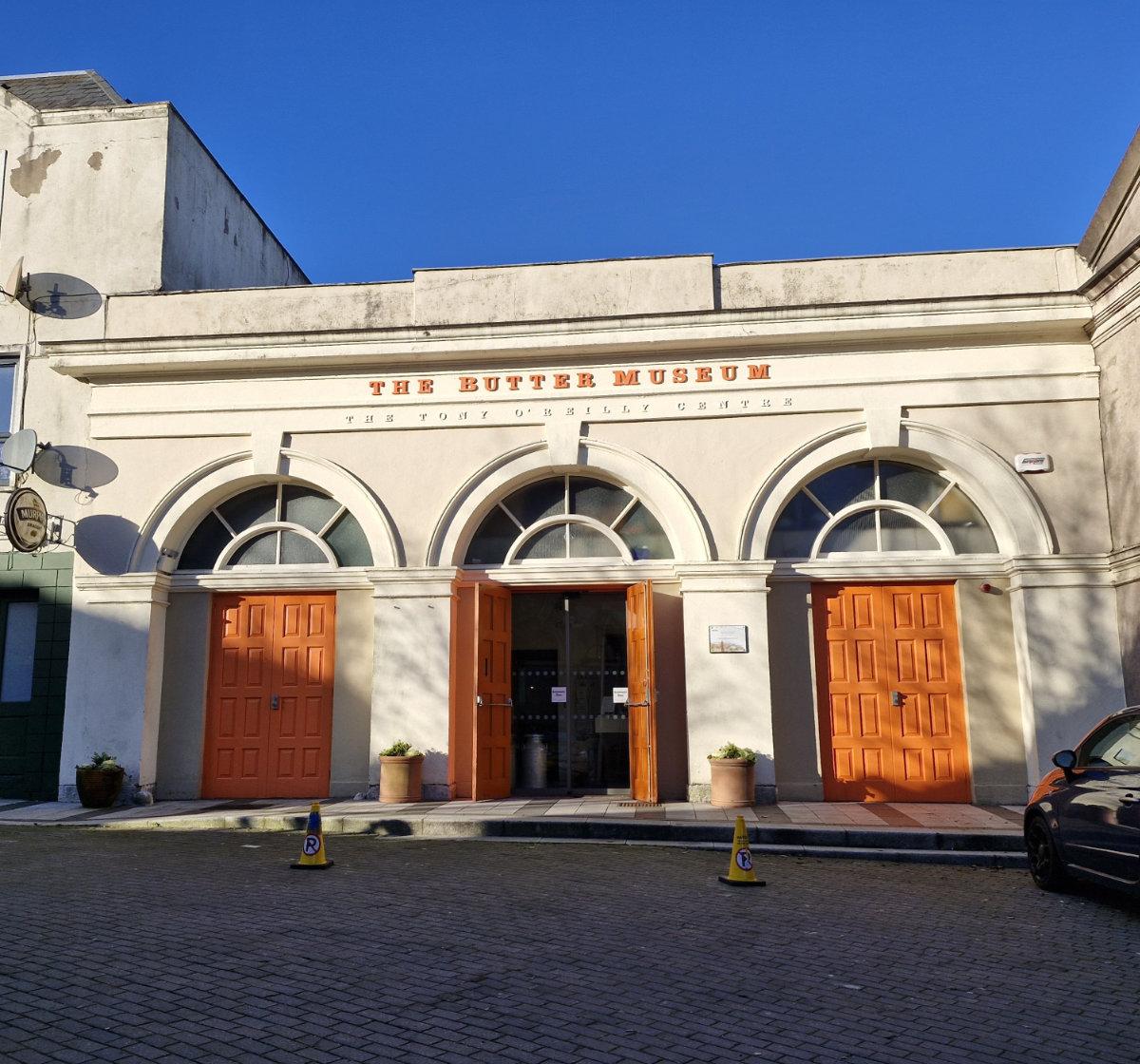
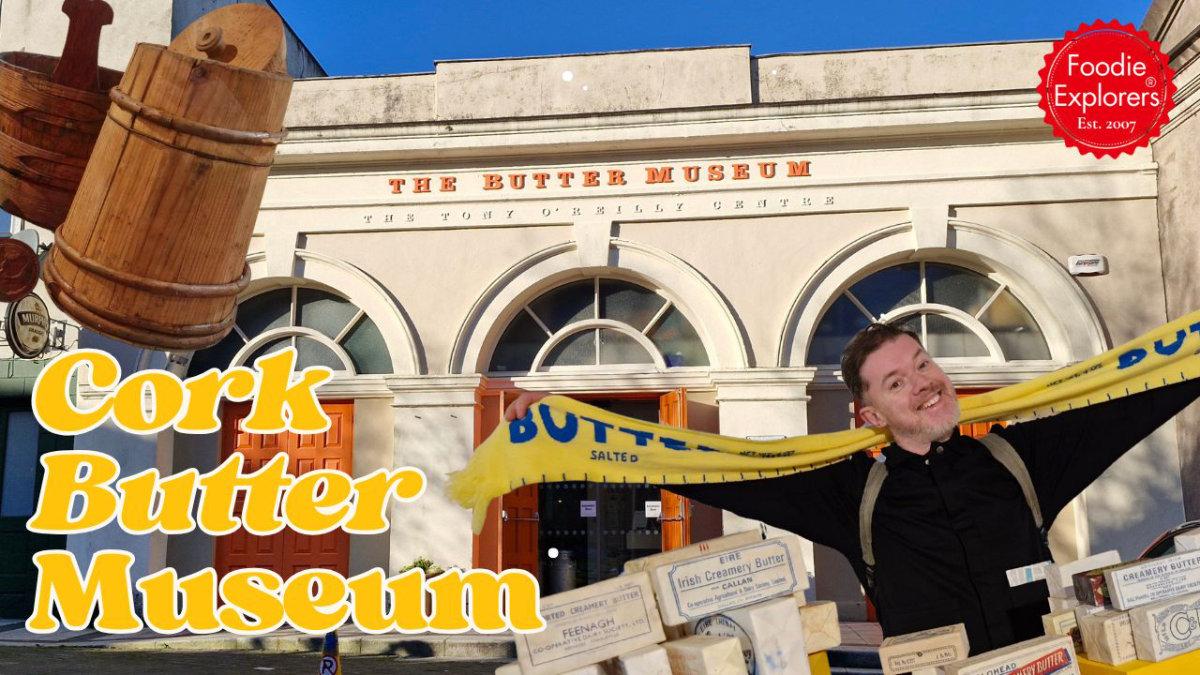
Located in the historic Shandon district of Cork City, The Butter Museum explores everything from traditional farmhouse butter-making and ancient bog butter to the enormous Cork Butter Exchange and the later success of Irish brands such as Kerrygold.
For food lovers in particular, it is one of Cork’s most distinctive attractions and an easy addition to a Cork food and drink itinerary.
https://www.foodieexplorers.co.uk/the-story-of-the-first-atm-in-the-world/
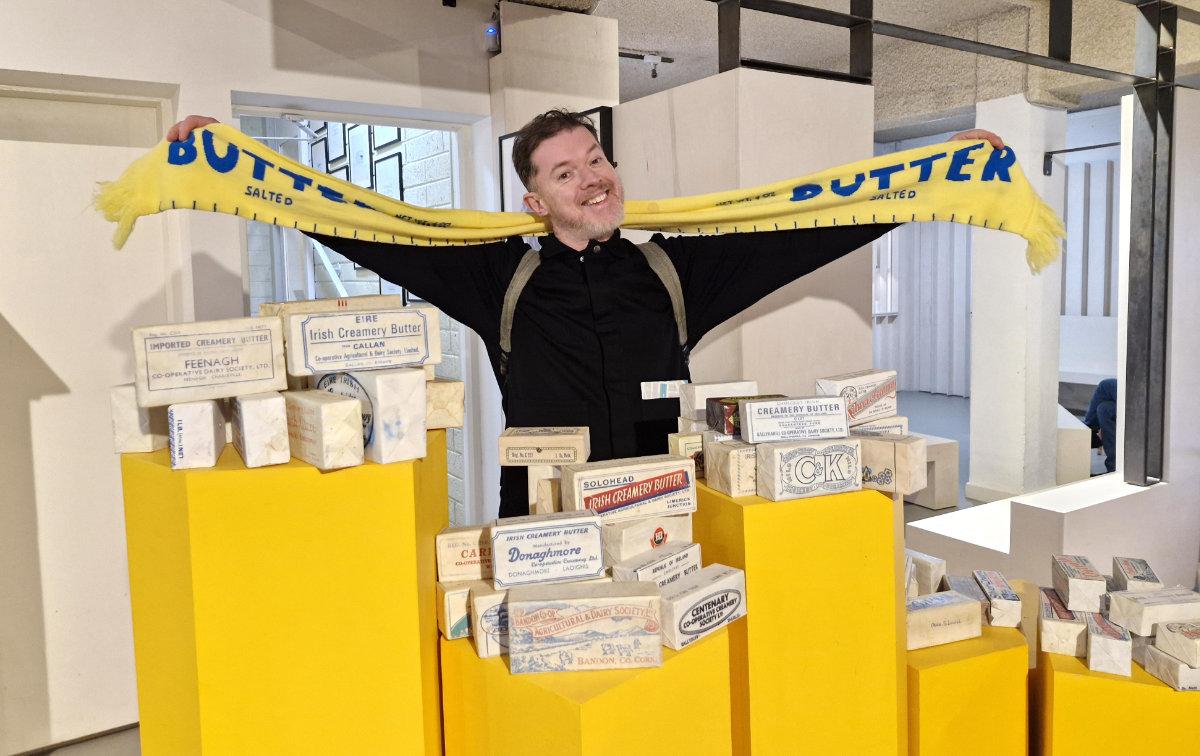
This guide covers how to visit The Butter Museum in Cork, including opening hours, ticket prices, butter-making demonstrations, accessibility, transport and what to see while you are there. You too can be as happy as Mark was when visiting!
Why is there a Butter Museum in Cork?
It makes much more sense when you discover just how important butter once was to Cork.
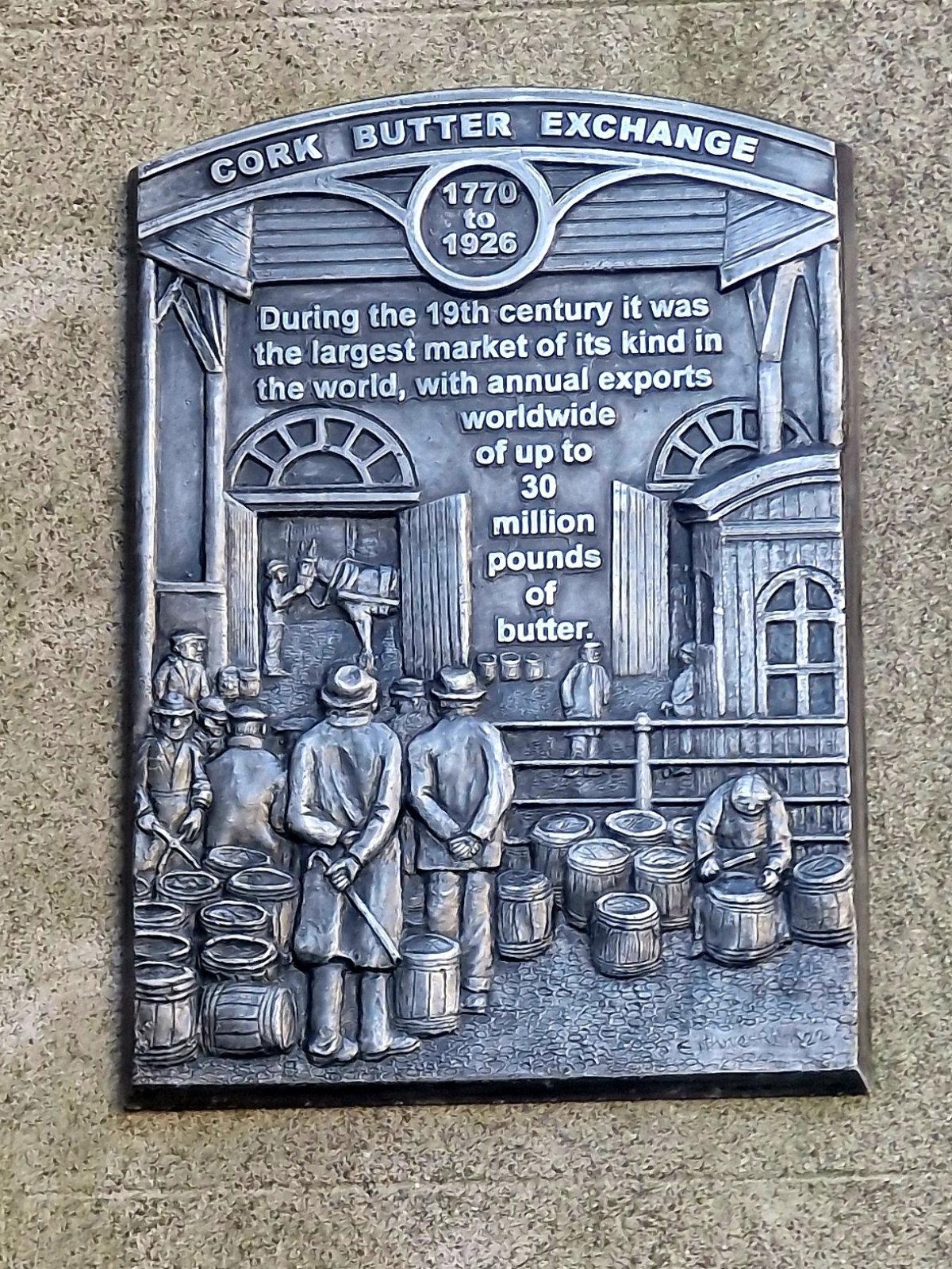
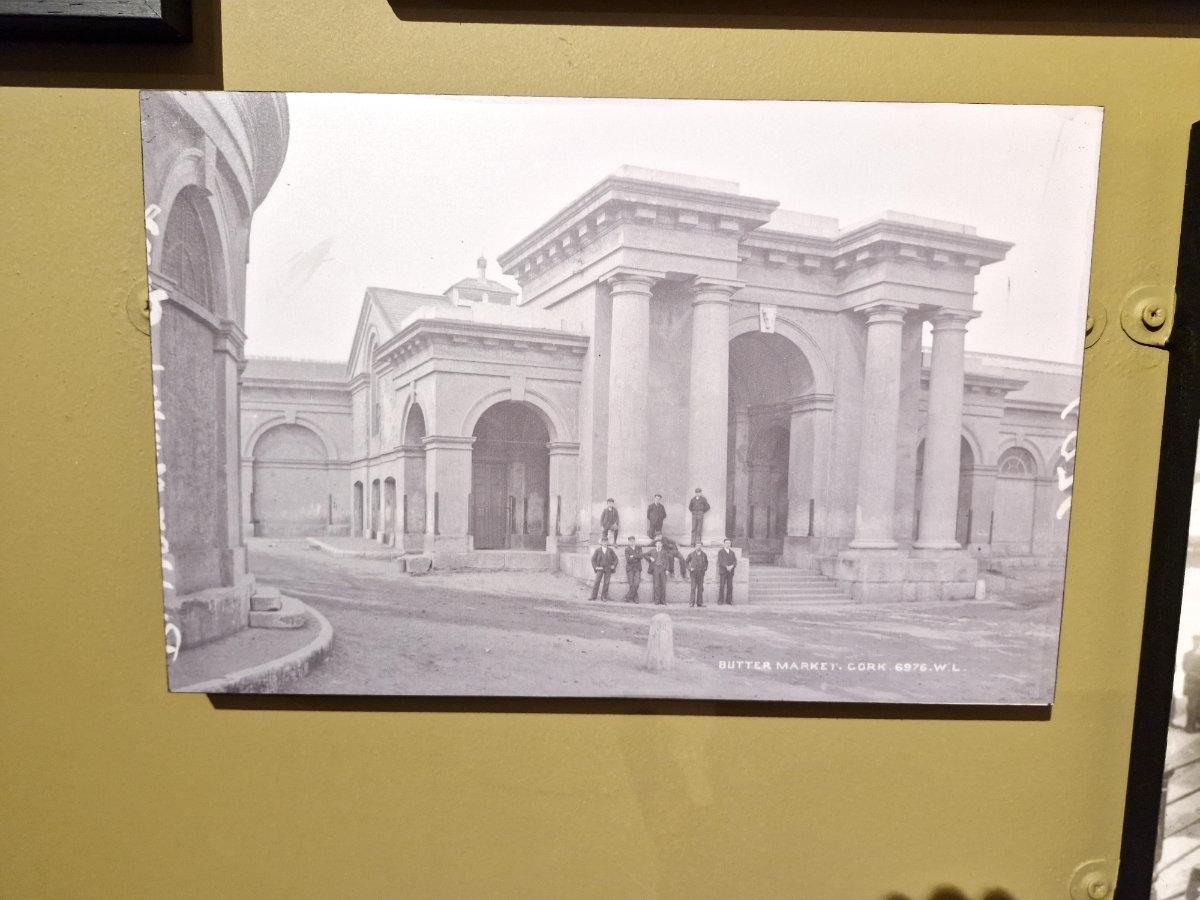
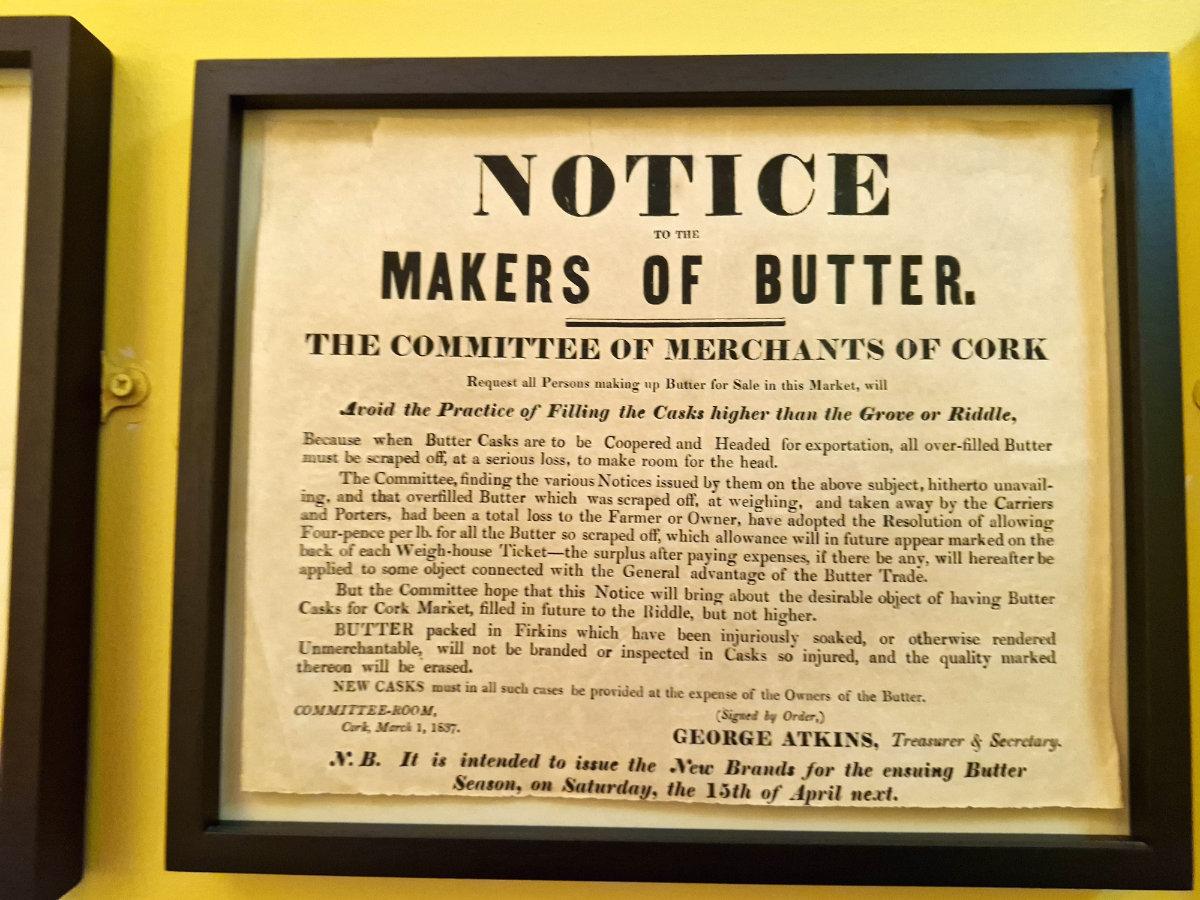
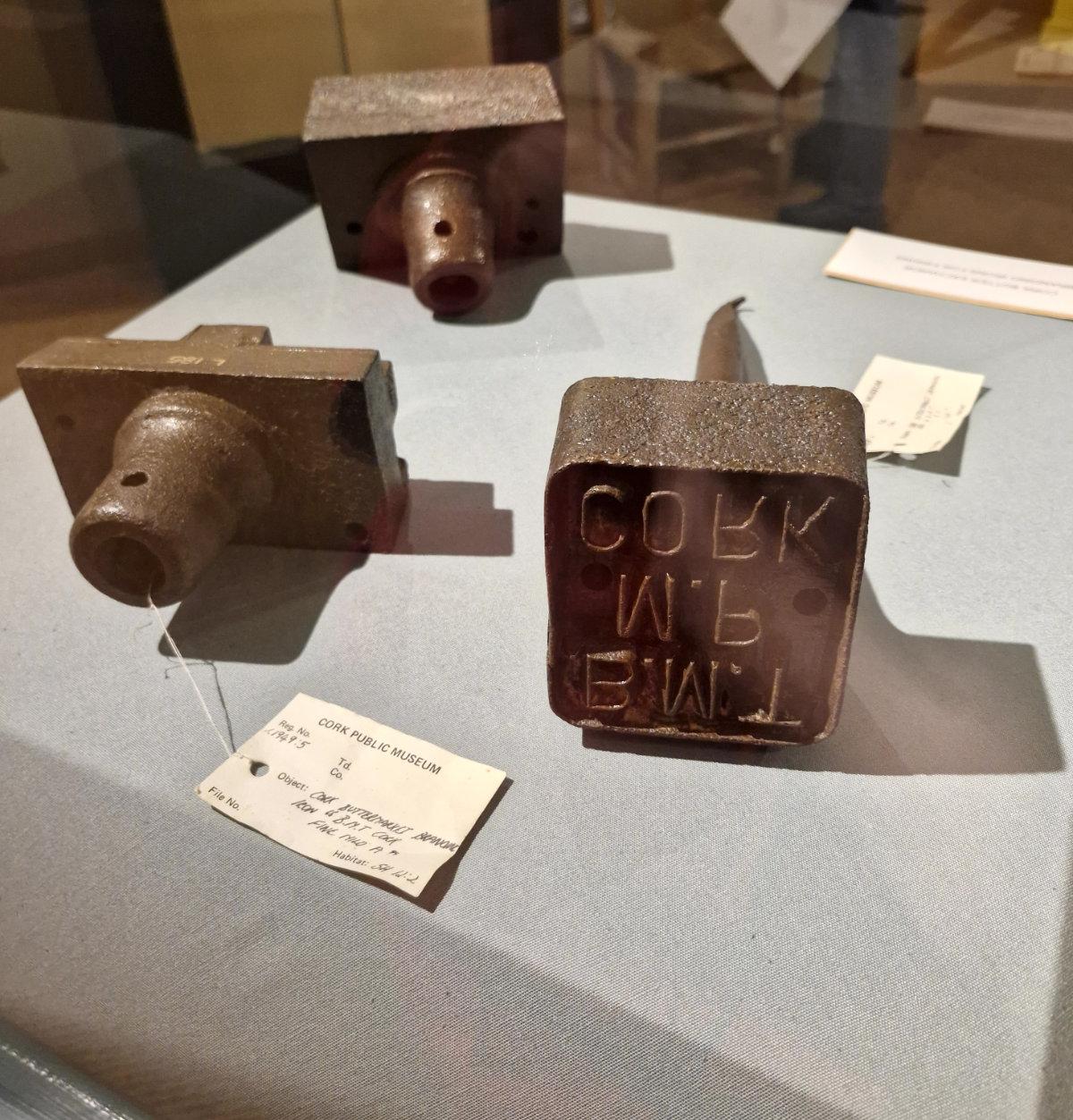
During the nineteenth century, the Cork Butter Exchange developed into an internationally important trading centre. At its peak in the early 1880s, approximately 440,000 firkins* of butter passed through the exchange. Butter handled in Cork was shipped to destinations around the world including the Caribbean, India and Australia.
*A firkin was the traditional wooden container used to store and transport butter.
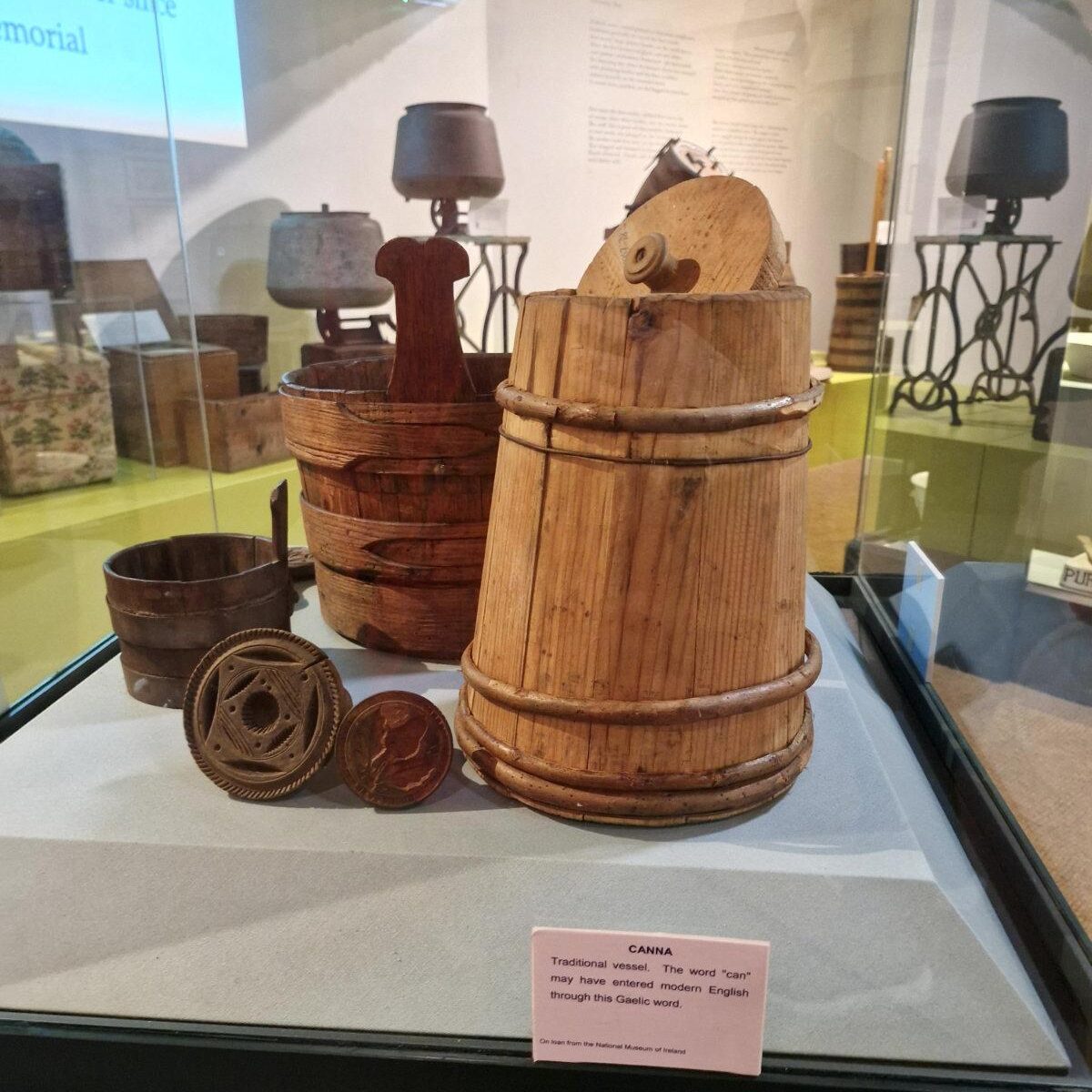
This was serious business. Butter wasn’t simply something spread on bread at breakfast; it was a valuable agricultural commodity supporting farmers, merchants, coopers, transport workers and exporters.
The museum puts that trade into its wider context, looking at Irish dairy farming, rural life, food preservation, butter-making and eventually the development of the modern Irish dairy industry.
What can you see inside The Butter Museum Cork?
Don’t expect endless galleries. The Butter Museum is relatively compact, but it manages to squeeze a remarkable amount of food history into its collection that is spread over two floors.
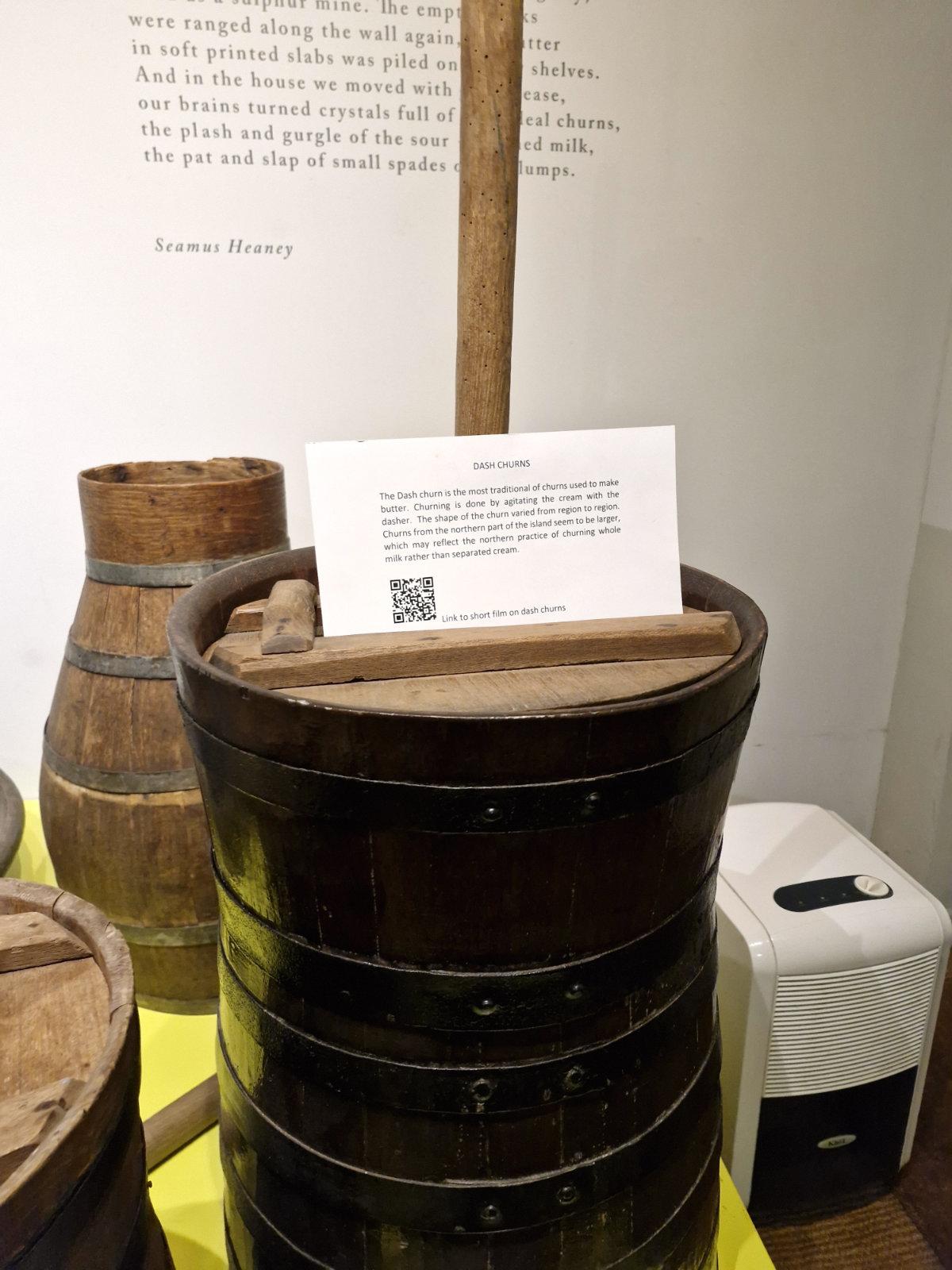
Discover the story of the Cork Butter Exchange
One of the most interesting sections explains how Cork became a major centre for trading butter.
The story incorporates the merchants, producers, transport networks and trading systems that grew around the Butter Exchange.
In an age long before refrigerated lorries and supermarket supply chains, producing something that could be graded, transported and sold over long distances required an impressive level of organisation.
The numbers involved were enormous: the museum records around 440,000 firkins passing through the exchange at its early-1880s peak.
It is one of those pieces of Cork history that makes you look at the surrounding Shandon streets rather differently afterwards.
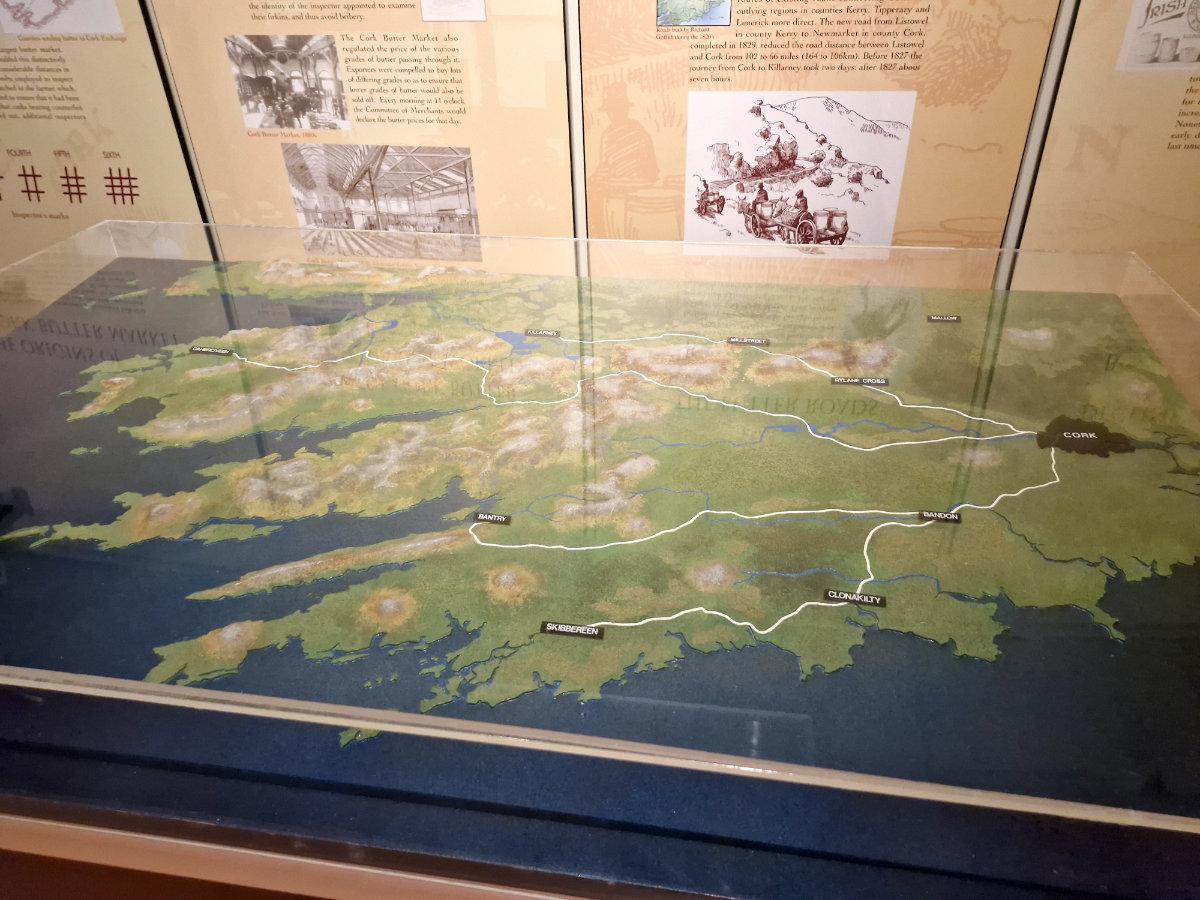
Traditional Irish butter-making
The museum also looks beyond international trade to explore how butter was traditionally made in Irish homes and farms.
Historic equipment and dairy-related objects help explain the journey from milk and cream to butter.
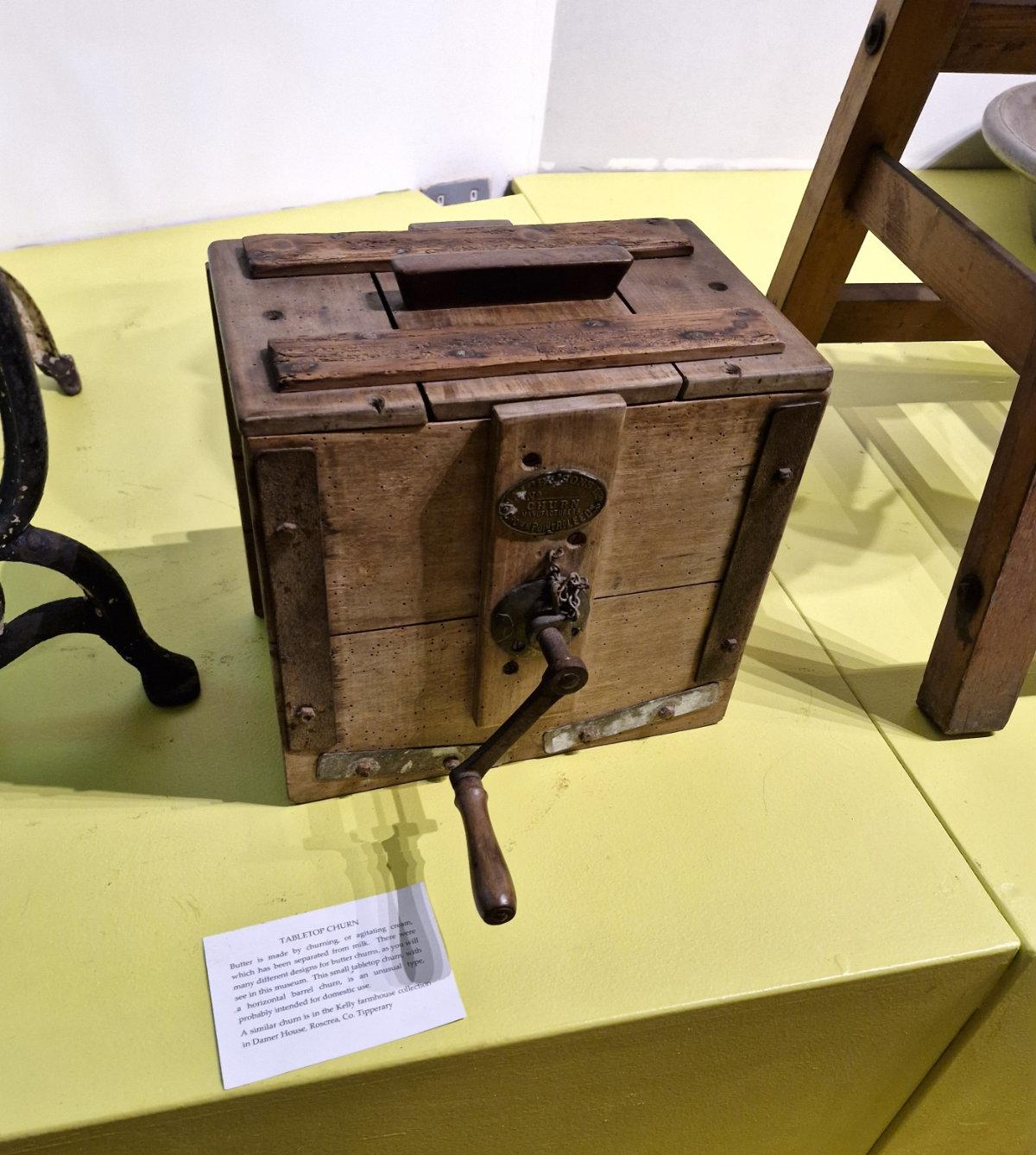
You’ll encounter the sort of butter churns, butter workers, containers and implements that were once everyday pieces of kitchen and farm equipment.
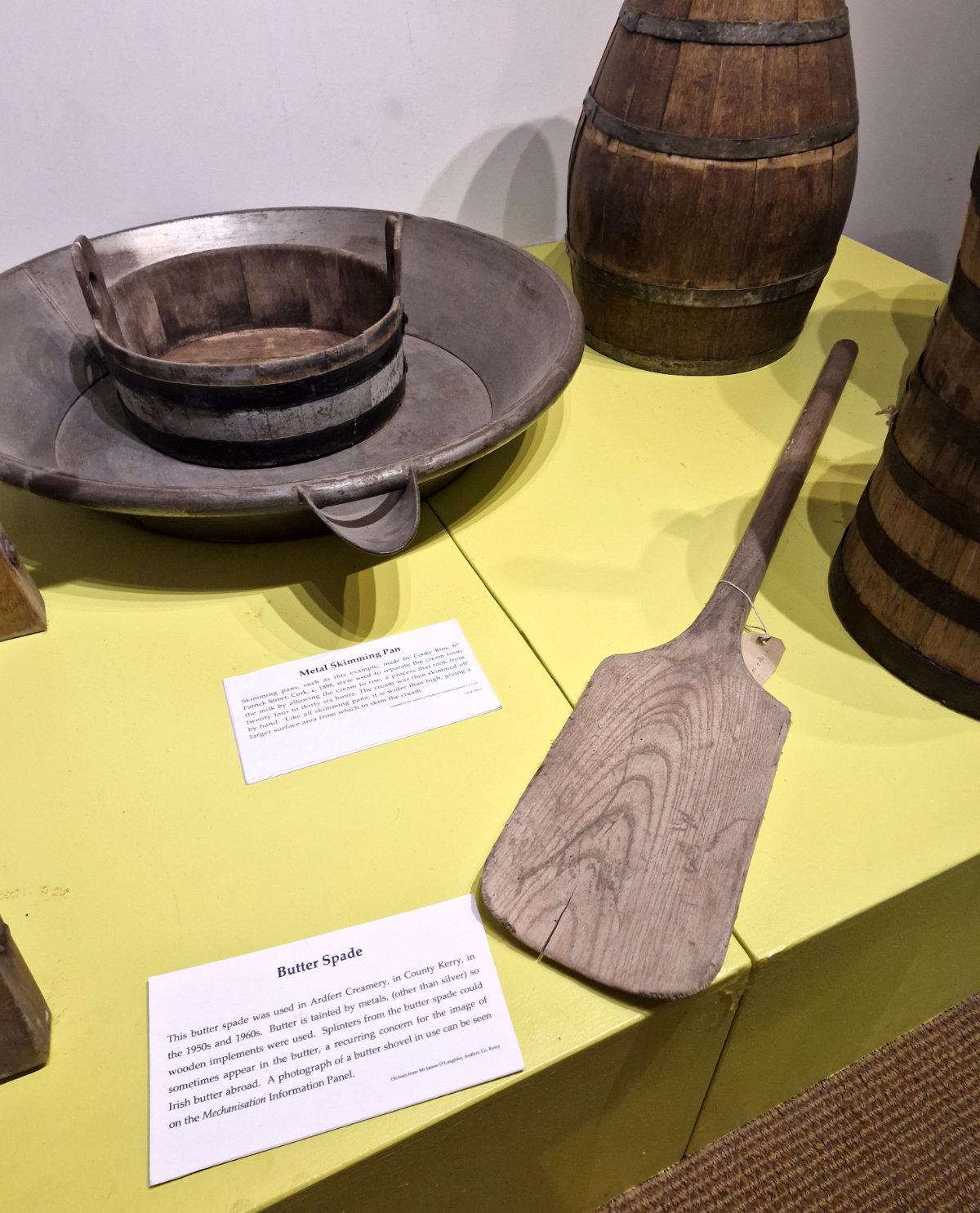
See 1,000-year-old bog butter
Yes, ancient butter really is a thing.
Among the museum’s more unusual exhibits is a container associated with roughly 1,000-year-old medieval bog butter.
Butter and other fats have repeatedly been discovered buried in Irish peat bogs. The cool, low-oxygen environment of a bog can have remarkable preservative qualities.
Whatever you expected to find on a city break in Cork, ancient butter probably wasn’t it.
And that’s precisely why we like places like this.
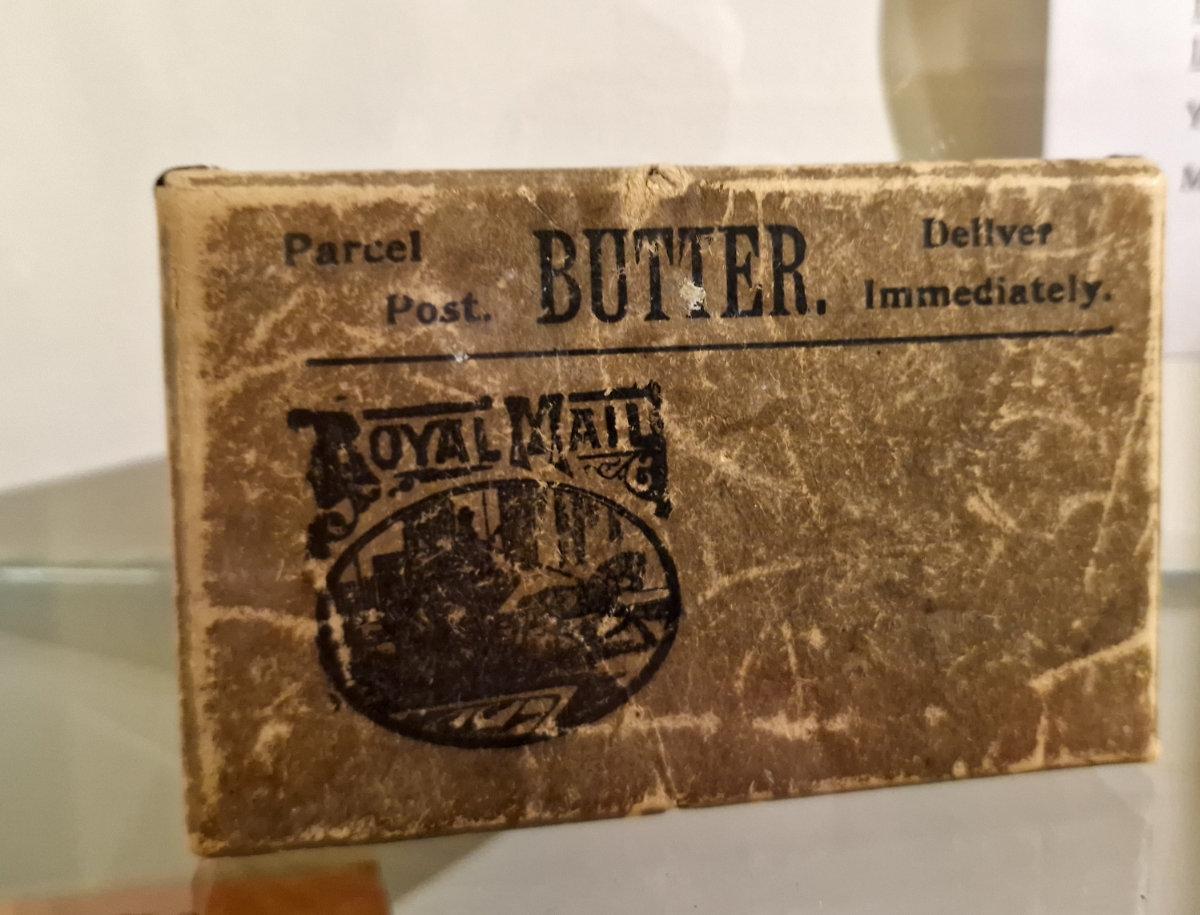
Vintage Irish butter wrappers
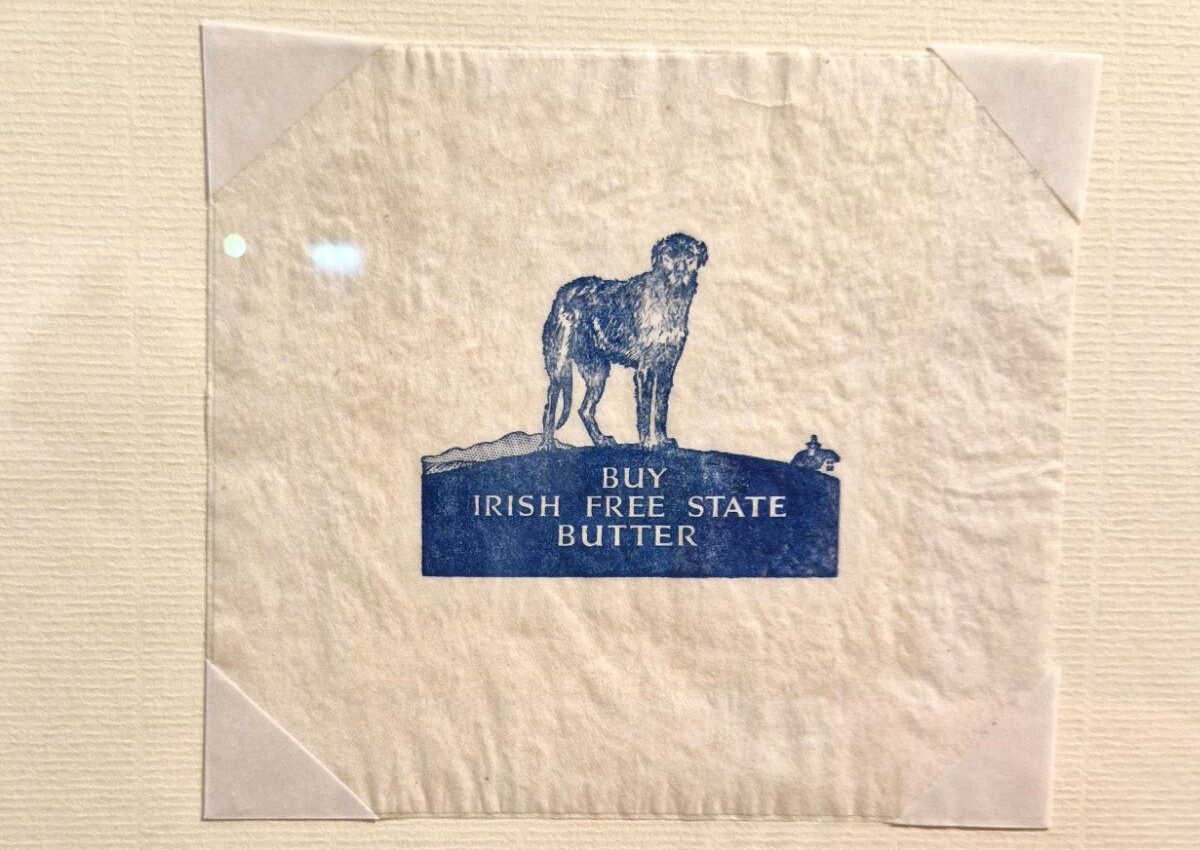
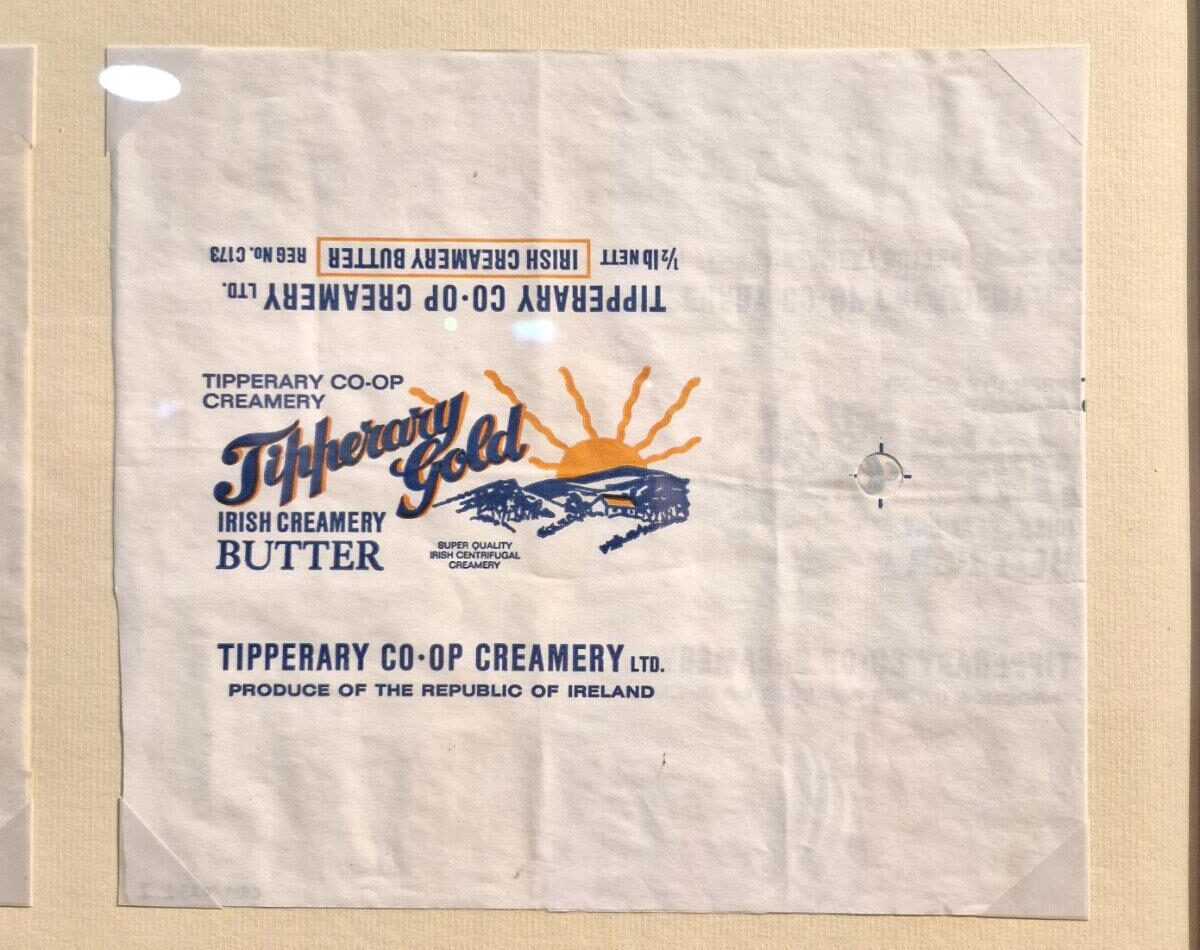
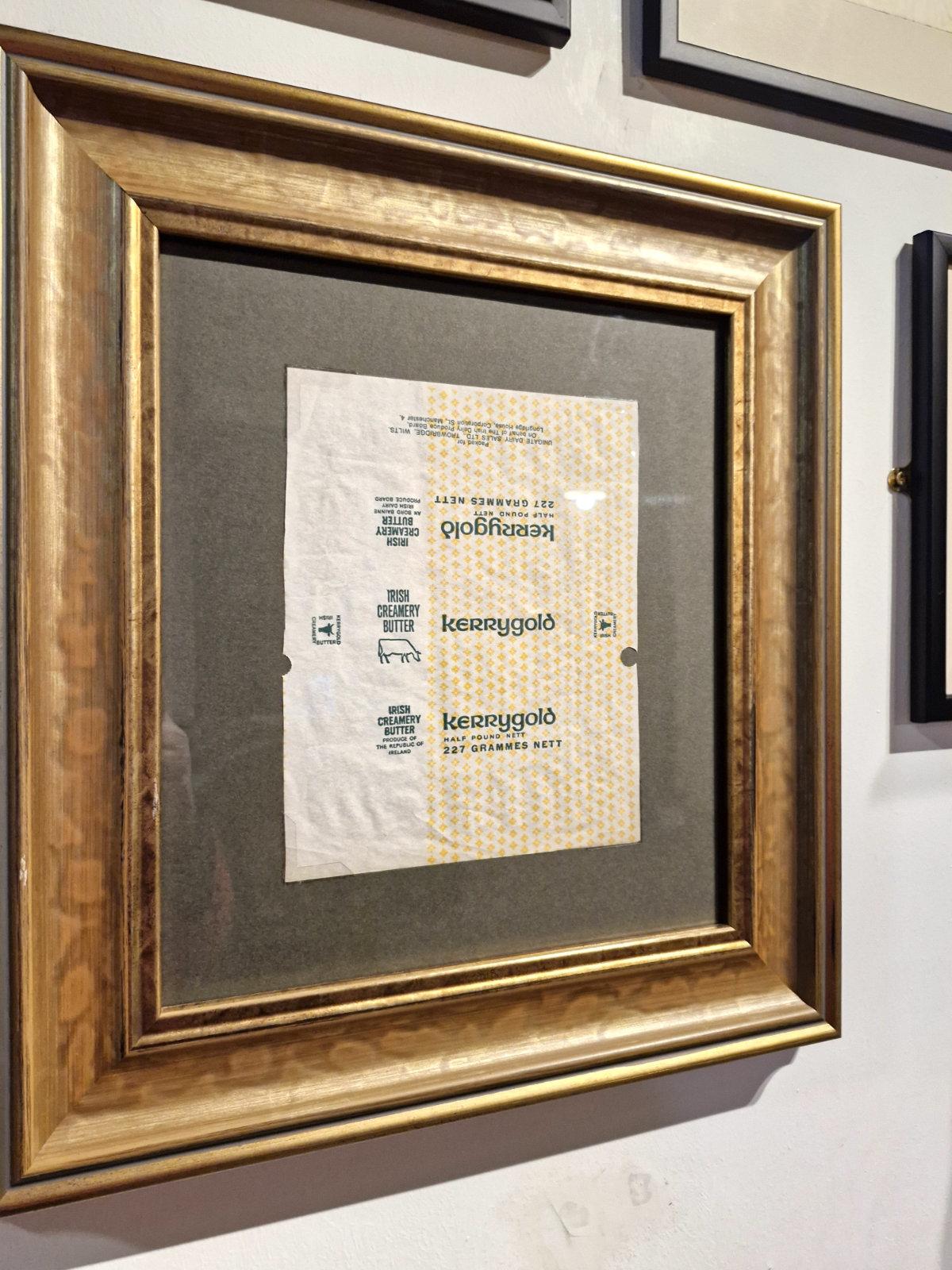
Packaging geeks should make time for the museum’s collection of old butter wrappers.
Before Ireland’s dairy industry became associated internationally with a small number of major brands, individual creameries sold butter under their own names and packaging. The museum preserves examples of this colourful graphic history.
It is an unexpectedly interesting glimpse into Irish advertising, design and regional food identity.
 The story of Kerrygold
The exhibitions then move into the modern era and explain the development of Ireland’s dairy industry and the success of Kerrygold.
The museum deliberately tells butter’s story as part of a much wider picture, linking Ireland’s domestic and agricultural traditions with its commercial history and modern food exports so you can follow the journey from farmhouse churns to an internationally recognised brand.
Butter-making demonstrations at The Butter Museum Cork
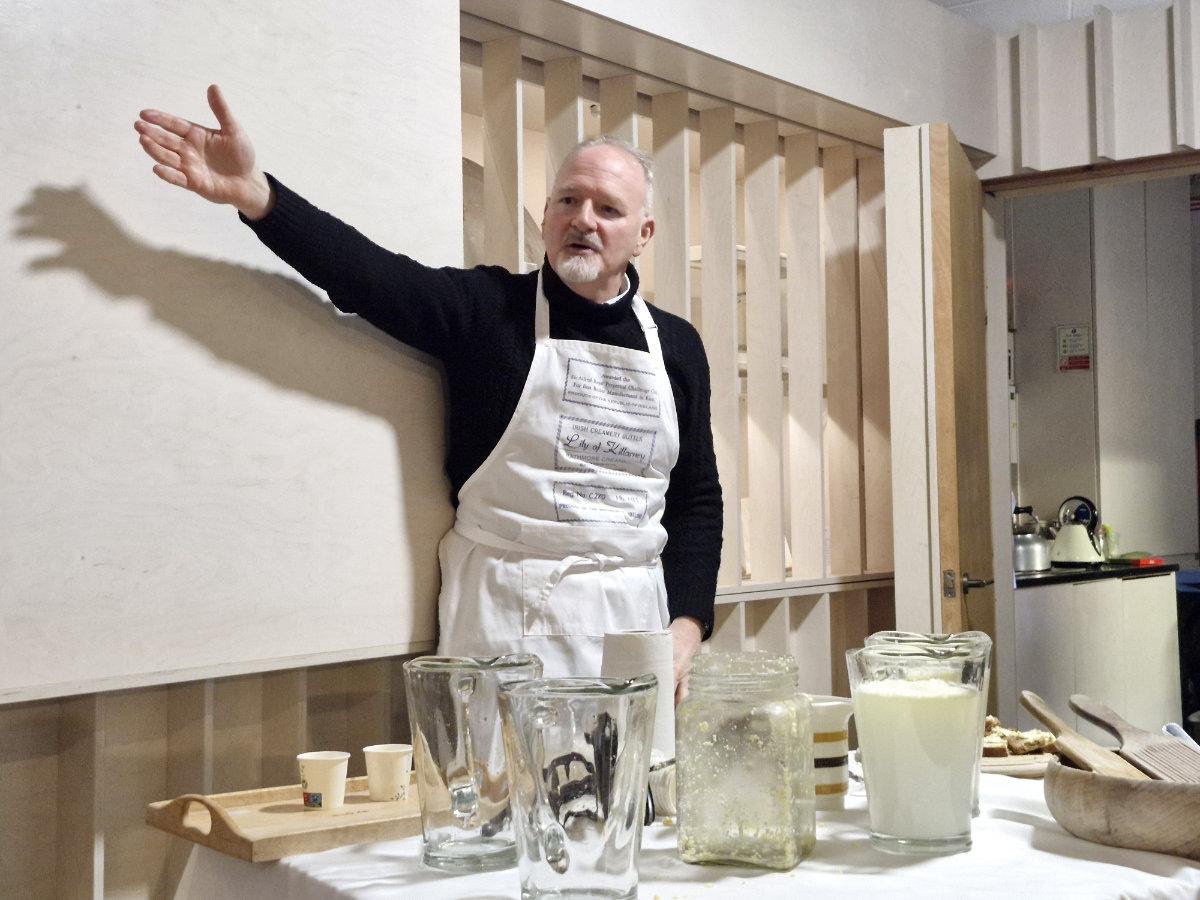
If your itinerary allows it, visit on a Wednesday or Saturday as the museum holds butter-making demonstrations at 12 noon on Wednesdays and Saturdays only.
These sessions are popular and capacity is limited. The museum says it can seat around 35 people for a demonstration and does not currently operate a separate advance-booking system for seats.
Tips for visiting The Butter Museum Cork
It’s well worth seeing how butter is made in front of your eyes, and you get to taste it afterwards, but don’t turn up at 11.58am expecting a seat. Arrive early on a Wednesday or Saturday, explore the galleries and treat the demonstration as the finale to your visit.
Combine it with Shandon area. Don’t make the hill climb for just one attraction — explore the surrounding historic quarter while you’re there.
Check seasonal opening days in advance. Winter opening is much more limited than summer so it pays to check before walking up the hill to Shandon!
The Butter Museum Cork opening hours
January and February
Saturday: 10am–4pm
Sunday: 11am–4pm
Closed Monday to Friday.
March and April
Wednesday to Saturday: 10am–4pm
Sunday: 11am–4pm
Closed Monday and Tuesday.
May to October
Monday to Saturday: 10am–4pm
Sunday: 11am–4pm
November and December
Wednesday to Saturday: 10am–4pm
Sunday: 11am–4pm
Closed Monday and Tuesday.
The museum currently opens on Bank Holiday Mondays from 11am–4pm.
Opening arrangements can change for events and holidays, so check the museum’s official information shortly before travelling.
How much are tickets for The Butter Museum Cork?
Current general admission prices are:
– Adults – €5
– Students, seniors and concessions – €4
– Children – €2
– Children under 12 – free when visiting in a family group
– Groups of 10 or more – contact the museum in advance
How long do you need at The Butter Museum Cork?
We would allow 45 minutes* for a regular visit. Add an extra 30 – 45 minutes if you’re attending a butter making demonstration. Note that there is also a small gift shop with butter-themed gifts.
*If you’re the sort of person who reads every display — hello, fellow museum nerd — allow a little longer.
On demonstration days, arriving at about 11am gives you time to explore before the scheduled noon session, which is also the museum’s own recommendation.
This makes The Butter Museum especially useful when putting together a half-day Cork City itinerary rather than requiring an entire morning or afternoon.
How to get to The Butter Museum Cork
The museum is in O’Connell Square in the Shandon district, on the north side of the River Lee. It is an elevated part of Cork, so be prepared for an uphill section if you are walking from the city centre.
Walking from Cork City Centre
Walking is one of the easiest ways to reach the museum.
From the central shopping and restaurant areas, head north across the River Lee and climb towards Shandon.
The reward for the uphill walk is that several of Cork’s historic attractions are grouped around this part of the city.
By bus
Bus Éireann’s Route 202 runs through central Cork via Merchants Quay and serves Upper John Street, making it useful for reaching the Shandon area.
Check live journey information before travelling, as city routes and timetables can change.
Cork open-top sightseeing bus
The museum states that it is also a stop on the Cork Open Top Bus Tour, which can be a convenient option if you’re combining several Cork attractions in one day.
Driving and parking
There is no large dedicated museum car park. The museum advises that on-street parking is available nearby and parking discs are available from the museum.
Unless you specifically need a car, exploring central Cork on foot or by public transport is generally simpler.
Is The Butter Museum Cork wheelchair accessible?
The museum states that it is fully wheelchair accessible, with no steps and a visitor lift.
Is The Butter Museum suitable for children?
Yes. The museum describes itself as child-friendly and includes material specifically aimed at younger visitors.
The subject matter is also more child-friendly than it might initially sound. Churns, old packaging, dairy equipment and the sheer oddity of seeing ancient bog butter can make the story much easier to engage with than a museum made entirely from text panels.
The free admission for under-12s visiting within a family group is another bonus.
Things to do near The Butter Museum Cork
One advantage of visiting is its location in the historic Shandon quarter.
Shandon Bells and St Anne’s Church
Combine the Butter Museum with St Anne’s Church and the famous Shandon Bells.
The church tower is one of Cork’s best-known landmarks and makes a natural partner to the museum when exploring this side of the city.
The English Market
Foodies should make sure The English Market is also on the itinerary.
Pairing the Butter Museum with Cork’s famous covered food market turns the day into a mini exploration of the city’s food history — first discovering how one of Ireland’s biggest food industries developed and then seeing modern Cork’s food culture in action.
Cork City Gaol
If you want to continue exploring Cork’s social history, add Cork City Gaol later in the day.
It is slightly further west and works particularly well if you have most of a day to explore Cork on foot.
Firkin Crane
Keep an eye out for the Firkin Crane while exploring Shandon.
Its name is another reminder of the area’s butter-trading history: firkins were containers used for butter, while the crane was connected with weighing them.
A Foodie Explorers half-day Cork itinerary
For a food-and-history themed morning in Cork, we’d plan it like this:
10.00am – Explore Cork city centre
Start with coffee before heading north towards Shandon.
11.00am – The Butter Museum
If visiting on Wednesday or Saturday, arriving around this time gives you a chance to explore before the butter-making demonstration.
12.00pm – Butter-making demonstration
Watch one of the museum’s scheduled demonstrations.
Afterwards – Shandon Bells
Explore the historic Shandon neighbourhood before walking back towards the river.
Late lunch – The English Market
Finish with a wander around Cork’s famous food market, where there are a variety of stalls.
For anyone visiting Cork primarily for its food scene, that’s a particularly satisfying morning!
Is The Butter Museum Cork worth visiting?
Yes, particularly if you enjoy food history and unusual museums.
Don’t come expecting the scale of a national museum. This is a small specialist attraction and that’s part of its charm.
What makes it worthwhile is the story it tells. Butter becomes a way of exploring rural Ireland, farming, domestic life, food preservation, international trade, graphic design and the development of modern Irish food brands.
And there aren’t many city breaks where you can casually announce over dinner that you spent the morning inspecting 1,000-year-old butter!
Where is The Butter Museum Cork?
O’Connell Square, Shandon, Cork, T23 H004, Ireland.
Frequently asked questions about visiting The Butter Museum Cork
Where is The Butter Museum in Cork?
The Butter Museum is at O’Connell Square, Shandon, Cork T23 H004, Ireland.
How much does The Butter Museum Cork cost?
Current admission is €5 for adults, €4 for students/seniors/concessions and €2 for children. Children under 12 are admitted free when visiting as part of a family group.
When are the butter-making demonstrations in Cork?
The museum currently holds butter-making demonstrations at 12 noon on Wednesdays and Saturdays.
Do you need to book The Butter Museum Cork?
General admission tickets can be booked in advance online. The butter-making demonstrations themselves have limited seating and cannot currently be separately pre-booked, so arriving early is recommended.
How long does The Butter Museum Cork take?
Allow approximately 45 minutes to one hour, or 90 minutes if you attend a butter-making demonstration.
Is The Butter Museum good for a rainy day in Cork?
Definitely. It is an indoor attraction and its fairly compact size means it is easy to combine with other Cork museums, markets and historic sights.
Is The Butter Museum Cork suitable for children?
Yes. The museum describes itself as child-friendly and offers children’s material, while children under 12 visiting as part of a family group currently receive free admission.
Is The Butter Museum Cork wheelchair accessible?
The museum has step-free access and a visitor lift. It advises, however, that it does not currently have a large-format wheelchair-accessible bathroom.
What is the most unusual exhibit?
The approximately 1,000-year-old bog butter has to be a contender.
Final thoughts
The Butter Museum is exactly the sort of attraction we love discovering on a city break: quirky enough to make you curious but with far more history behind it than the name initially suggests.
A visit reveals how a seemingly humble food helped shape Cork’s economy and connected rural Irish producers to an international trading network.
Add in ancient bog butter, vintage packaging, traditional churns and live butter-making demonstrations and you have one of the most unusual places to visit in Cork City.
For foodies exploring Cork, it deserves a place alongside The English Market and the city’s restaurants, pubs and cafés.