
The Story of the First ATM in the World
Imagine a world where getting cash meant rushing to the bank before closing time. No late-night withdrawals, no airport cash machines, and certainly no contactless banking apps. Before the arrival of the ATM, accessing your money required careful planning.
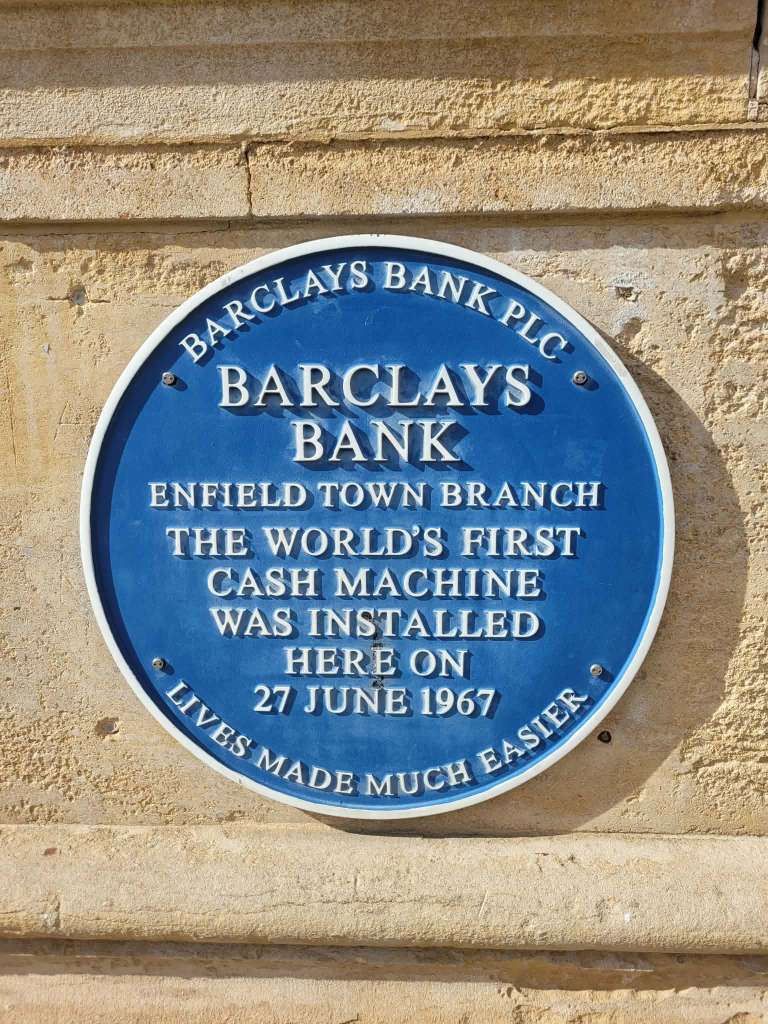
That all changed in 1967, when the world’s first ATM was installed outside a branch of Barclays Bank in Enfield, North London. What seemed like a futuristic idea at the time would go on to transform banking forever.
Today, the humble cash machine is such a normal part of everyday life that it’s easy to forget just how revolutionary it once was.
Where Was The First ATM Installed?
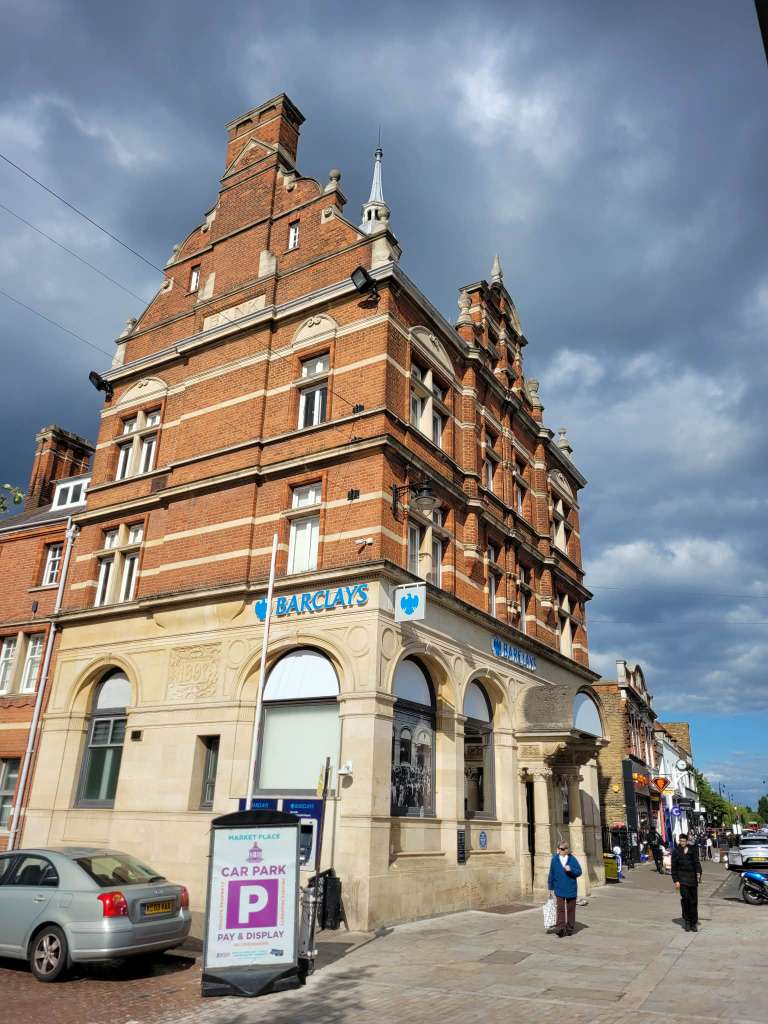
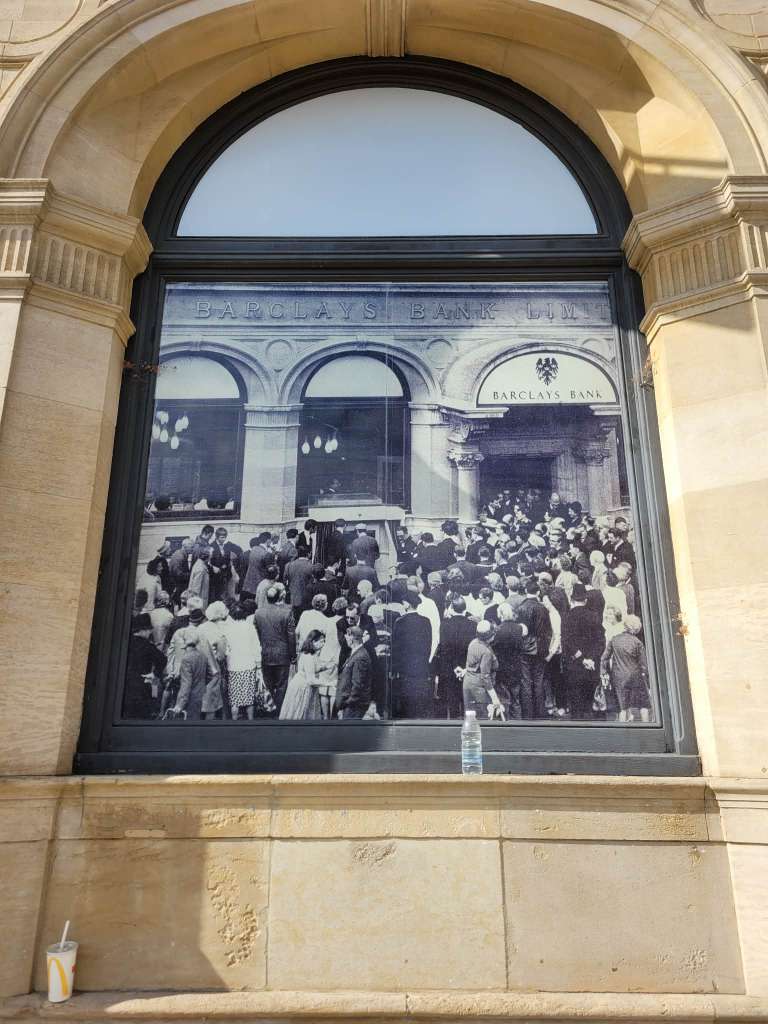
The first ATM in the world was unveiled on 27 June 1967 outside a branch of Barclays Bank in Enfield, North London. The launch became a major media event, with actor and comedian Reg Varney – best known for TV sitcom On The Buses – becoming the first person to officially withdraw cash from the machine.
Barclays Bank, 20 The Town, Enfield
At the time, the machine was unlike anything customers had seen before. Instead of using debit cards, users inserted specially issued paper vouchers which the machine exchanged for cash.
Who Invented The ATM?
The ATM is widely credited to Scottish inventor John Shepherd-Barron, who reportedly came up with the idea while sitting in the bath after missing his bank’s opening hours. Inspired by chocolate vending machines, he wondered why cash could not also be dispensed automatically. His invention would go on to completely reshape banking worldwide. Interestingly, Shepherd-Barron originally proposed six-digit PIN numbers. However, his wife Caroline suggested that four digits would be easier to remember, creating the modern PIN system still used today.
How Did The First ATM Work?
The original ATM looked very different from modern cash machines. Customers used single-use paper cheques impregnated with a mildly radioactive substance, which allowed the machine to identify them securely. Once recognised, users entered their PIN and could withdraw a fixed amount of cash. Compared to today’s touchscreen machines and mobile banking apps, the system sounds primitive, but in 1967 it was cutting-edge technology.
Why The ATM Changed Banking Forever
Before ATMs, banking was limited to branch opening hours. Payday often meant long queues, and customers had to ensure they withdrew enough cash before weekends or holidays. The ATM introduced something completely new: 24-hour access to money.
As cash machines spread across the UK during the 1970s and 1980s, they changed everyday life. Eventually ATMs evolved to provide balance checks, mini statements, transfers, deposits, and international withdrawals. Today there are millions of ATMs worldwide, even as digital banking and contactless payments continue to grow.
Interesting Facts About The First ATM
- The first ATM was installed in Enfield, North London
- It opened on 27 June 1967
- Actor Reg Varney was the first customer
- The machine used paper vouchers instead of bank cards
- The four-digit PIN originated from the invention
- The ATM concept was inspired by vending machines
- The original machine dispensed a maximum of £10
FAQ About The First ATM
Where was the first ATM in the world?
The first ATM in the world was installed at a Barclays Bank branch in Enfield, North London.
When was the first ATM installed?
The first ATM was unveiled on 27 June 1967.
Who invented the ATM?
The ATM is widely credited to Scottish inventor John Shepherd-Barron.
How did the first ATM work?
Customers inserted paper vouchers into the machine and entered a PIN to withdraw cash.
Who was the first person to use an ATM?
Actor Reg Varney became the first person to use the ATM during its launch event.






Be the first to comment