Regent Bridge Edinburgh: The Hidden History Beneath Waterloo Place
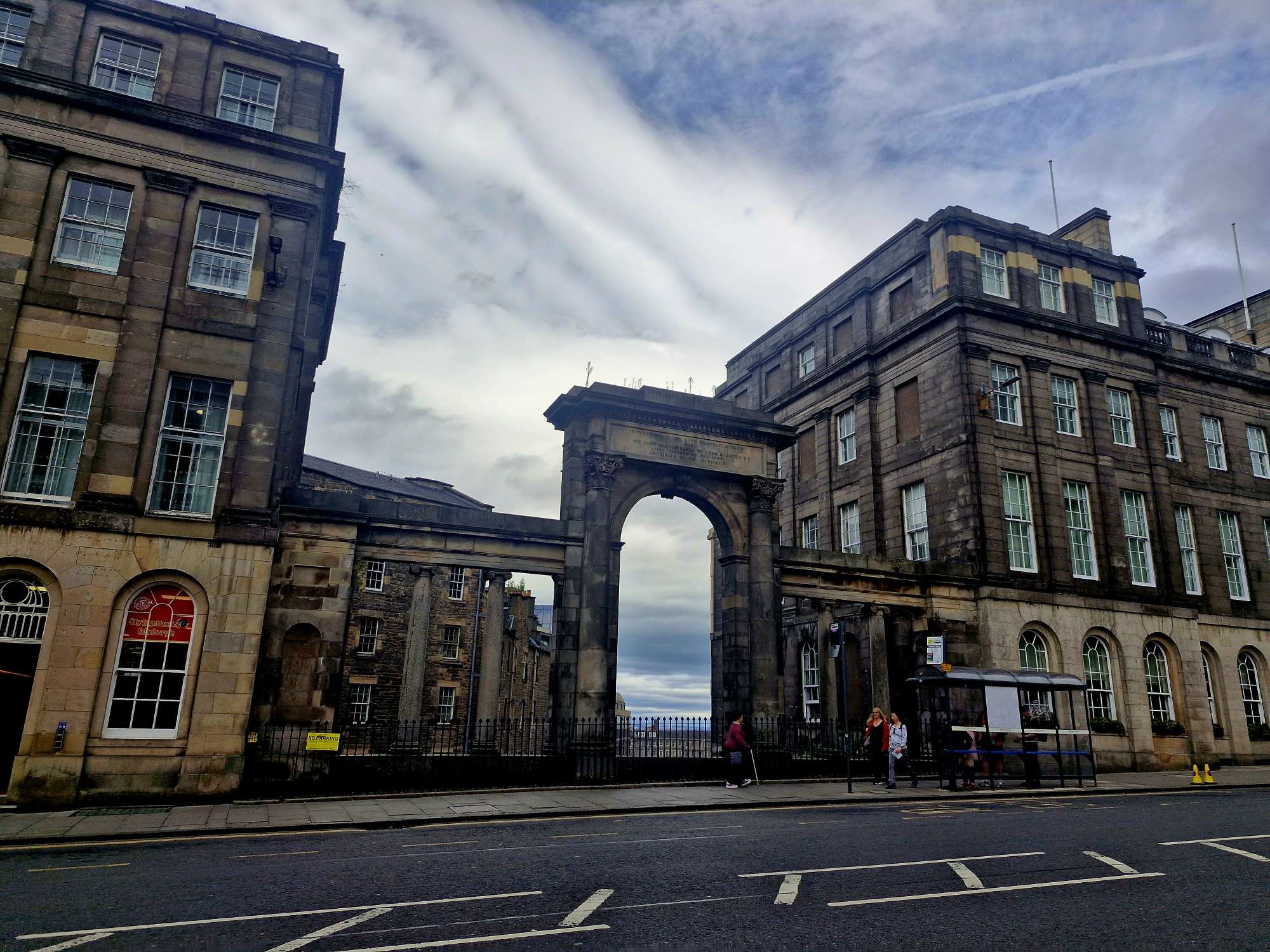
Regent Bridge Edinburgh: the grand bridge most visitors walk over without noticing
Edinburgh is packed with famous monuments, hidden closes and wonderfully odd corners, but some of the city’s most interesting sights are hiding in plain sight. Regent Bridge in Edinburgh is a perfect example.
Thousands of people walk along Waterloo Place between Princes Street and Calton Hill without realising they are crossing an impressive 19th-century stone bridge. Head down to Calton Road, however, and the scale of the structure suddenly becomes obvious.
Built as part of an ambitious plan to create a grand new eastern entrance to Edinburgh, Regent Bridge comes with royal connections, displaced graves, triumphal arches and a rather clever piece of Georgian town planning. It is exactly the sort of easily overlooked place we love for our Quirky section.
What is Regent Bridge in Edinburgh?
Regent Bridge carries Waterloo Place over Calton Road, close to the eastern end of Princes Street and the foot of Calton Hill.
From Waterloo Place, you could easily fail to notice that there is a bridge here at all. The road feels like a normal continuation of Edinburgh’s New Town. Viewed from below on Calton Road, it is a completely different story.
The huge semicircular stone arch rises above the street, while classical screens, columns and decorative arches make the whole structure feel much more ceremonial than your average road bridge.
Regent Bridge was designed by architect Archibald Elliot, working with renowned Scottish civil engineer Robert Stevenson, and dates from 1815–1819. Stevenson was part of Scotland’s famous lighthouse-building dynasty and was the grandfather of author Robert Louis Stevenson.
Why was Regent Bridge built?
At the beginning of the 19th century, getting from the eastern end of Princes Street towards Calton Hill was considerably more awkward than it is today.
A deep ravine known as Low Calton lay between the New Town and Calton Hill. Plans for a better route had been discussed as early as 1790, but the cost, existing buildings and the awkward problem of the nearby burial ground made the project difficult.
By the 1810s, development around Calton Hill and plans for a new national gaol made a better road increasingly important.
The answer was Regent Bridge: an impressive new crossing approximately 50 feet high, allowing a direct route eastwards from Princes Street. The wider scheme created Waterloo Place and what Historic Environment Scotland describes as an important grand entrance to Princes Street from the east.
A bridge with a royal opening
There is a suitably regal story behind the bridge too.
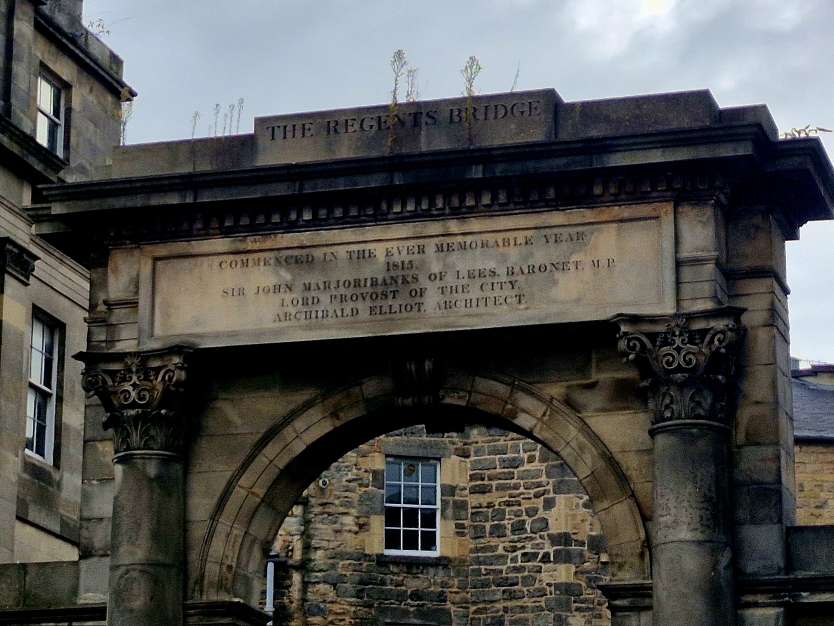
Its ornate stone screens were designed in the style of a triumphal gateway and commemorate the Battle of Waterloo. Look closely at the inscriptions and you can trace part of the bridge’s history.
One records that the project began in the memorable year 1815, the year of the Battle of Waterloo. Another records that the bridge was officially opened on 18 August 1819 for the entry of Prince Leopold of Saxe-Coburg into Edinburgh.
Leopold would later become the first King of the Belgians. So while Regent Bridge served a very practical purpose, Edinburgh wasn’t about to settle for a plain old road crossing.
The cemetery that Regent Bridge cut in two
This is where the story becomes considerably more unusual.
Building Waterloo Place meant cutting through part of the Old Calton Burial Ground.
The new road sliced through the existing cemetery, and human remains disturbed during construction were moved to the New Calton Burial Ground farther east.
How to visit Regent Bridge Edinburgh
Address: Waterloo Place, Edinburgh EH8
Nearest railway station: Edinburgh Waverley
Nearest major landmark: Calton Hill
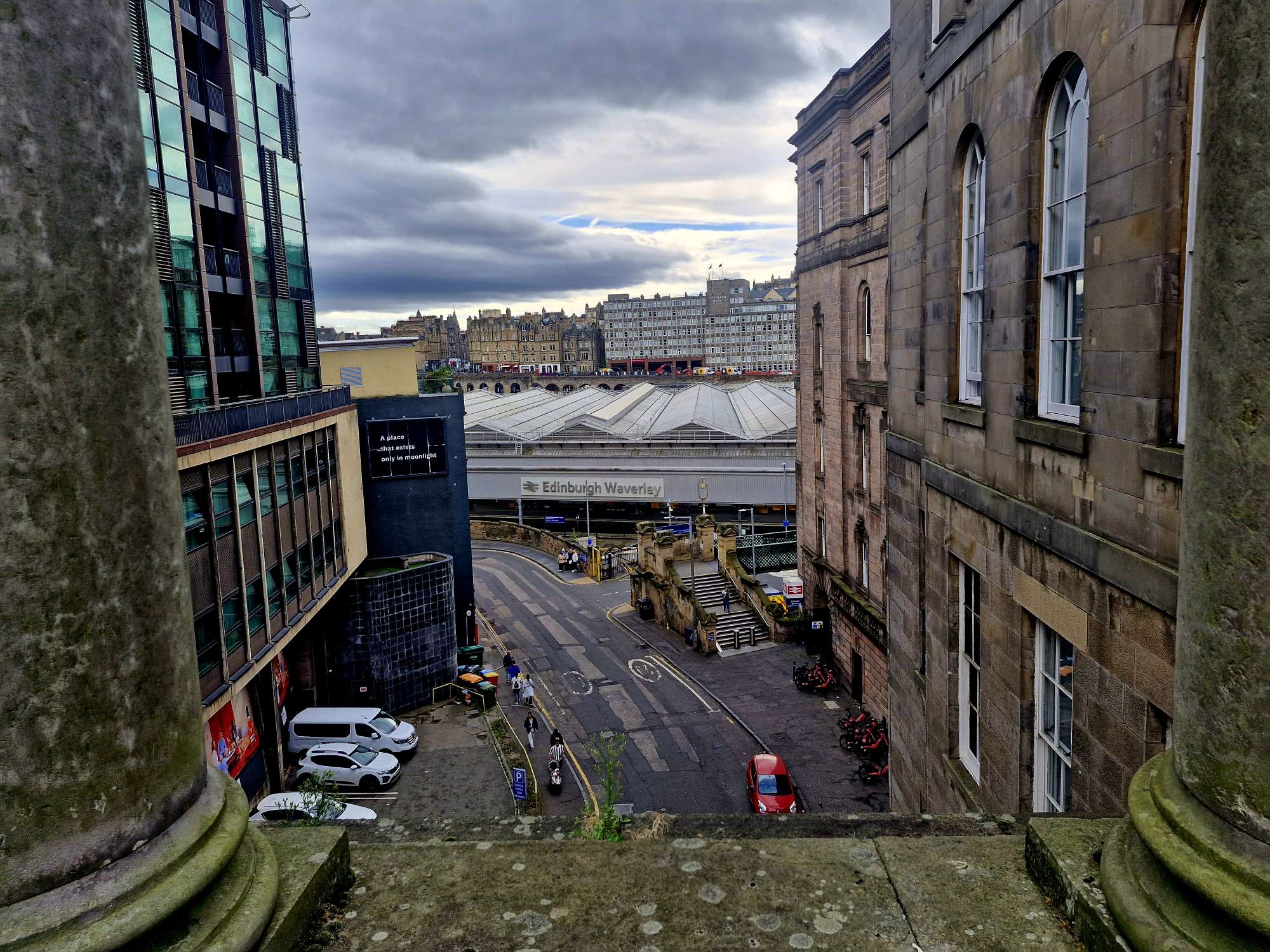
Regent Bridge is only a few minutes’ walk from Edinburgh Waverley Station.
From the east end of Princes Street, continue along Waterloo Place towards Calton Hill. You will actually cross the bridge without necessarily noticing it.

Make it part of a quirky Edinburgh walk
Regent Bridge works particularly well as a quick stop while exploring the east end of Edinburgh city centre.
Combine it with Old Calton Burial Ground – explore one of Edinburgh’s most fascinating historic cemeteries and look out for its striking monuments.
Calton Hill – climb up for some of the best-known views over Edinburgh as well as the wonderfully unfinished National Monument of Scotland.
Jacob’s Ladder – another easily missed Edinburgh curiosity, with steep steps linking the Old Town and Calton Hill area.
Calton Road – walking beneath Regent Bridge gives you a completely different perspective on this part of Edinburgh.
The whole area is ideal if you enjoy discovering unusual things to see in Edinburgh away from the most obvious tourist attractions.
Is Regent Bridge worth seeing?
Yes, particularly if you like architecture, unusual Edinburgh history or places that most visitors hurry past without noticing.
Regent Bridge isn’t somewhere you need to set aside an afternoon for. That’s part of its appeal. It is a quick, free curiosity right in the centre of the city that reveals just how many layers of Edinburgh history can be packed into one ordinary-looking street.
Walk across Waterloo Place and you see a handsome Georgian thoroughfare.
Walk underneath it and suddenly you realise someone built a gigantic stone bridge across a ravine, shifted part of a graveyard and decorated the result like a triumphal entrance fit for royalty.