
Bethnal Green Disaster: History and Memorial Visitor Guide
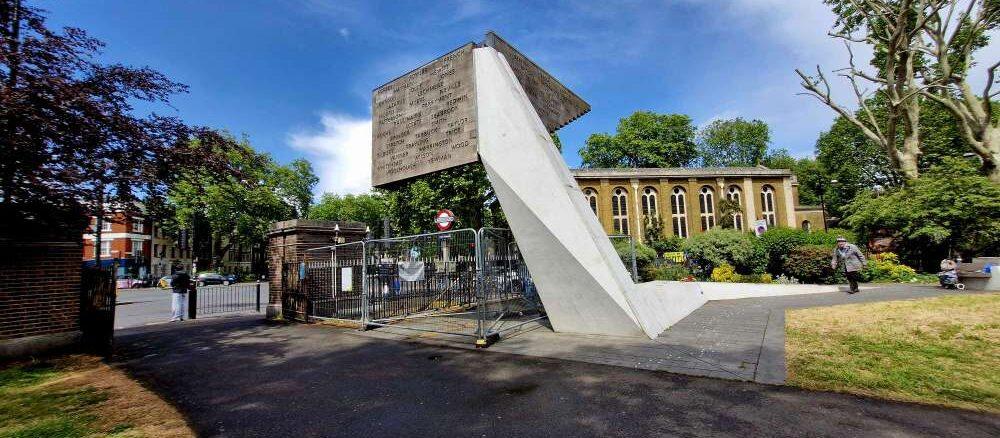
Beside Bethnal Green Underground station, a suspended staircase marks a tragedy that many London visitors know little about.
On 3 March 1943, 173 people died while trying to reach an air-raid shelter beneath the streets of the East End.
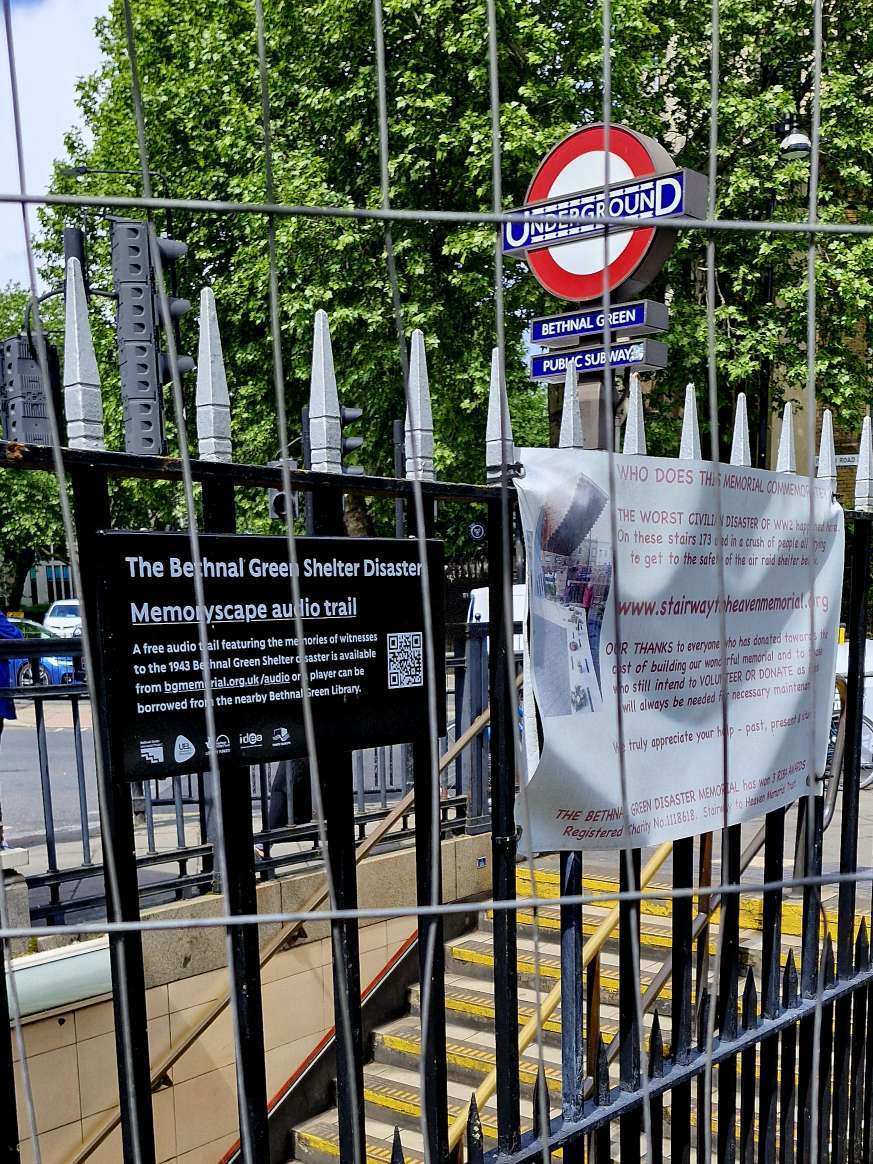
The Bethnal Green disaster was a fatal crowd crush at the entrance to the unfinished station.
No bomb struck the shelter. Today, the Stairway to Heaven memorial remembers the victims, survivors and people who came to their aid.
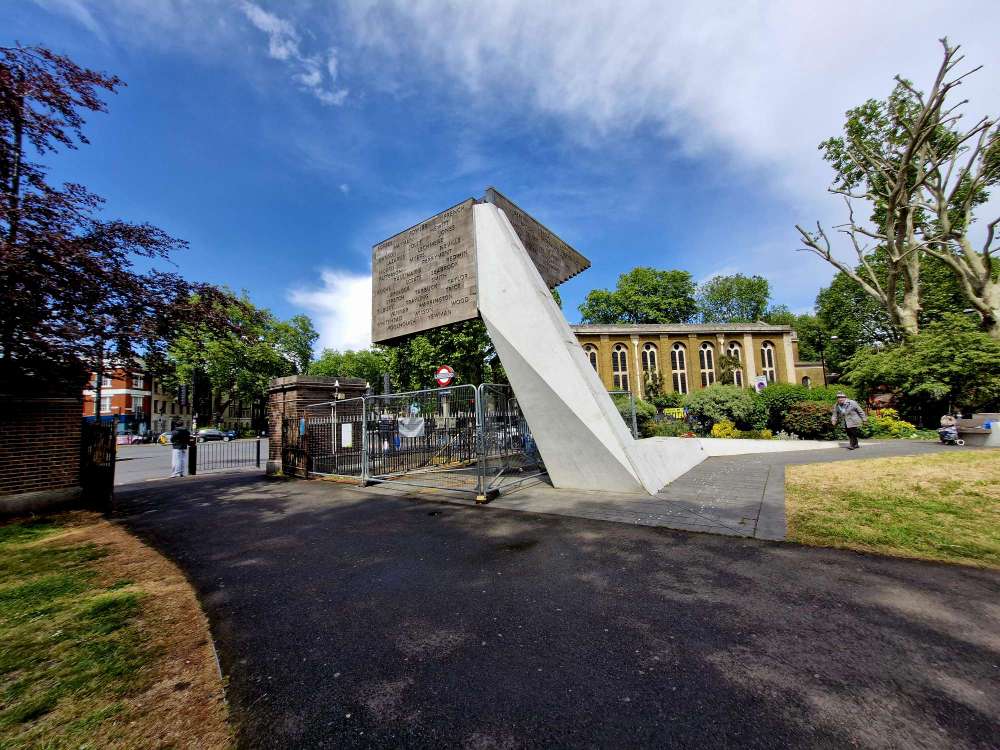
For anyone exploring London’s hidden history, this is a place to pause, read the names and consider what wartime life meant for ordinary families.
What happened in the Bethnal Green disaster?
On the evening of Wednesday 3 March 1943, an air-raid warning sent local residents towards Bethnal Green’s underground shelter.
Although the station was still unfinished and had no passenger train service, its underground spaces offered refuge. The Memorial Trust describes a shelter community with bunks, tea, a library and places for worship: somewhere people could spend anxious nights together.
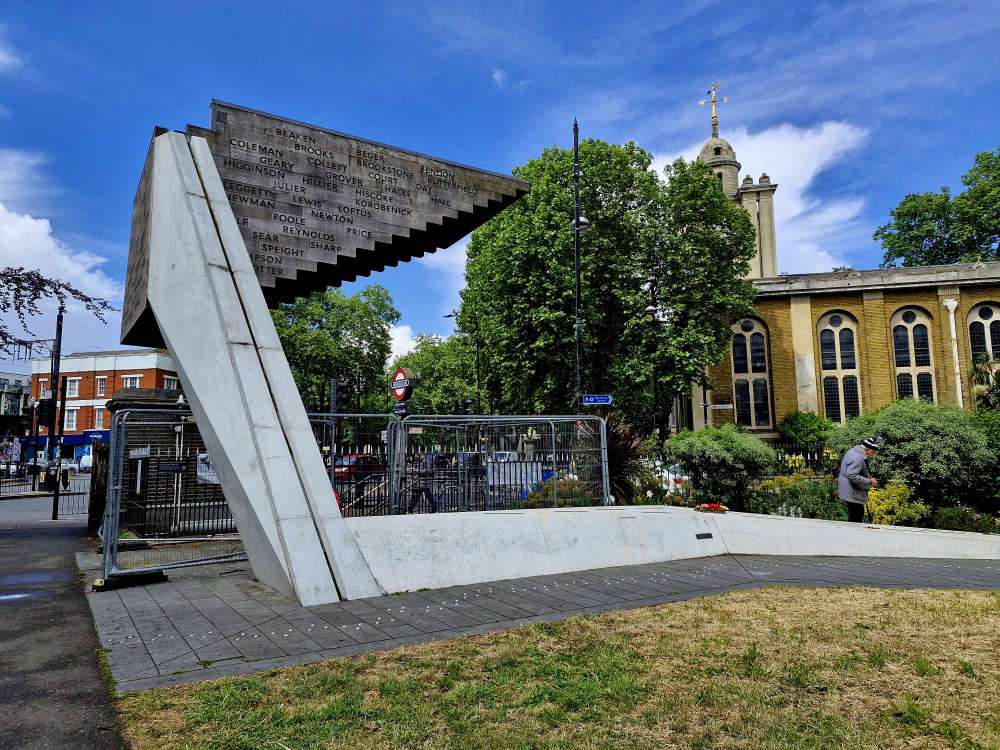
At the entrance, however, conditions were difficult. The steps were wet, lighting was poor and there was no central handrail.
Accounts describe a woman carrying a baby falling near the bottom of the staircase, followed by others. People arriving from the street could not see the blockage below and continued entering.
At around the same time, a British Z Battery fired anti-aircraft rockets from nearby Victoria Park. The unfamiliar explosions were mistaken by some for enemy bombs, although the role of panic in the disaster was later strongly disputed.
The resulting crush killed 173 people: 84 women, 62 children and 27 men. Many survivors and rescuers carried the effects of that night for the rest of their lives.
Was Bethnal Green station bombed?
No. The Memorial Trust records that no bombs fell in that part of Bethnal Green that evening.
The tragedy happened during an air-raid alert, but the deaths resulted from the crush on the shelter entrance stairs.
Did panic cause the Bethnal Green disaster?
The explanation was contested from the outset. Laurence Rivers Dunne’s official inquiry attributed the crush to a surge by people alarmed by the anti-aircraft rockets.
Home Secretary Herbert Morrison subsequently referred to the report’s account of panic. Other authorities reached markedly different conclusions.
Shoreditch Coroner W. R. H. Heddy said there was no evidence of a stampede or panic. In Baker v Bethnal Green Corporation, Mr Justice Singleton stated that “there was nothing in the way of rushing or surging” on the staircase. On appeal, the Master of the Rolls, Lord Greene, also rejected the suggestion that there had been panic.
Together, these accounts show why the tragedy cannot confidently be reduced to a simple story of panic. Poor lighting, the staircase layout and pressure at the entrance were central to what happened; the role of panic remains disputed.
Why was the disaster kept quiet?
The government restricted information about the tragedy for wartime security reasons, and Dunne’s inquiry was held in private. Ministers feared that releasing details could provide useful information to the enemy and undermine morale.
The legal case brought by Annie Baker, who was injured and lost her husband and daughter, helped expose the circumstances. Lord Greene criticised the Ministry’s insistence on secrecy surrounding the hearing.
Baker’s action was followed by further claims. Damages eventually totalled nearly £60,000, with the final payments extending into the early 1950s. For bereaved families, the aftermath involved years of grief, questions and efforts to obtain compensation.
Earlier warnings about the shelter entrance
The inquiry also recorded that Bethnal Green Council had raised concerns in 1941 about crowd pressure at the staircase and sought a crush barrier. The proposal was rejected on cost grounds.
That warning makes the story particularly troubling. The entrance’s shortcomings had been recognised before the disaster.
Afterwards, handrails were installed, steps were marked with white paint and supervision at the entrance was strengthened.
How significant was the Bethnal Green Tube disaster?
With 173 deaths, Bethnal Green remains the deadliest single incident on the London Underground network. It is also widely described as the United Kingdom’s largest single civilian disaster of the Second World War.
That description concerns an individual incident, rather than the casualties across an entire air raid. Whole bombing raids killed far greater numbers such as the 1941 bombing of the shelter at Wilkinson’s Lemonade Factory in North Shields, where 107 people died.
Although the Bethnal Green deaths were not directly caused by enemy action, victims are recorded among the Commonwealth War Graves Commission’s civilian war dead. Records cited in histories of the disaster include 164 victims under the Metropolitan Borough of Bethnal Green and seven under the Metropolitan Borough of Stepney. Entries describe deaths or injuries in a Tube shelter accident.
Remembering the disaster through books, film and testimony
The memorial is part of a much wider effort to preserve the experiences of survivors, relatives and rescuers. Their accounts reveal how the effects of a few minutes could last for decades.
It’s a Lovely Day Tomorrow
In 1975, ITV broadcast It’s a Lovely Day Tomorrow, a drama documentary directed and produced by John Goldschmidt. Its script was written by Bernard Kops, who had witnessed the disaster as a teenager.
The film was shortlisted for an International Emmy in the Fictional Entertainment category, with the award going to The Naked Civil Servant.
St John on Bethnal Green and the TUBE installation
Look across from the memorial towards St John on Bethnal Green, the church designed by Sir John Soane. It was used as a temporary mortuary on the night of the disaster.
In November 2013, sound artist Kim Zip commemorated the tragedy with TUBE, a four-week installation in the church’s belfry. It featured in Whitechapel Gallery’s First Thursdays programme, bringing an artistic act of remembrance to a building closely connected with the events.
Dr Joan Martin’s recollections
Among those who treated the casualties was Dr Joan Martin, then a junior casualty officer at the nearby Queen Elizabeth Hospital for Children.
In April 2016, she spoke to Eddie Mair on BBC Radio 4 about leading the medical response and the long-term effect of that night on her life. Her testimony offers another perspective: that of the medical staff suddenly confronted with an overwhelming number of dead and injured people.
Oral histories and the memorial audio trail
The Bethnal Green Memorial Project, supported by the University of East London, gathered interviews with survivors, witnesses and relatives. Its work produced a book, audio trails, a touring exhibition and educational resources.
Edited by Toby Butler and published by the University of East London in 2015, The 1943 Bethnal Green Tube Shelter Disaster: An Oral History brings together more than 30 interviews.
For visitors, the Memoryscape audio trail adds personal voices to the physical memorial. Adult and children’s versions are available through the Memorial Trust website, with each lasting approximately half an hour. Downloading a trail before your visit gives you time to listen while looking at the site.
Nineteen Steps and Steve McQueen’s Blitz
The disaster has also reached new audiences through fiction and cinema.
Millie Bobby Brown’s 2023 novel Nineteen Steps draws on her family’s experiences, including her grandmother’s survival of the disaster. It explores the event and its aftermath through a fictional story set in wartime Bethnal Green.
The tragedy also helped inspire Steve McQueen’s 2024 film Blitz, which depicts the dangers facing civilians in wartime London.
Visiting the Stairway to Heaven memorial
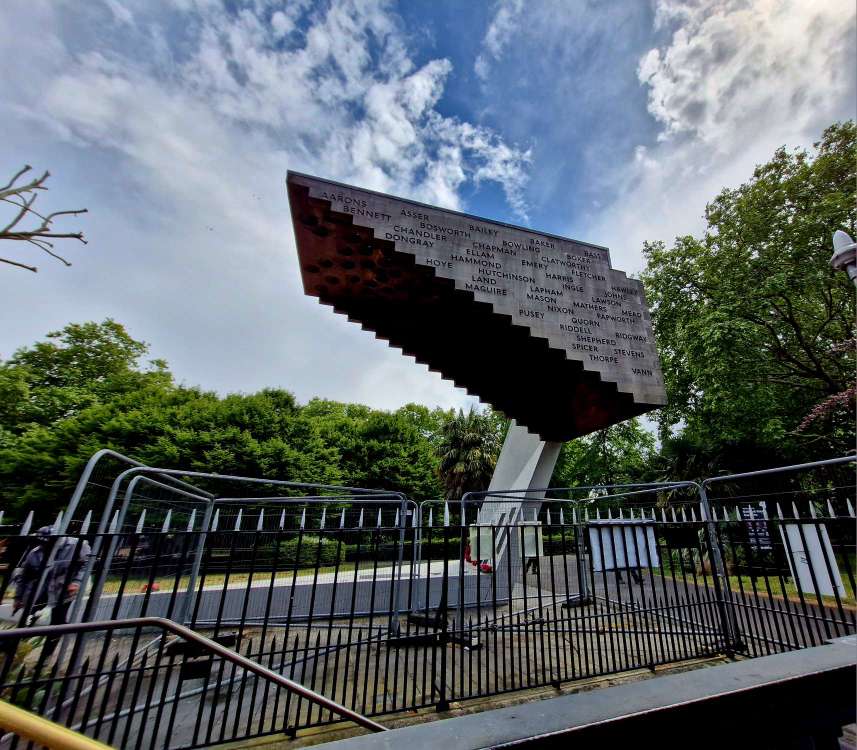
The Stairway to Heaven memorial in Bethnal Green, designed by architect Harry Paticas, was unveiled on 17 December 2017.
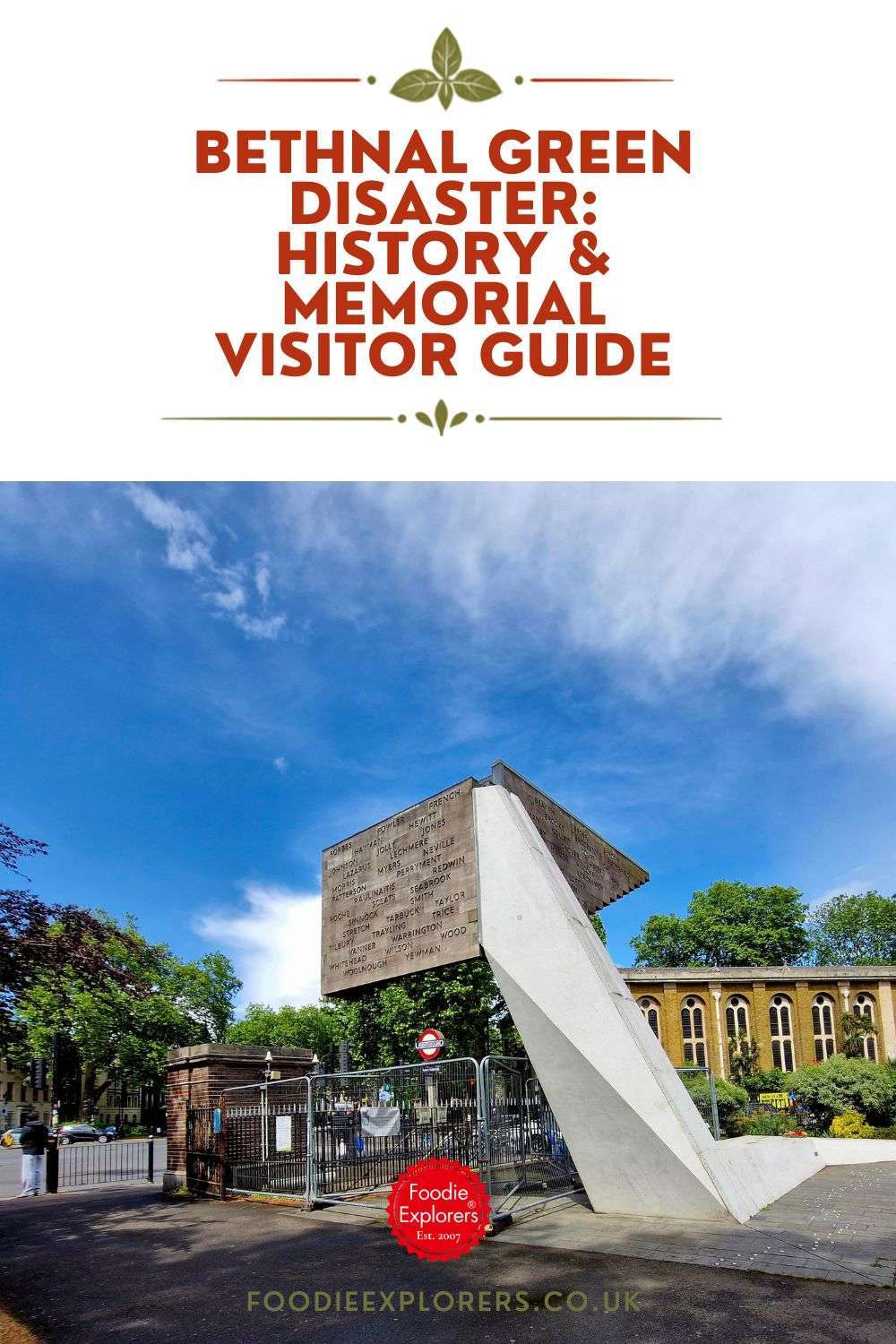
Its suspended teak structure represents the 19 steps where the disaster occurred. There are 173 openings through which light can pass, one for each person who died. The victims’ surnames are carved into the structure.
Where is the Bethnal Green disaster memorial?
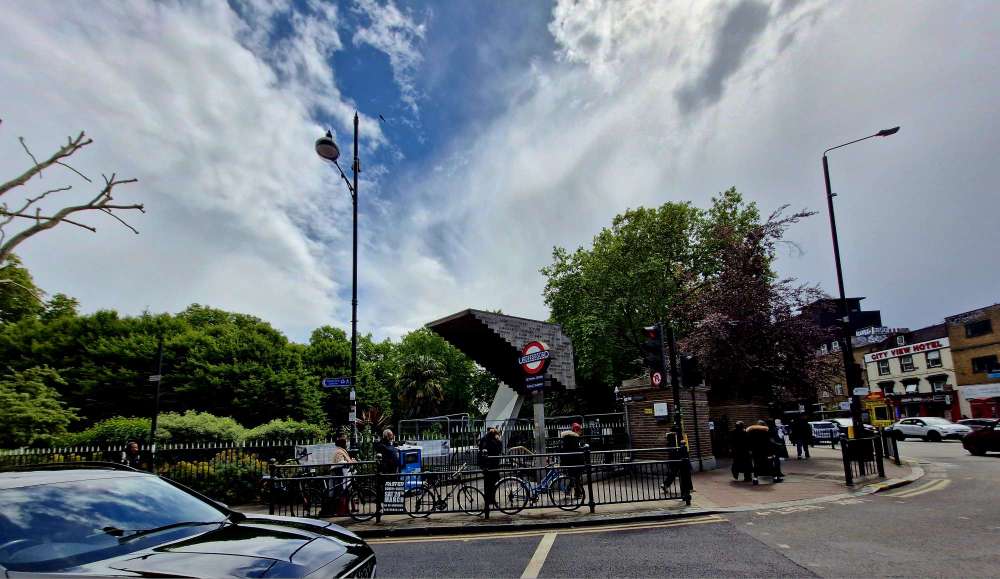
The memorial stands beside Bethnal Green Underground station, at the Cambridge Heath Road end of Bethnal Green Gardens, close to the junction with Bethnal Green Road.
Map search: Stairway to Heaven Memorial, Bethnal Green, London.
Memorial postcode: E2 0EL
The outdoor memorial can be viewed free of charge, without buying a Tube ticket.
How to get to the Bethnal Green disaster memorial
By London Underground
The closest station is Bethnal Green on the Central line. From Liverpool Street, take an eastbound Central line train one stop to Bethnal Green.
Once at street level, look for the memorial beside the station on the gardens side of the junction.
Check the TfL Bethnal Green station page for current services.
By bus
Routes serving the Bethnal Green Underground station area include 106, 254, 309 and 388. The correct stop depends on your direction of travel.
Use TfL Journey Planner and select Bethnal Green Underground station as your destination.
By London Overground
Bethnal Green Overground station is a separate station, on Three Colts Lane. National Rail places it approximately eight minutes’ walk from the Underground station.
If travelling by Overground, allow time for that walk rather than expecting to arrive beside the memorial.
Accessible travel
Bethnal Green Underground station does not provide step-free access from street to platform. A bus may be a more suitable option for visitors who need to avoid stairs.
Other quirky sights and hidden history in London
Continue exploring with these Foodie Explorers guides. They are in different parts of London, so plan the onward journey separately.
St Dunstan in the East — a public garden within the ruins of a church damaged during the Blitz.
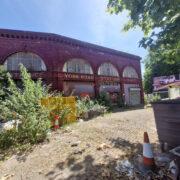
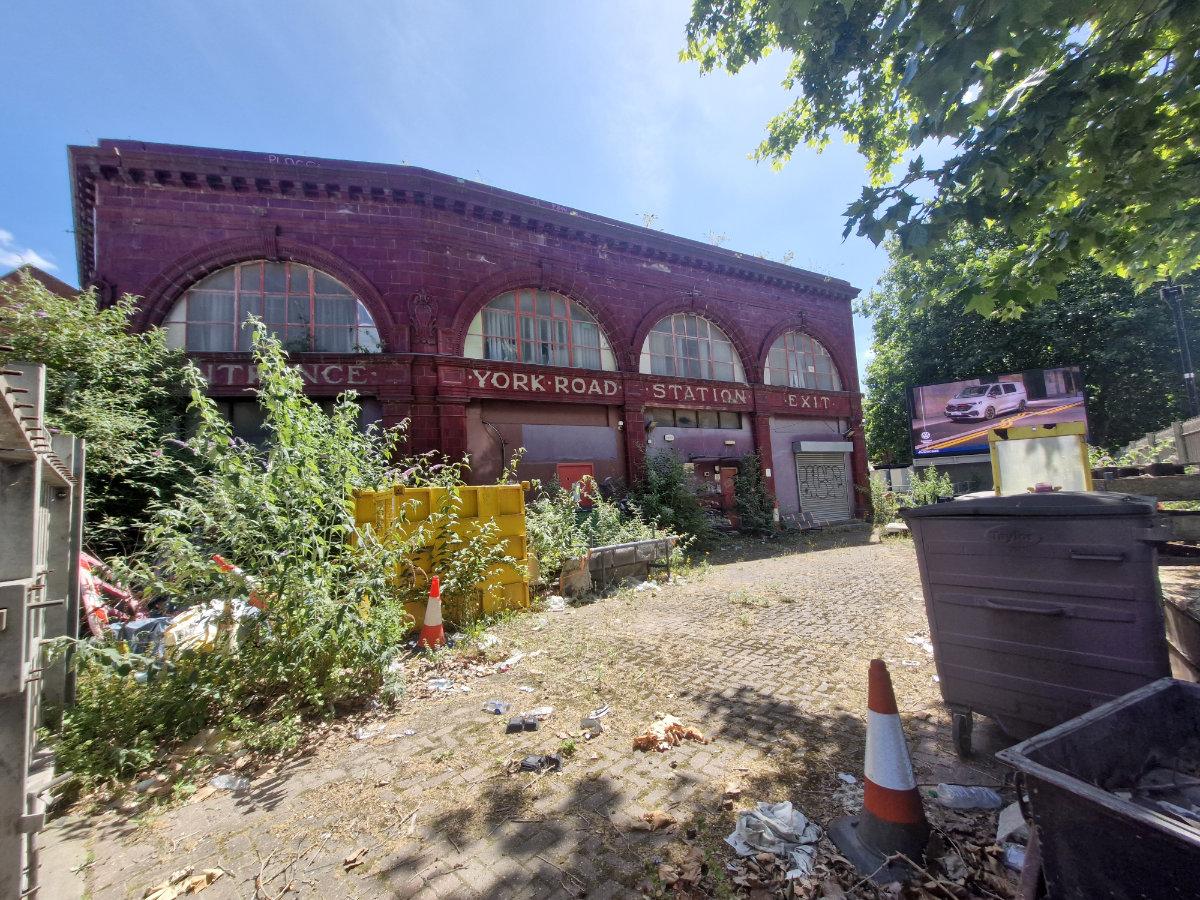
York Road Underground station — an old Tube station with a surviving red-tiled frontage, viewed from the pavement.
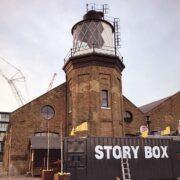
Longplayer at Trinity Buoy Wharf — a musical composition designed to play for 1,000 years, housed in a lighthouse.
Leadenhall Market — ornate Victorian architecture, covered passageways and Harry Potter filming connections.
Browse our Quirky section for more unusual places and overlooked stories.





Be the first to comment