York Road Underground Station: London’s Forgotten Tube Stop
York Road Underground Station: London’s Forgotten Piccadilly Line Stop
London is filled with clues to its past, but few are quite as intriguing as a complete Underground station entrance that no longer appears on the Tube map.
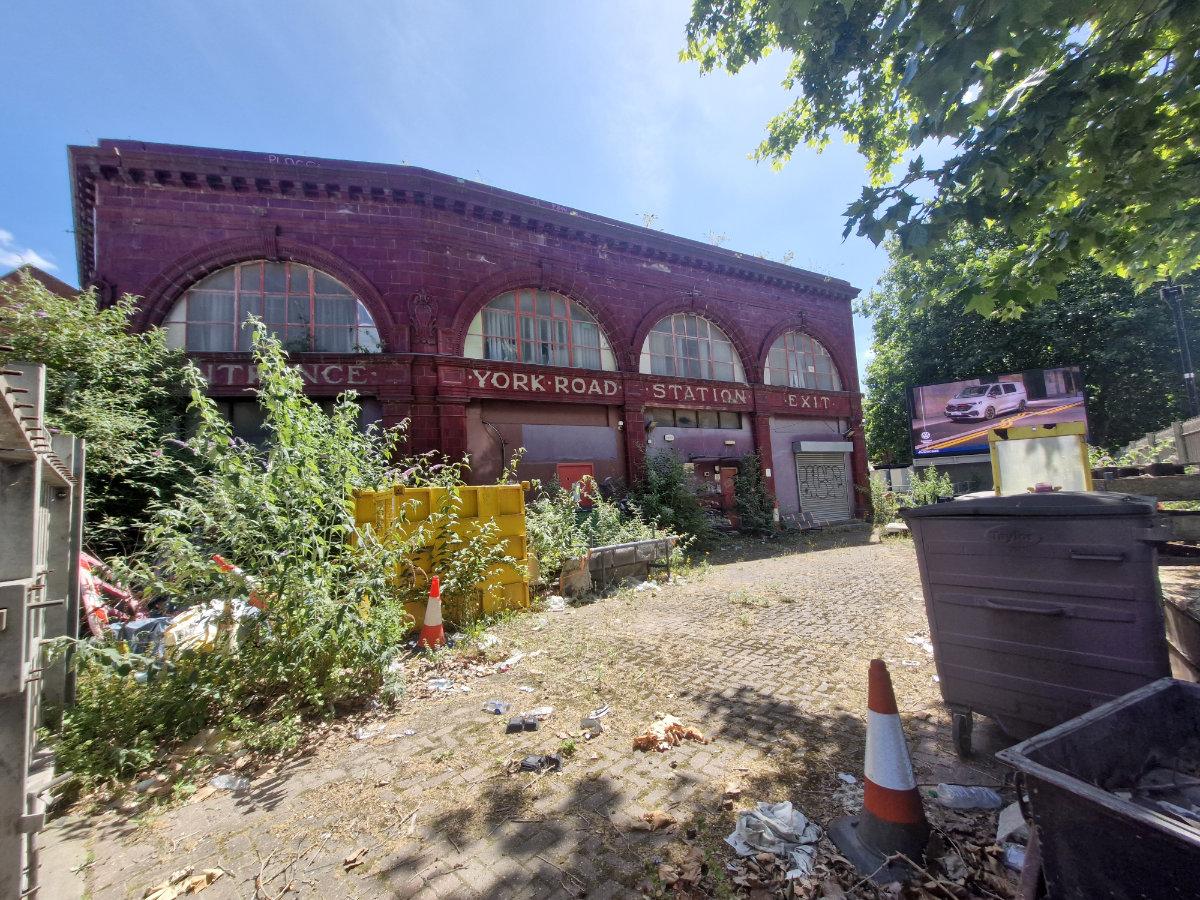
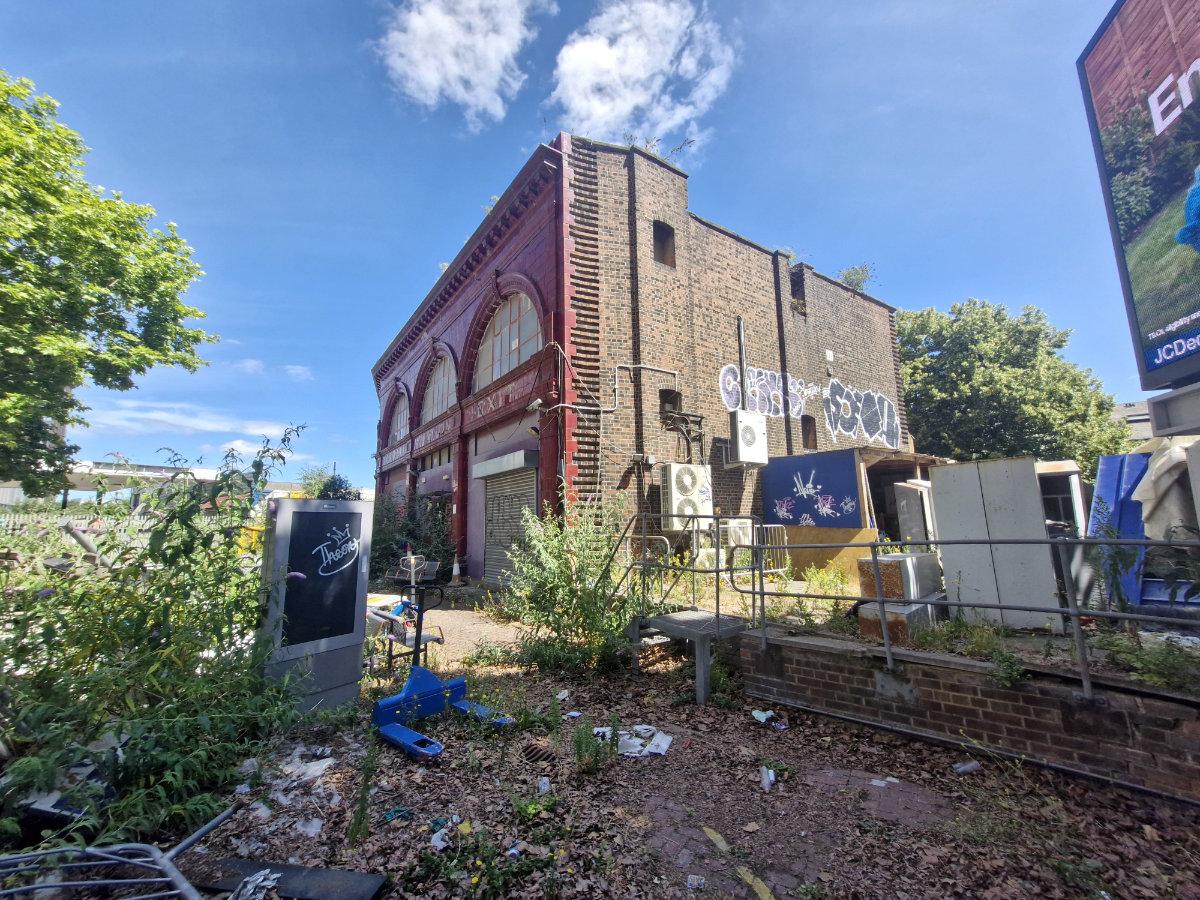
Walk north from King’s Cross along York Way and you will eventually spot the distinctive oxblood-red frontage of York Road Underground station. Its arched windows and fading station lettering remain visible beside the busy road, yet no passengers have entered here for more than 90 years.
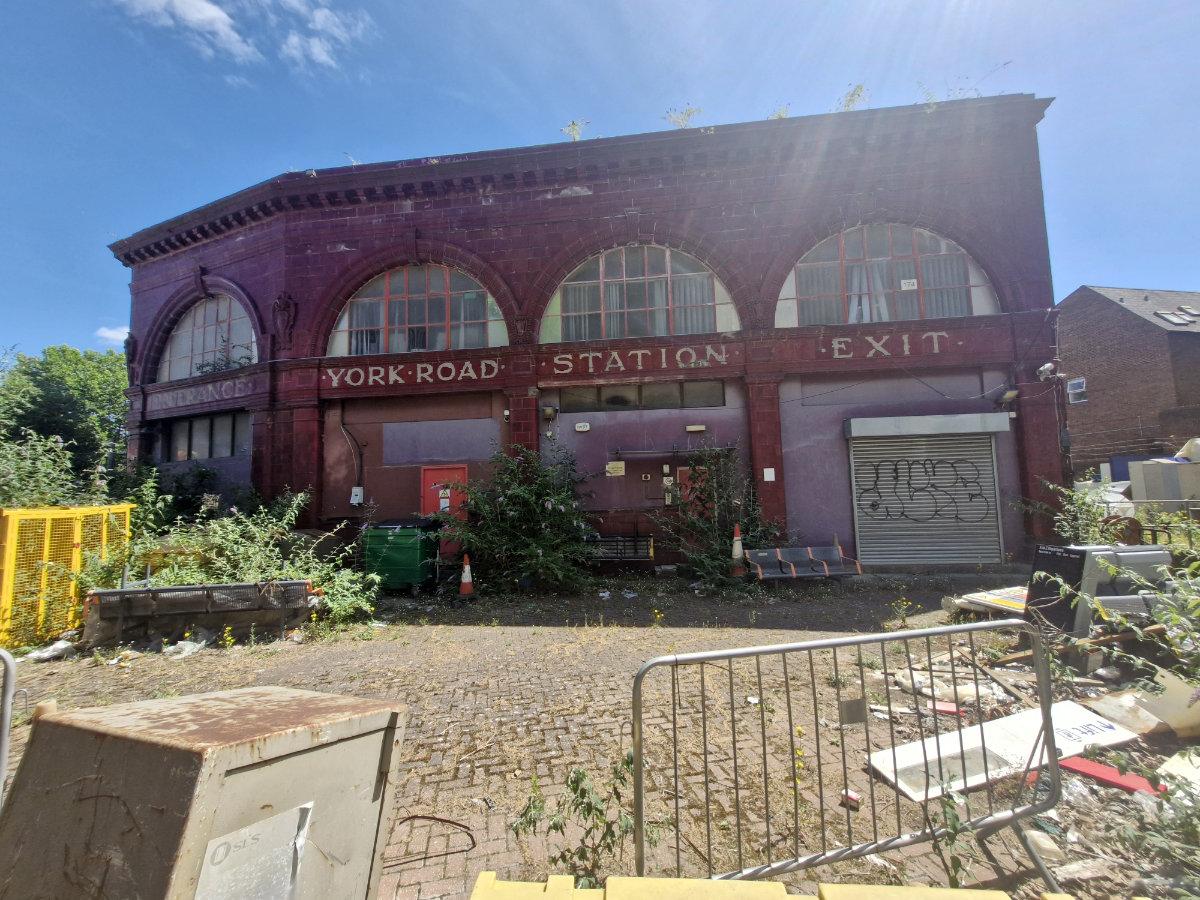
York Road is one of London’s abandoned Underground stations, sitting silently between King’s Cross St Pancras and Caledonian Road on the Piccadilly line. Trains still pass through the old station tunnels, but they have not stopped here since 1932.
The opening of York Road station
York Road opened on 15 December 1906 as part of the Great Northern, Piccadilly and Brompton Railway. This early Underground railway later became part of the modern Piccadilly line.
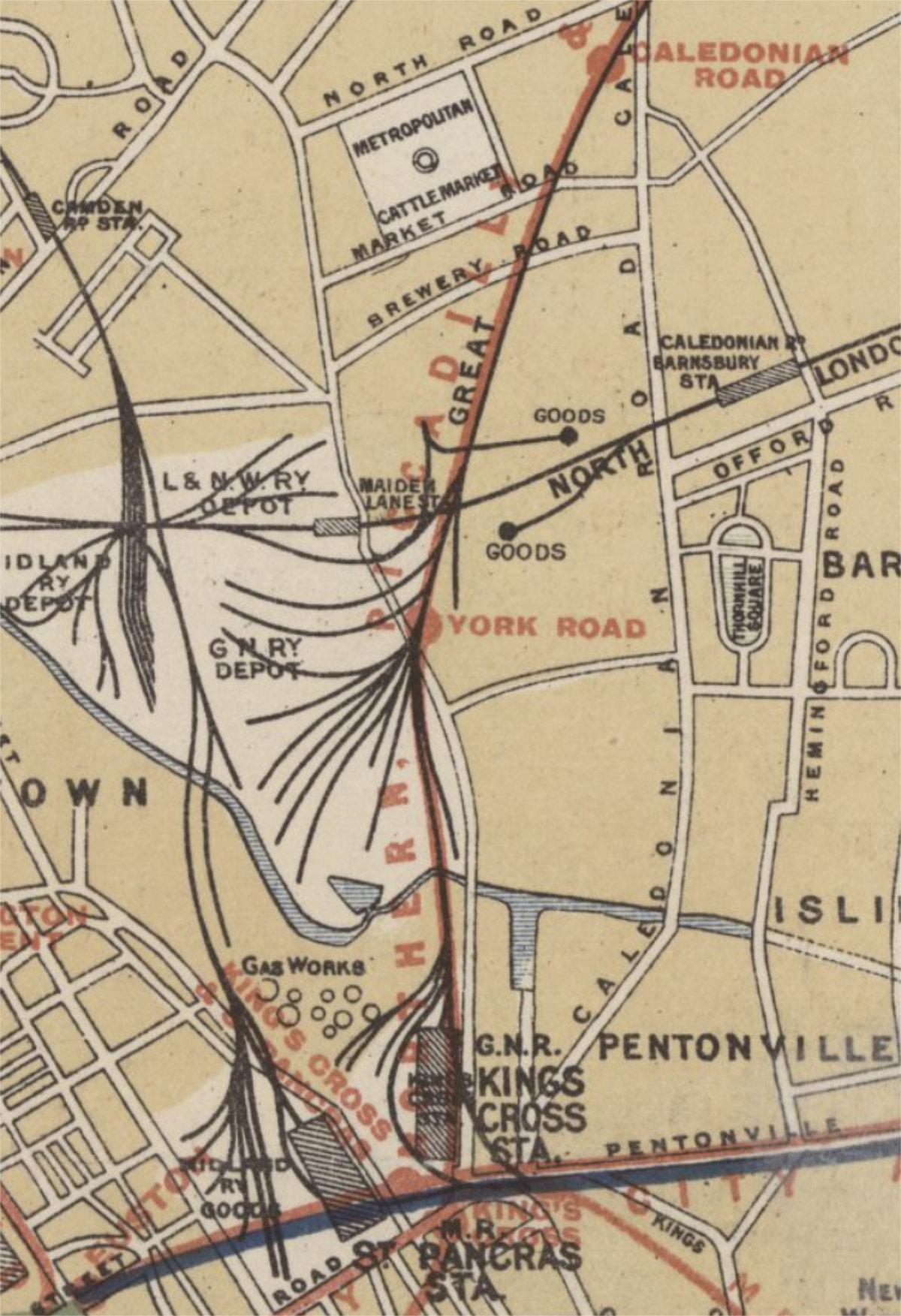
The station stood at the junction of York Road, now called York Way, and Bingfield Street. At the time, the surrounding neighbourhood was largely industrial, with railway yards, warehouses and factories occupying much of the land north of King’s Cross.
Like many Underground stations built during this period, York Road was designed by architect Leslie Green. His stations are instantly recognisable thanks to their deep red glazed tiles, large semicircular windows and bold lettering set into the façade. Similar examples can still be seen at stations including Caledonian Road, Holloway Road and Russell Square.
Although York Road is no longer open, its handsome frontage remains one of the best surviving reminders of the original railway.
For more original images from London Transport Museum, click here, or the image below.
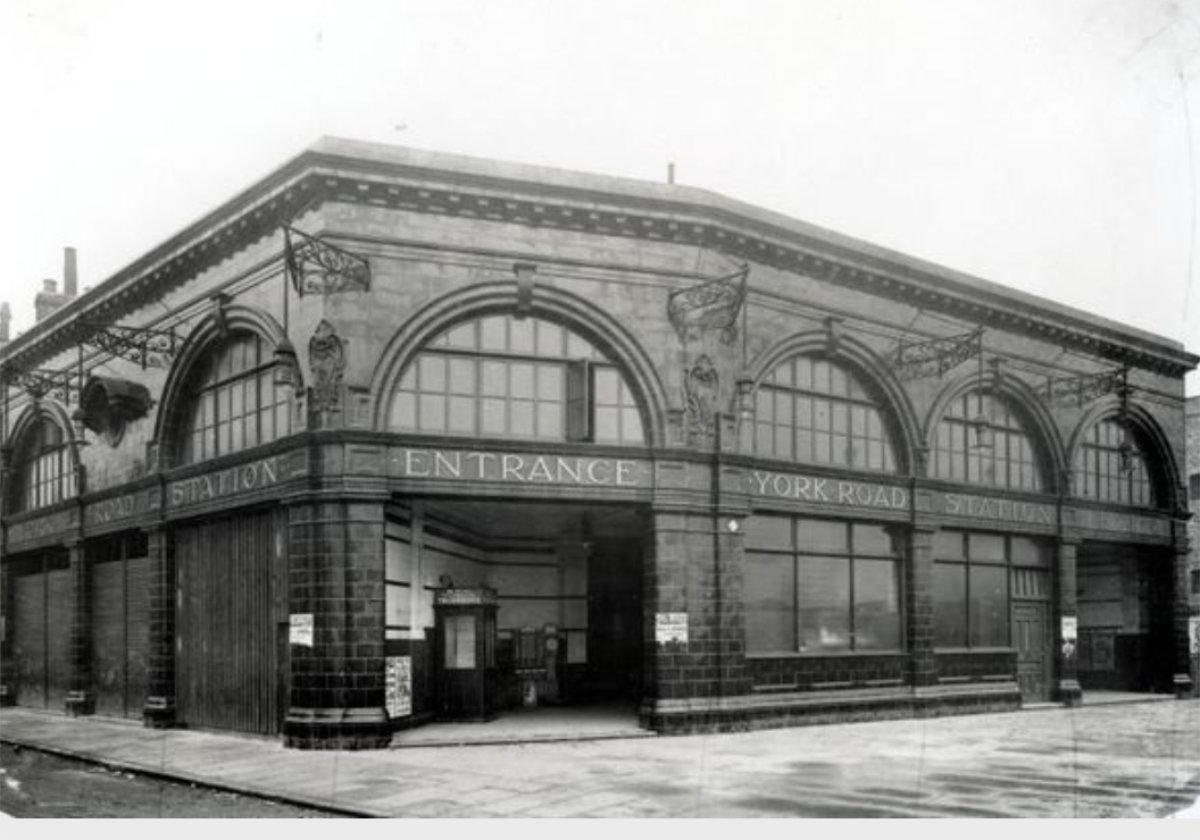
Inside York Road Underground station
Behind the street-level entrance was a booking hall connected to the platforms by a circular lift shaft containing two electric lifts. There was also an emergency staircase.
Unusually, the lifts travelled directly to platform level rather than stopping at a separate landing above the platforms. The two running tunnels therefore had to curve away from each other to create enough space for the lift shaft.
The station had two platforms decorated with white, maroon and red tiles. Much of this tiling was later painted over, although sections of the original design have survived below ground. An old signal cabin also remains within the abandoned station.
Passengers travelling on the Piccadilly line may occasionally catch a brief glimpse of the former station area between King’s Cross St Pancras and Caledonian Road. Do not expect a perfectly preserved platform with signs and benches, however. Much of the platform structure has been removed or altered since closure.
Map of the railways of London and suburbs, shewing railways open, authorised and constructing, together with those proposed for session 1913 – 1913
Why did York Road station close?
York Road never attracted the number of passengers expected.
Its industrial surroundings meant relatively few people lived close to the station, while King’s Cross was already within walking distance. As early as 1909, some trains began passing through York Road without stopping to shorten journey times. Sunday services were withdrawn in 1918.
The station temporarily closed during the General Strike in May 1926. Although the strike lasted only nine days, York Road remained shut for several months before reopening in October that year.
Its return was short-lived. York Road closed permanently on 19 September 1932, the same day that the Piccadilly line was extended north from Finsbury Park to Arnos Grove. Closing the lightly used station allowed trains to run more quickly along the expanded route.
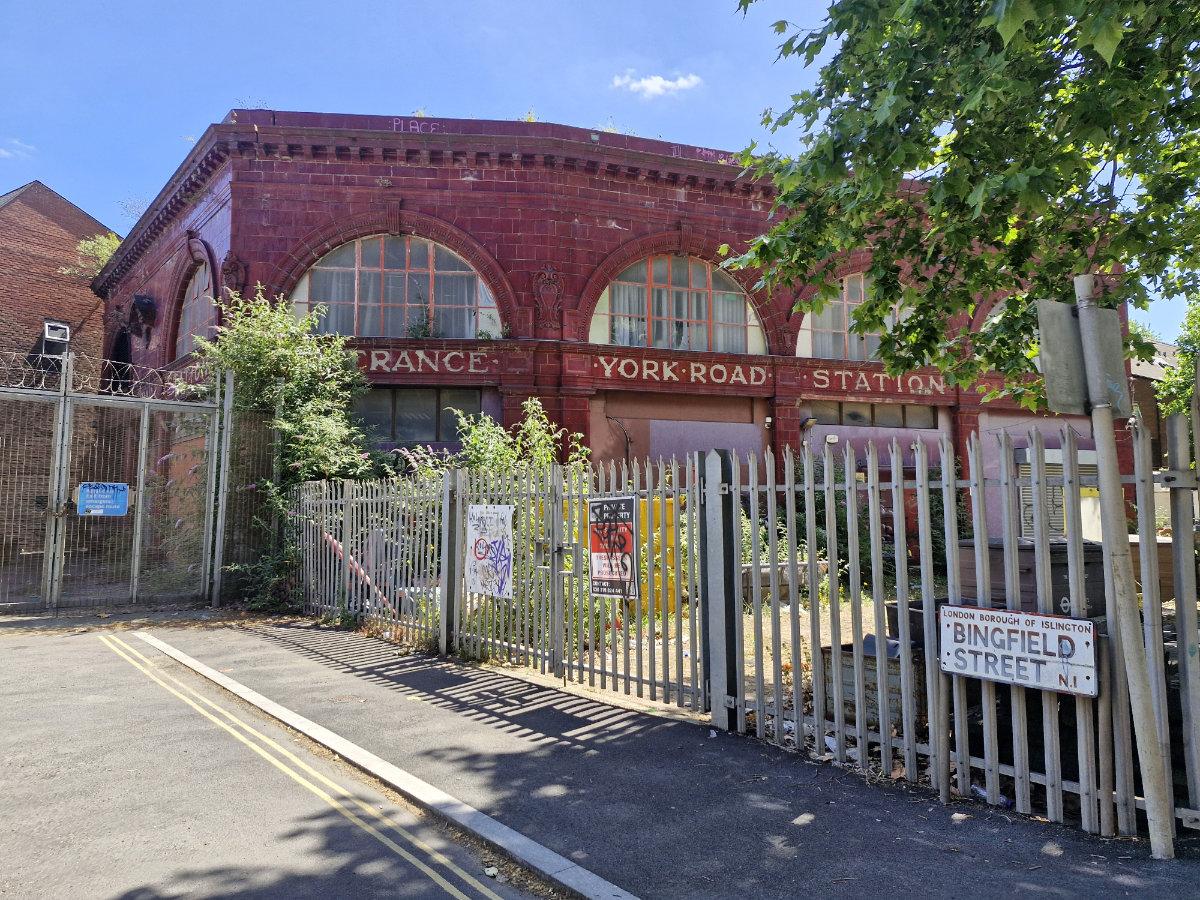
 What happened to the station building?
After the station closed, the surface building was used by the Victor Printing Company. It later became derelict, but refurbishment work carried out in 1989 revealed more of the original frontage and station lettering.
The old entrance is still part of the operational Underground network and is used for railway access and emergency purposes. It is therefore not an abandoned building that visitors can enter, and there is no public access to the tunnels or former platforms.
The London Transport Museum’s Hidden London programme explores forgotten and concealed parts of the Underground network. York Road has previously featured in its virtual-tour programme, offering a legitimate way to learn more about the station’s surviving tiled areas, lift lobby and signal cabin. Availability varies, so check the museum’s current programme before planning around a tour.
Looking for more unusual things to see? Click here or the image below.
Could York Road station reopen?
The redevelopment of King’s Cross has transformed the area around York Way. Former railway and industrial land is now occupied by homes, offices, restaurants, public spaces and cultural venues, leading to occasional calls for York Road to reopen.
A feasibility study has previously considered the idea, but the cost of rebuilding the station to modern accessibility and safety standards would be substantial. Adding another stop would also increase journey times on the Piccadilly line. Transport authorities have consequently stated that there are no plans to reopen York Road.
Proposals published in 2024 for development beside the station included restoring the historic surface building and opening more of the former forecourt as pavement, although these plans were subject to planning approval.
How to see York Road Underground station
The former station entrance stands at approximately 174 York Way, London N1 OAZ, close to the junction with Bingfield Street.
The most straightforward approach is from King’s Cross St Pancras. Leave the station and walk north along York Way, passing the redeveloped King’s Cross neighbourhood and continuing beyond Regent’s Canal.
Bus routes 274 and 390 also serve stops around this section of York Way. Always check live Transport for London information before travelling, as routes and diversions can change.
The exterior can be viewed from the public pavement, but the building is fenced and closed. There is no need to enter private land, climb barriers or attempt to access railway property.
Food and drink near York Road station
A visit to York Road works well as a small historical detour while exploring King’s Cross rather than as a standalone day out.
Head back towards Granary Square and Coal Drops Yard for cafés, bakeries, bars and restaurants. The wider King’s Cross development now contains more than 100 places to shop, eat and drink, including canal-side venues and restaurants within the restored railway buildings.
The contrast is striking. York Road station was closed partly because too few people used it, yet it now stands beside one of London’s busiest regenerated neighbourhoods.
Is York Road Underground station worth visiting?
York Road is not a visitor attraction in the conventional sense. You cannot go inside, buy a ticket or wander around the old platforms.
What makes it worthwhile is the survival of the street-level building. The faded lettering, arched windows and red-tiled façade provide an atmospheric glimpse of Edwardian London, standing in plain sight beside a modern road.
For railway enthusiasts, architecture fans and anyone who enjoys discovering London’s less obvious landmarks, York Road is a fascinating reminder that the Underground has not always been a fixed network. Stations have opened, disappeared and been forgotten, even while trains continue to rumble through the tunnels below.