10 Rillington Place, London – The Chilling Story of John Christie
Within the streets of Notting Hill lies the site of one of Britain’s most infamous murder cases. 10 Rillington Place became synonymous with terror after serial killer John Christie used the property to commit a series of murders during the 1940s and 1950s.
The horrifying events linked to the house shocked the nation and played a major role in changing attitudes towards capital punishment in the United Kingdom. Today, true crime fans and London history enthusiasts still search for the story behind 10 Rillington Place and what happened to the building.
In this guide, we look at the dark history of John Christie, the murders at 10 Rillington Place, the wrongful execution of Timothy Evans, and whether the house still exists today.
Where Was 10 Rillington Place?
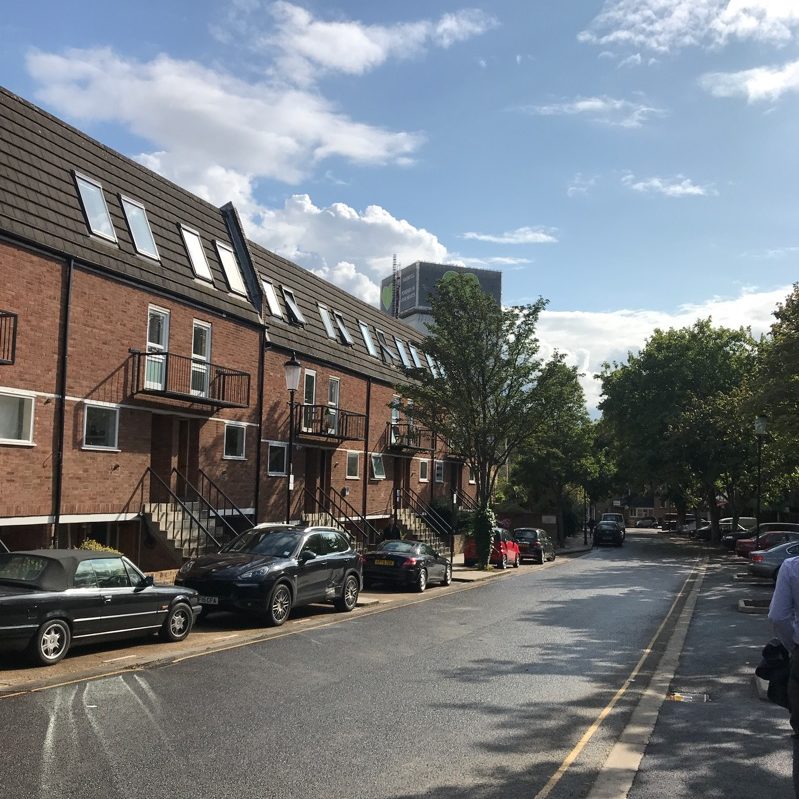
10 Rillington Place was located in the Notting Hill area of West London, close to Ladbroke Grove. During the post-war years, the street was a run-down terrace of properties divided into cramped flats.

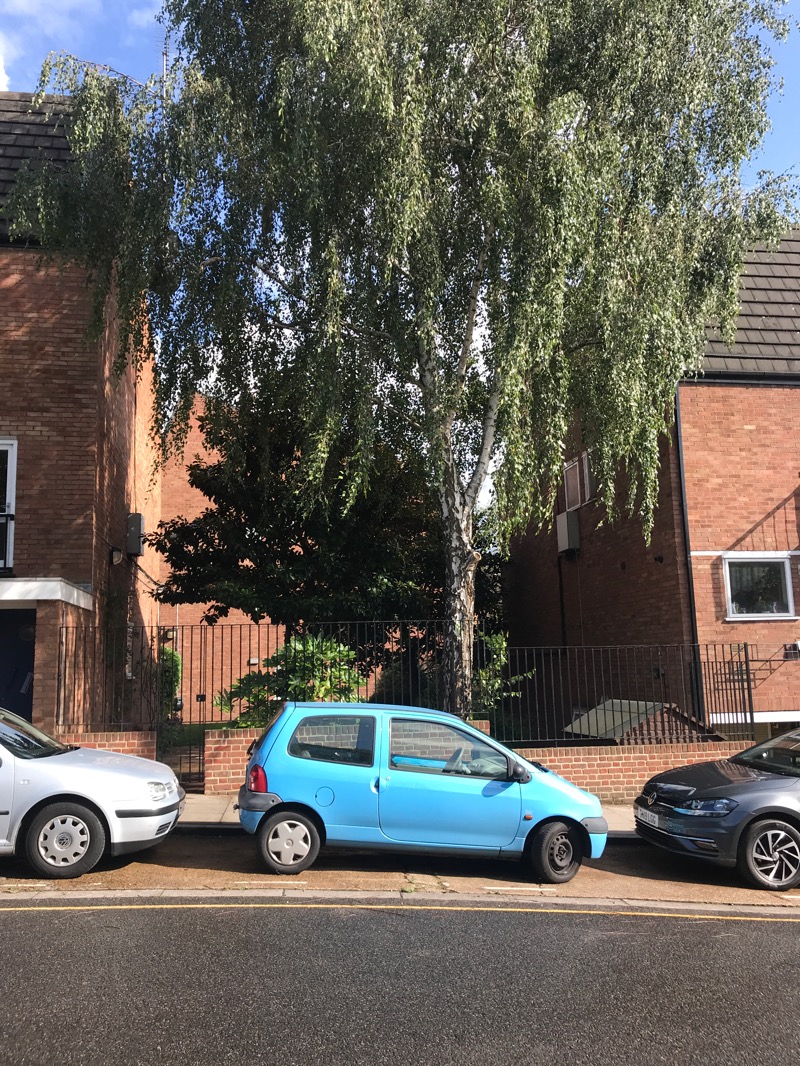
Today, the original house no longer exists. The street itself was renamed Bartle Road following demolition in the 1970s.
 Who Was John Christie?
John Christie was born in Halifax in 1899 and later moved to London with his wife Ethel Christie. Quiet and seemingly ordinary, Christie hid a dark and violent side behind his calm appearance.
Over several years, Christie lured victims to 10 Rillington Place where he strangled and murdered them. He often posed as someone with medical knowledge, convincing vulnerable women he could help treat illnesses or assist with illegal abortions.
The Murders at 10 Rillington Place
The first known victims linked to Christie were Beryl Evans and her baby daughter Geraldine in 1949. Timothy Evans, Beryl’s husband, initially confessed before changing his story and accusing Christie of responsibility. Evans was later convicted and executed for the murders.
In 1953, the bodies of several women were discovered hidden inside 10 Rillington Place, including concealed remains behind a kitchen alcove. Further investigation revealed Christie himself was responsible for multiple murders carried out over a number of years. Among the victims was Christie’s wife, Ethel.
The case became one of Britain’s most shocking criminal investigations and exposed a major miscarriage of justice.
The Timothy Evans Miscarriage of Justice
The wrongful conviction and execution of Timothy Evans remains one of the most controversial legal cases in British history.
After Christie’s arrest, serious doubts emerged regarding Evans’ guilt. Public concern grew over how police handled the investigation and whether Evans had been pressured into confessing. In 1966, Timothy Evans received a posthumous pardon.
The case became a significant factor in debates surrounding the death penalty in Britain and contributed to its eventual abolition.
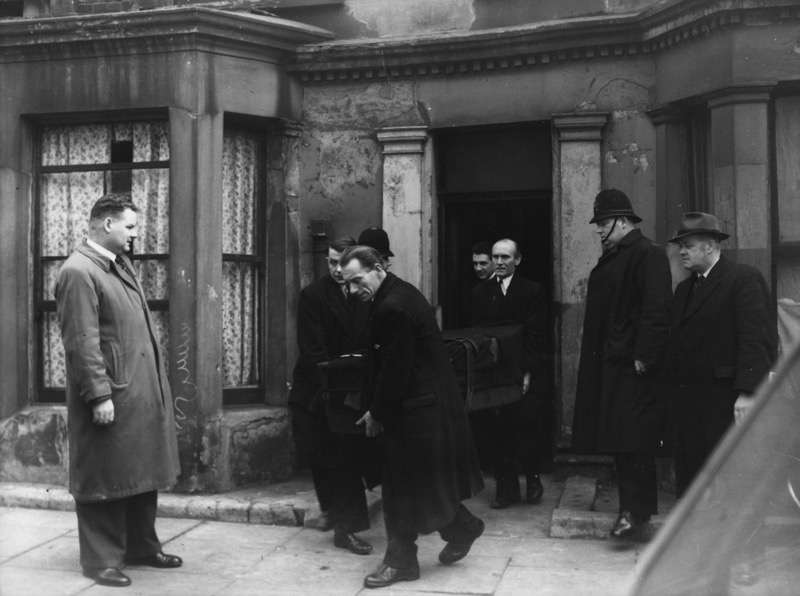
Does 10 Rillington Place Still Exist?
No, the original building no longer exists.
The house at 10 Rillington Place was demolished in the early 1970s as part of redevelopment works in the area. The street was also renamed Ruston Close in an attempt to distance the neighbourhood from the crimes associated with John Christie.
Today, visitors to the area will find little evidence of the infamous property, although true crime enthusiasts continue to visit the location connected to one of Britain’s most notorious murder cases.
10 Rillington Place in Film and Television
The story of John Christie and Timothy Evans has inspired several film and television adaptations.
The best-known version is the 1971 film 10 Rillington Place, starring Richard Attenborough as John Christie. The film is widely regarded as one of Britain’s most unsettling true crime movies.
A later BBC adaptation starring Tim Roth revisited the case for a modern audience.
These productions helped cement the case in British cultural history and introduced new generations to the disturbing story behind 10 Rillington Place.
Visiting the Site of 10 Rillington Place Today
While there is little remaining of the original street, the area around Ladbroke Grove and Notting Hill attracts visitors interested in London’s hidden history.
The case forms part of many discussions around dark tourism in London, alongside locations connected to Jack the Ripper, the Kray twins, and other infamous crimes.
Visitors exploring the area can combine a trip here with nearby historic London attractions, markets, and museums.
Tips
- Nearest station: Ladbroke Grove Underground Station
- Combine with a walk around Notting Hill and Portobello Road Market
- Ideal for fans of London history and true crime stories
- Watch the 1971 film before visiting for additional historical context
FAQ About 10 Rillington Place
Where was 10 Rillington Place?
10 Rillington Place was located in Notting Hill, West London, near Ladbroke Grove.
Does 10 Rillington Place still exist?
No, the building was demolished in the 1970s and the street renamed Ruston Close.
Who was John Christie?
John Christie was a British serial killer responsible for multiple murders at 10 Rillington Place during the 1940s and 1950s.
Was Timothy Evans innocent?
Timothy Evans was later granted a posthumous pardon after serious doubts emerged about his conviction.
Was 10 Rillington Place made into a film?
Yes, the story was adapted into the 1971 film 10 Rillington Place starring Richard Attenborough.
Final Thoughts
The story of 10 Rillington Place remains one of the darkest chapters in British criminal history. Beyond the horrific crimes themselves, the case also changed public attitudes towards justice and capital punishment in the UK.
Today, the former site continues to fascinate visitors interested in London’s hidden history, true crime, and the stories that shaped modern Britain.
RIP
- Ruth Fuerst, 21 (24 August 1943)
- Muriel Eady, 31 (7 October 1944)
- Beryl Evans, 20 (8 November 1949)
- Geraldine Evans, 13 months (8 November 1949)
- Ethel Christie, 54 (14 December 1952)
- Rita Nelson, 25 (19 January 1953)
- Kathleen Maloney, 26 (February 1953)
- Hectorina MacLennan, 26 (6 March 1953)