 Emma Mykytyn
 Paris Catacombs Guide: Tickets, Opening Times and Essential Tips
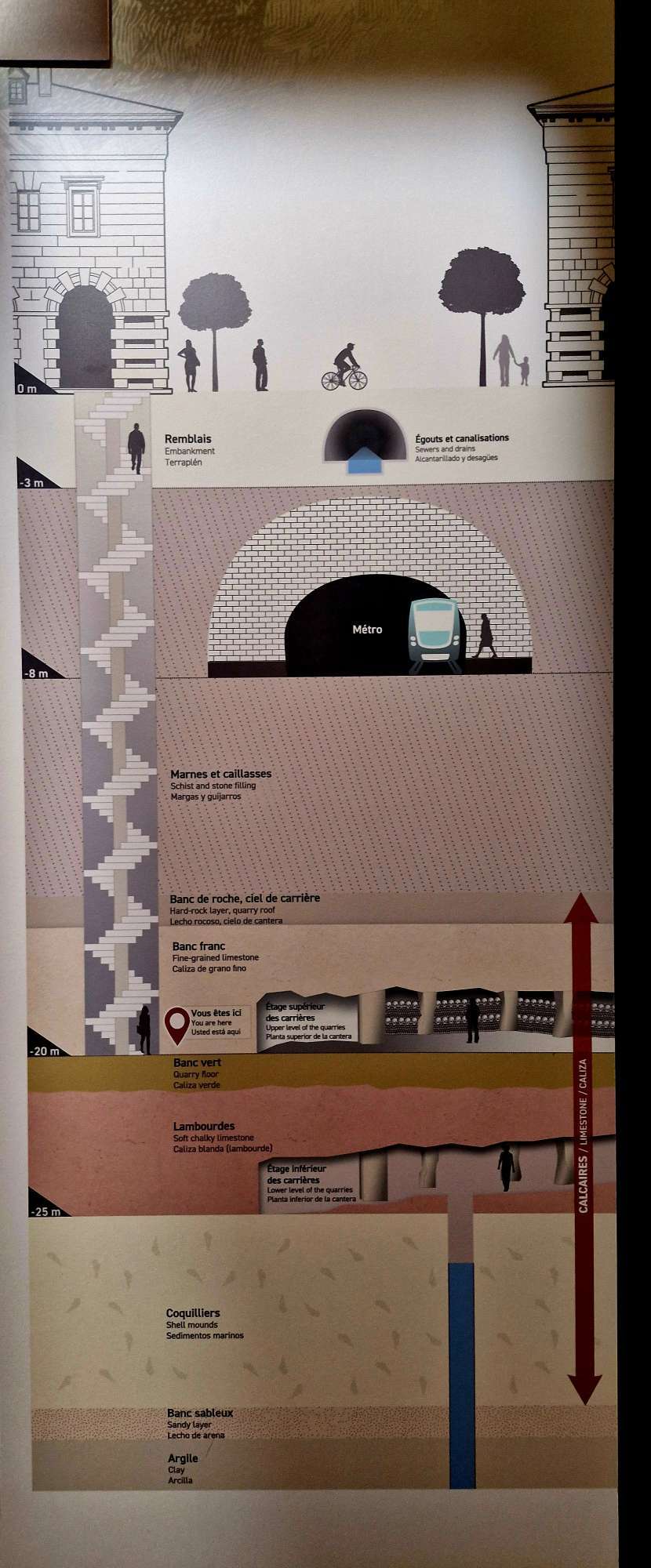
Beneath the elegant boulevards and busy cafés of Paris is one of the city’s most unusual attractions: the Paris Catacombs. The Paris Catacombs take visitors approximately 20 metres underground into former limestone quarries containing the remains of several million Parisians.
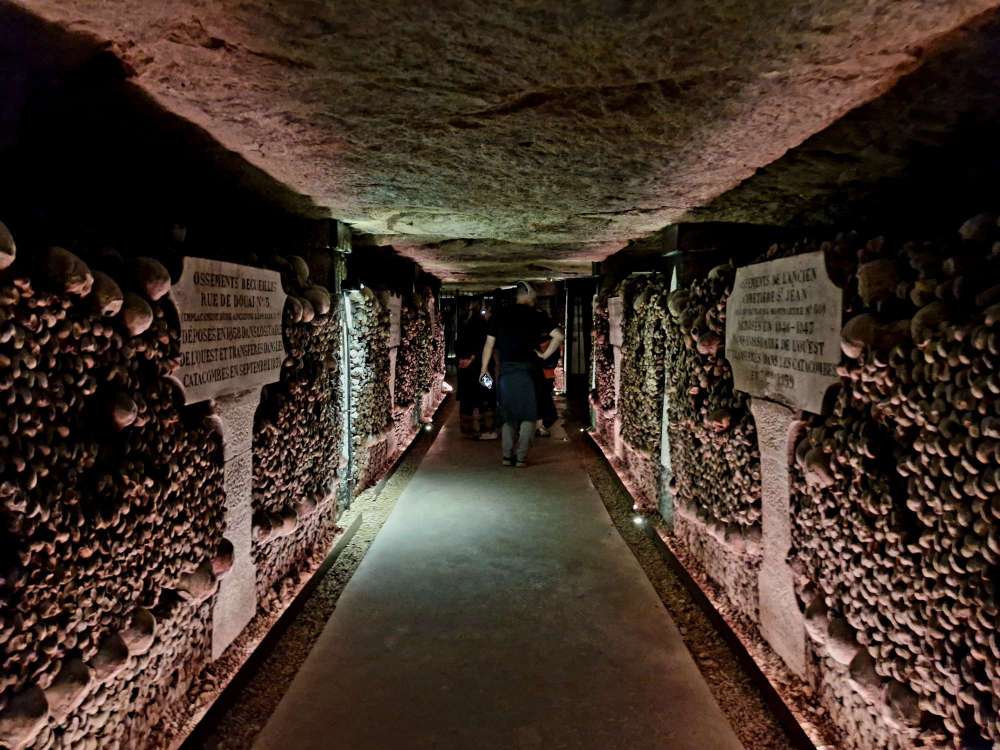
This comprehensive Paris Catacombs guide covers everything you need to plan your visit, including ticket prices, opening times, transport, what to wear, accessibility and what to expect inside.
Looking for more? Click here to read about the Bone Church in Kutna Hora.

The Catacombs are atmospheric, historically fascinating and genuinely unlike anywhere else in Paris. They are not, however, suitable for every visitor. The route includes hundreds of steps, uneven surfaces, narrow tunnels and dimly lit passages, so a little preparation will make your visit much more enjoyable.
Paris Catacombs Video
Paris Catacombs: essential information
Les Catacombes de Paris
Entrance address
1 Avenue du Colonel Henri Rol-Tanguy, 75014 Paris
Nearest station
Denfert-Rochereau
Opening days
Tuesday to Sunday
Opening hours
9:45am–8:30pm
Last admission 7:30pm
Closed Mondays, 1 January, 1 May and 25 December
Ticket prices
Adult ticket €31
Reduced ticket €25
Children aged 8–17 €15
Children under eight Free
Where to book tickets for Paris Catacombs
Paris Catacombs official website
Route length
Approximately 1.5 kilometres
Average visit time
Around 45–60 minutes underground
Temperature
Approximately 14°C
Steps
131 down and 112 up
Exit address
21 bis Avenue René-Coty
What are the Paris Catacombs?
The Paris Catacombs are an underground municipal ossuary constructed within a section of the city’s former limestone quarries.
The quarries were originally excavated to obtain the pale limestone used to build many of Paris’s churches, walls and historic buildings. As quarrying moved deeper underground, an extensive network of tunnels developed beneath the southern part of the city.
During the late 18th century, Paris faced serious problems with overcrowded cemeteries. Some burial grounds had been used for centuries, creating concerns about public health and unstable ground.
The authorities decided to transfer human remains from the cemeteries into abandoned quarries outside what was then the city boundary. The first transfers took place between 1785 and 1787 and involved remains from the enormous Saints-Innocents cemetery.
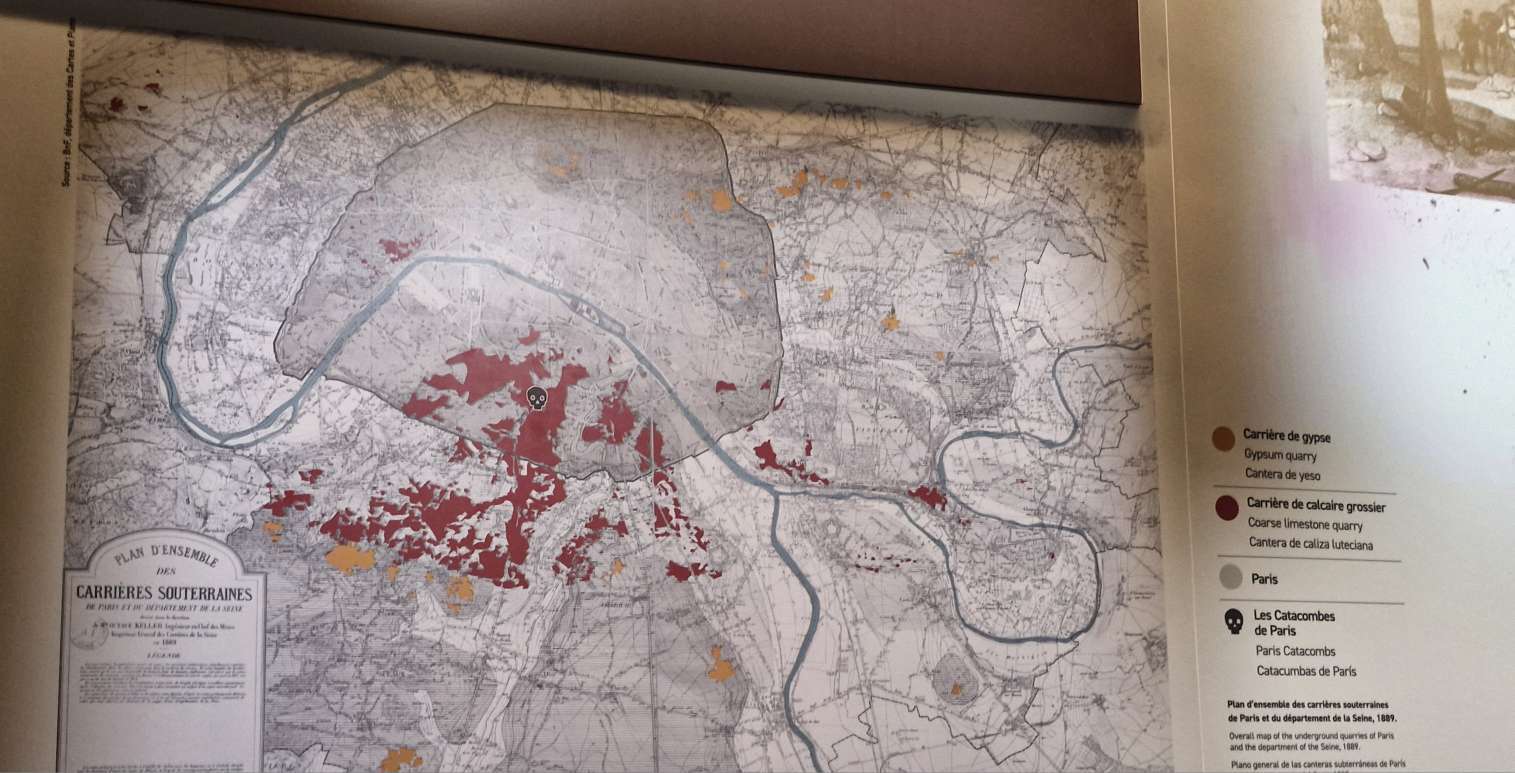
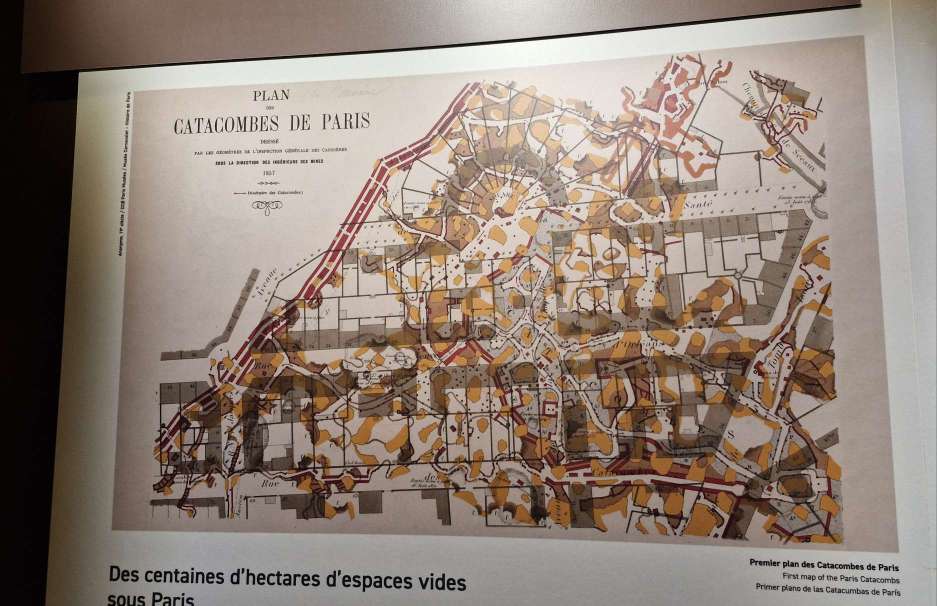
The underground site was consecrated as the Paris Municipal Ossuary on 7th April 1786. It became known as the Catacombs in reference to the ancient catacombs of Rome.
The ossuary opened to visitors by appointment in 1809, and the bones were reorganised into the carefully arranged walls and displays seen today.
Are the Paris Catacombs real?
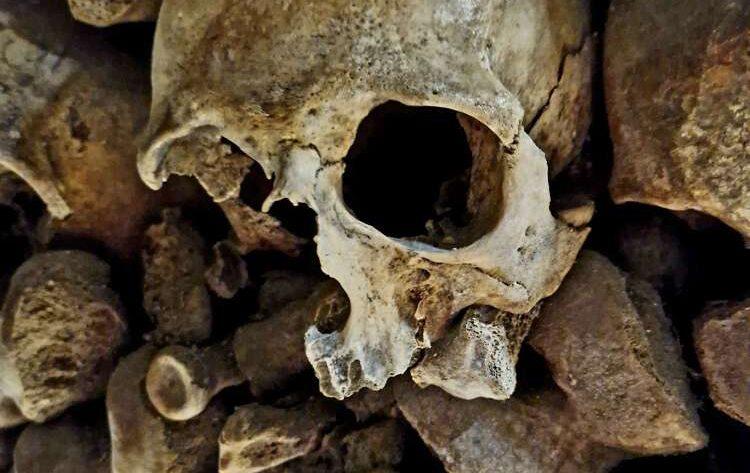
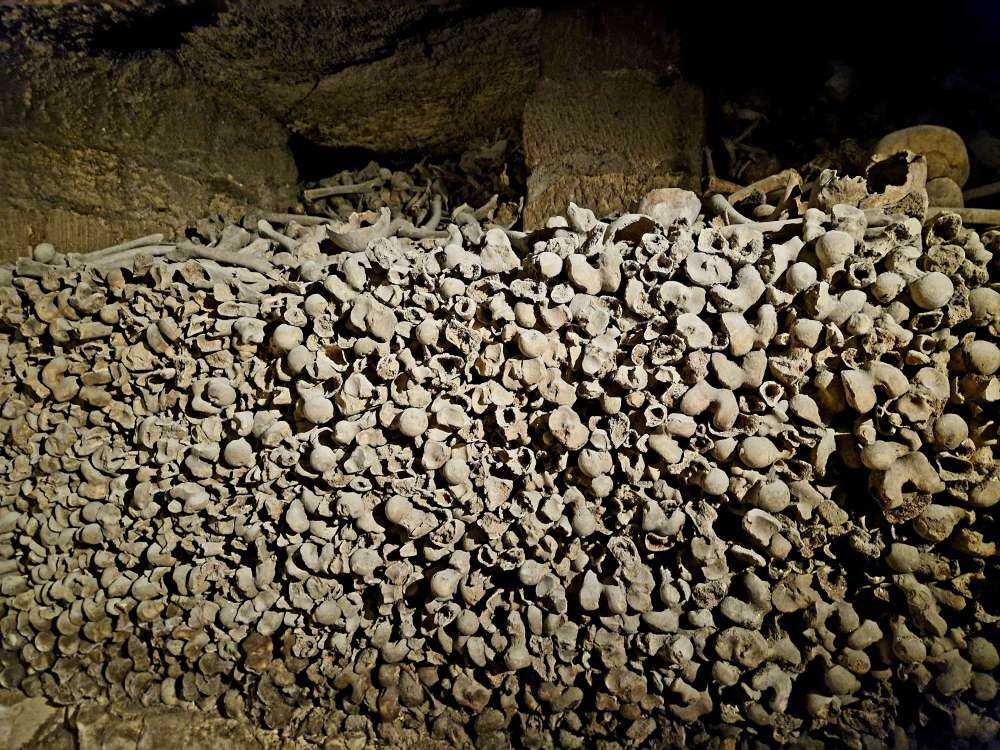
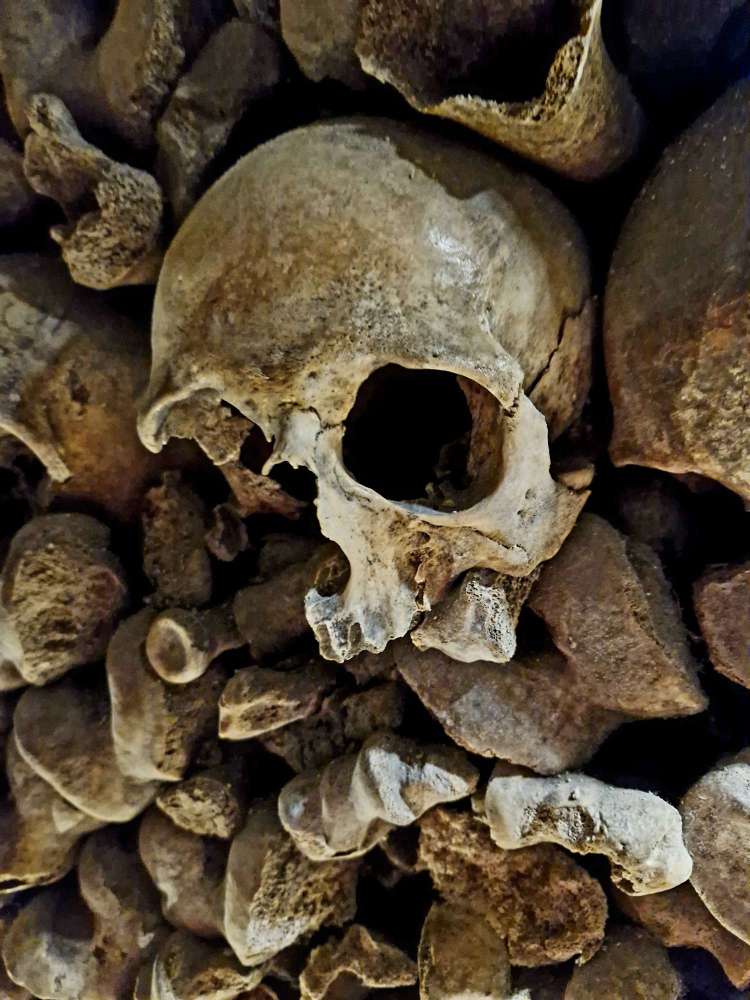
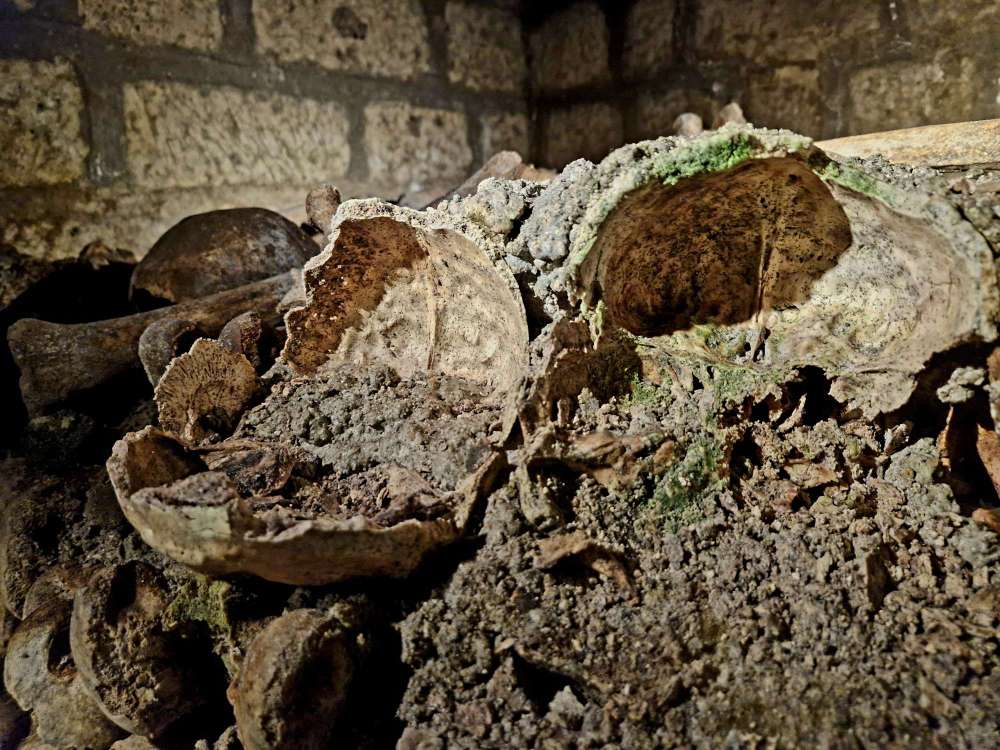
Yes. The skulls and bones displayed inside the Paris Catacombs are genuine human remains transferred from former Parisian cemeteries.
The public attraction covers only a small, managed section of the much larger network of quarries beneath Paris.
Visitors must treat the site as a burial place. Touching the bones is strictly prohibited, both to protect the fragile remains and to show respect for the people whose remains are held there.
Paris Catacombs tickets and prices
The 2026 individual admission prices are:
Full-price adult ticket: €31
Reduced ticket: €25
Children aged 8–17: €15
Children under eight: free
The standard paid tickets currently include an audio guide. Check the official booking page before purchasing, as prices and inclusions can change.
How far ahead can you book?
Official Paris Catacombs tickets are released for the next seven days only. This system is intended to reduce ticket fraud, so do not be alarmed when dates further ahead appear unavailable. A maximum of five tickets can currently be purchased in one order.
Paris Museums Ticketing
Popular weekend and holiday slots can disappear quickly. Check the official ticket system as soon as your preferred date enters the seven-day booking window.
Do you need to book the Paris Catacombs in advance?
Advance booking is strongly recommended. Visitor numbers are restricted, and the most convenient time slots can sell out.
A timed ticket should reduce your waiting time, but it does not necessarily mean walking directly inside. Security checks, capacity limits and the narrow stairways can still cause a short delay.
Aim to arrive around 15 minutes before your booked time.
Beware of unofficial ticket sellers
Book through the official Paris Musées ticketing system whenever possible. The Catacombs website also publishes a list of authorised ticket sellers.
Be cautious of websites advertising vaguely described “priority”, “fast-track” or “exclusive” tickets at heavily inflated prices.
Some guided tours may provide extra historical commentary or access to additional areas, but always check exactly what is included before paying.
Paris Catacombs opening times
The Paris Catacombs are normally open:
Tuesday to Sunday: 9:45am–8:30pm
Last admission: 7:30pm
They are closed every Monday and on:
1 January
1 May
25 December
The Catacombs are normally open on 14 July, 15 August, 1 November and 11 November.
Opening arrangements can change because of maintenance, industrial action, severe weather or conservation work. Check the official website shortly before travelling.
Best time to visit the Paris Catacombs
For the smoothest experience, choose one of the earliest available weekday time slots.
Tuesday, Wednesday and Thursday mornings are generally sensible choices when planning a Paris itinerary. Weekends, school holidays and midday periods are more likely to attract visitors, although timed entry helps control the number of people underground.
An evening visit can feel wonderfully atmospheric, but remember that it is permanently dark underground. The main difference is that you will emerge into Paris later in the day rather than seeing a gloomier version of the tunnels.
Allow around 90 minutes in your itinerary. The actual underground route usually takes 45–60 minutes, but you should also account for ticket checks, security, the stairways and time in the shop.
How to get to the Paris Catacombs
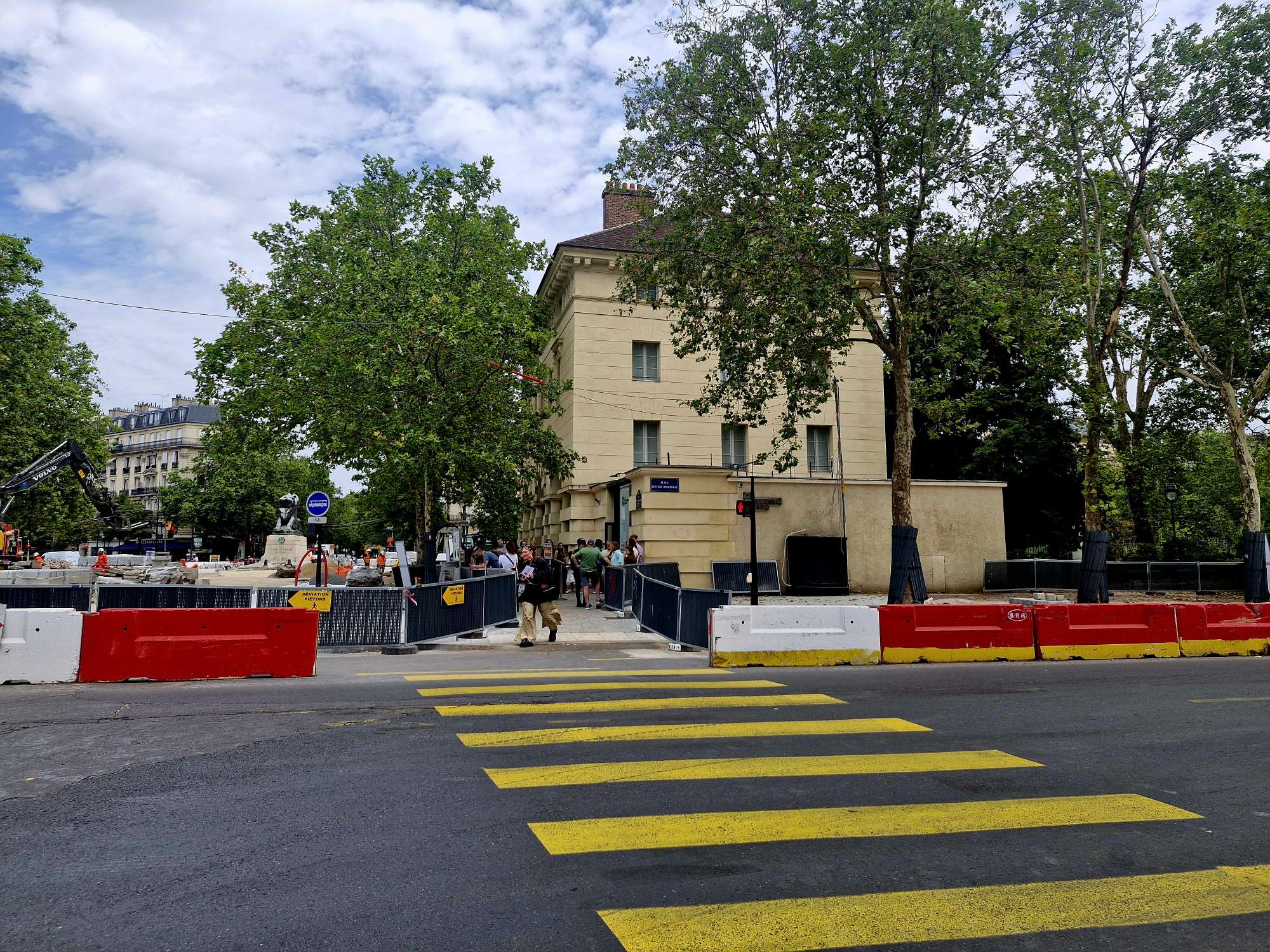
The visitor entrance is on Place Denfert-Rochereau in the 14th arrondissement:
1 Avenue du Colonel Henri Rol-Tanguy
75014 Paris
The closest public transport stop is Denfert-Rochereau.
By Metro
Denfert-Rochereau is served by:
Metro Line 4
Metro Line 6
Line 4 is particularly convenient when travelling from central Paris, including areas around Saint-Germain-des-Prés, Châtelet and Gare du Nord.
Line 6 connects Denfert-Rochereau with areas including Montparnasse, Place d’Italie, Trocadéro and the Arc de Triomphe.
By RER
RER Line B stops at Denfert-Rochereau.
This can be convenient when travelling from Gare du Nord, Châtelet–Les Halles or parts of southern Paris. It also connects with both Charles de Gaulle and Orly airport routes, although engineering work and service alterations are fairly common.
Check live RATP information before travelling, particularly during summer when major maintenance projects often take place.
By bus
Bus routes 38 and 68 stop near the Catacombs entrance.
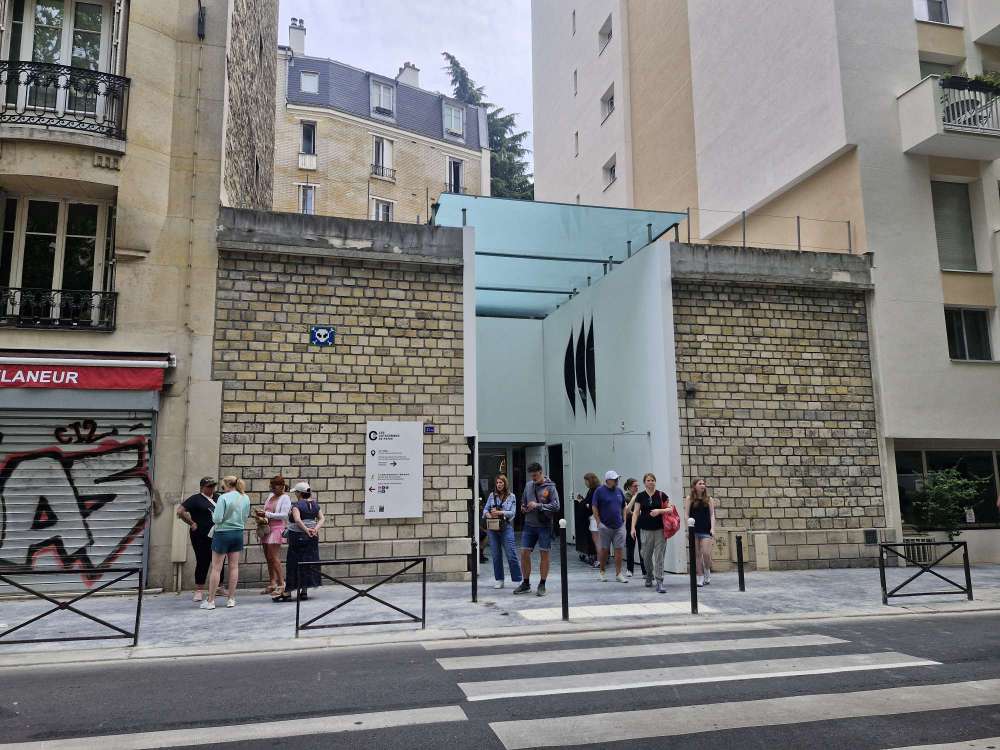
Finding the entrance
Look for signs marked Les Catacombes de Paris and the organised entrance queue. Do not accidentally head straight to Avenue René-Coty: that is where visitors come out.
The entrance and exit are in different places
One easily overlooked detail is that the Catacombs route is one-way.
You enter at:
1 Avenue du Colonel Henri Rol-Tanguy
You exit at:
21 bis Avenue René-Coty
The exit is approximately 700 metres from the entrance. You cannot return through the underground route to collect luggage, meet someone or retrieve an item left near the ticket office.
Arrange a precise meeting point when visiting with anyone who is not entering the Catacombs.
What to expect inside the Paris Catacombs
Descending beneath Paris
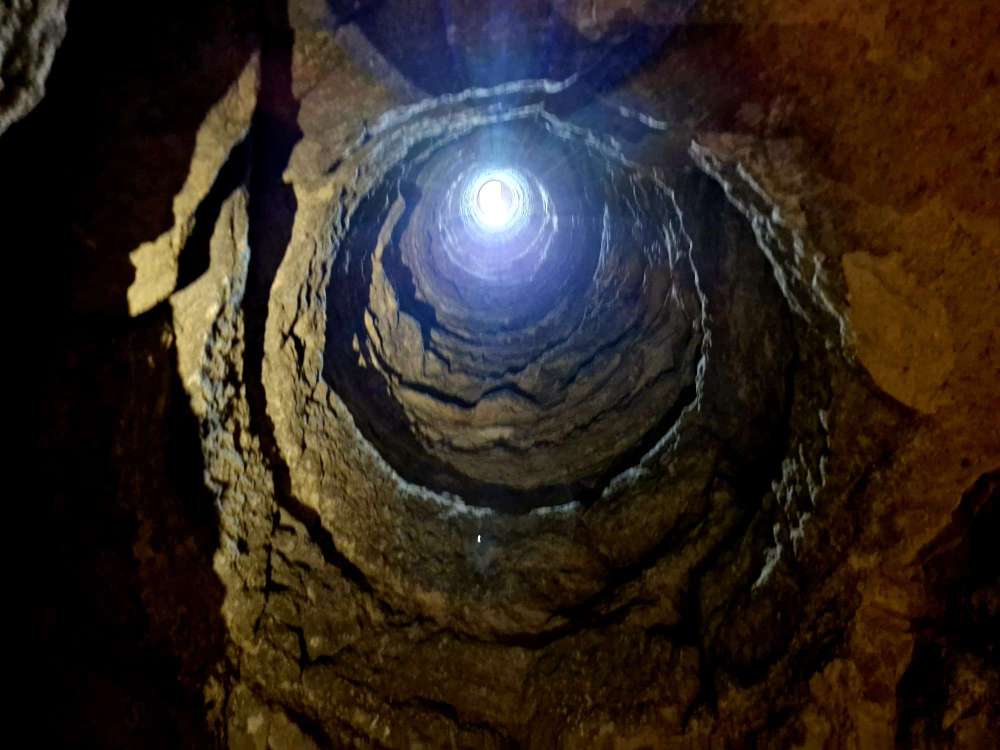
Your visit begins with a descent of 131 steps on a spiral staircase.
At around 20 metres below street level, the Catacombs are roughly as deep as a five-storey building is tall. The staircase can feel tight and repetitive, so take your time and use the handrail.
Once underground, you enter the former quarry galleries. The first part of the route explains the geology of Paris, the limestone beds and the history of quarrying.
These layers of rock were formed tens of millions of years ago, when the Paris region was covered by a tropical sea. Fossils and signs of the city’s geological history remain visible within the stone.
Walking through the quarry tunnels
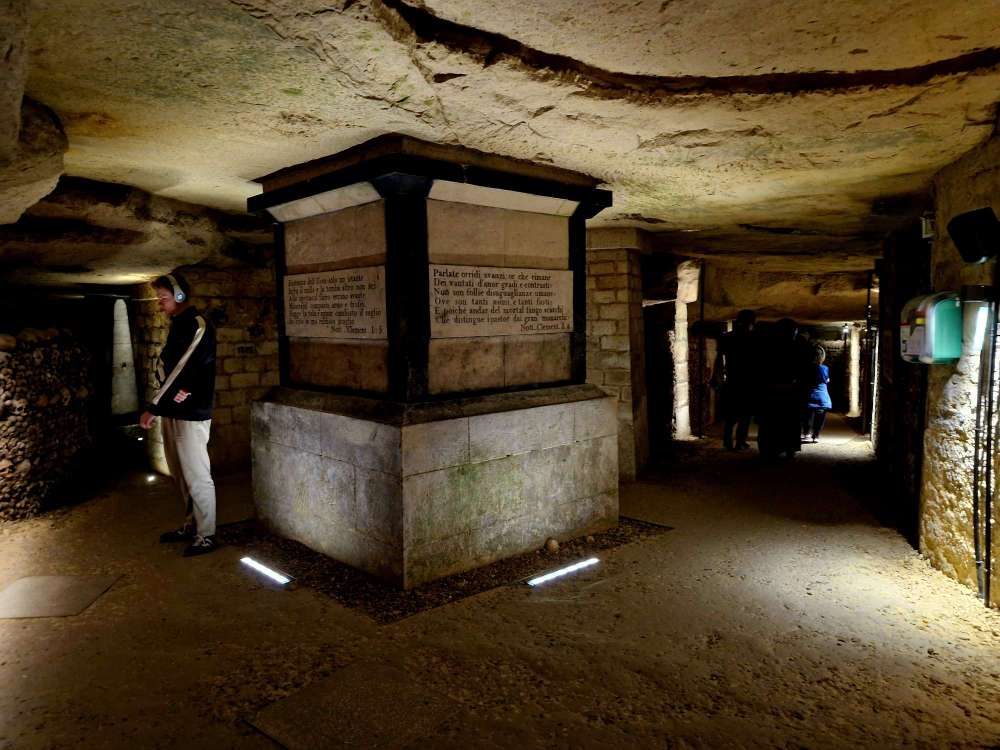
The route continues through narrow passages with rough stone walls, low ceilings and uneven floors.
This section helps visitors understand that the Catacombs were not originally constructed as burial tunnels. They were working quarries that were later stabilised and adapted to house human remains.
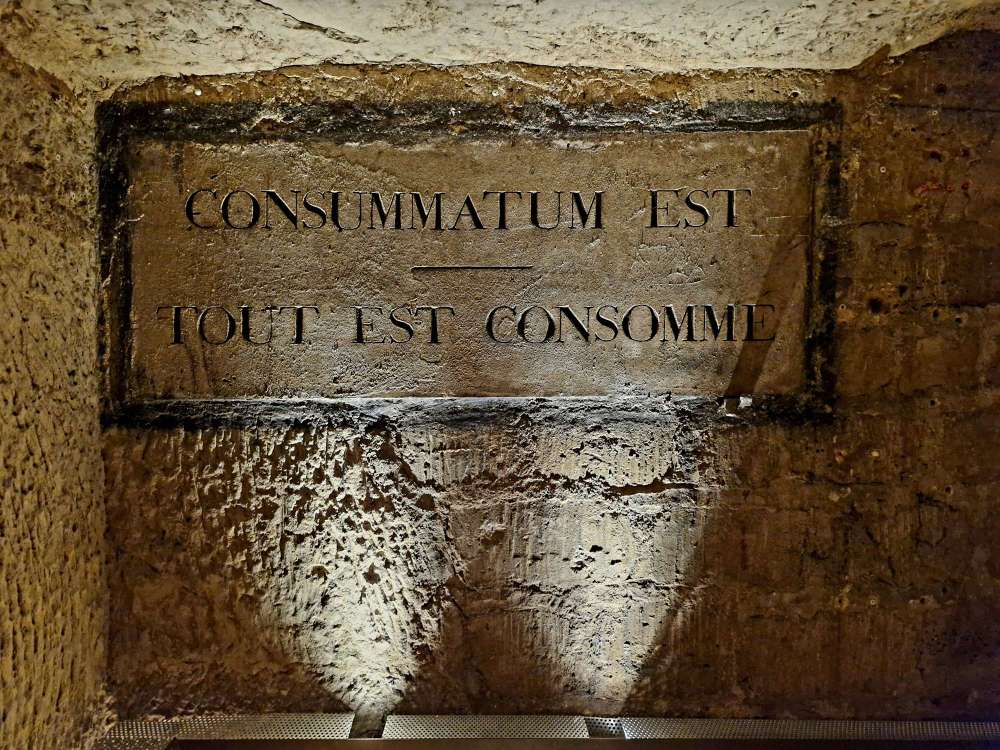
Look for inscriptions cut into the walls. These include quarry markings, dates and references to the streets running far above your head.
Entering the ossuary
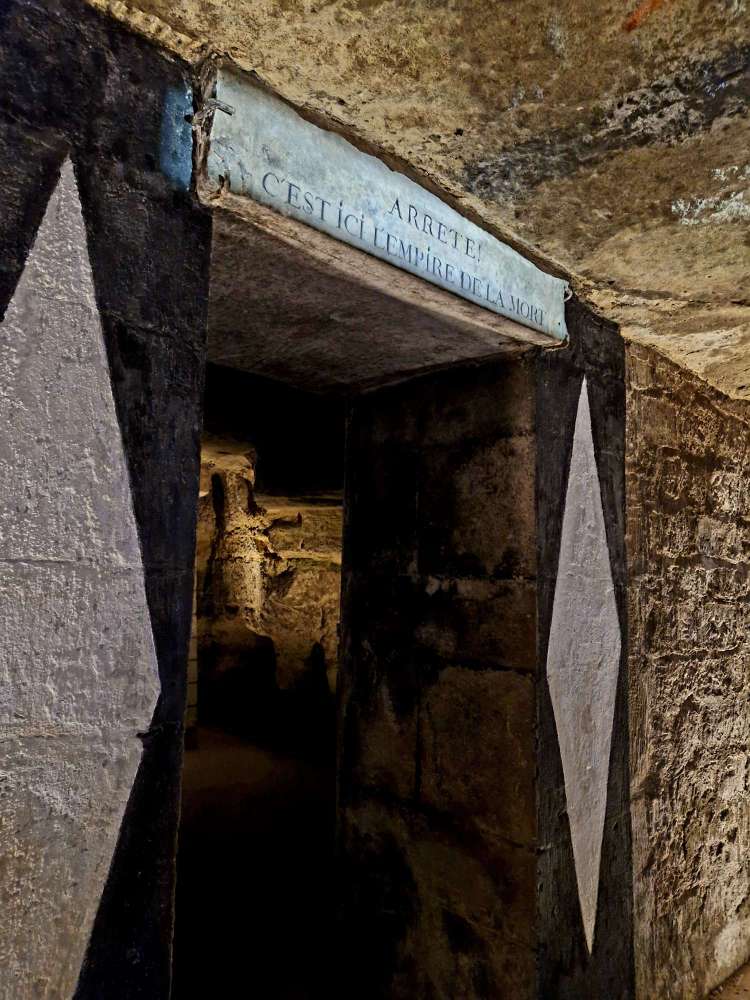
The most famous moment arrives at the entrance to the ossuary, where an inscription reads:
“Arrête! C’est ici l’empire de la Mort.”
This translates as:
“Stop! This is the empire of Death.”
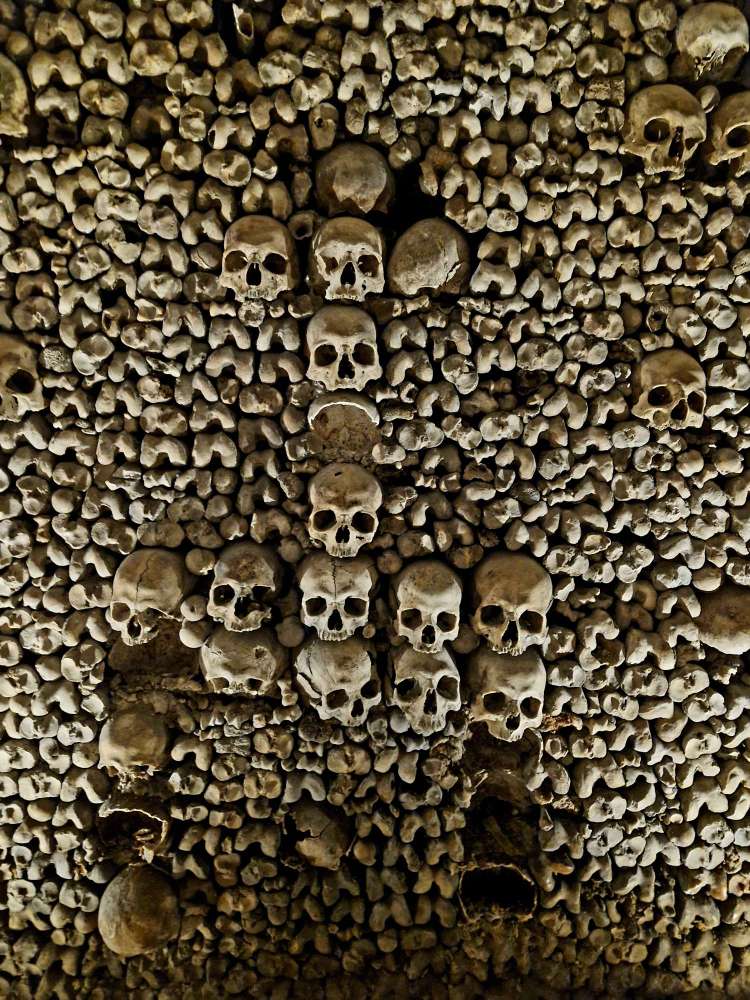
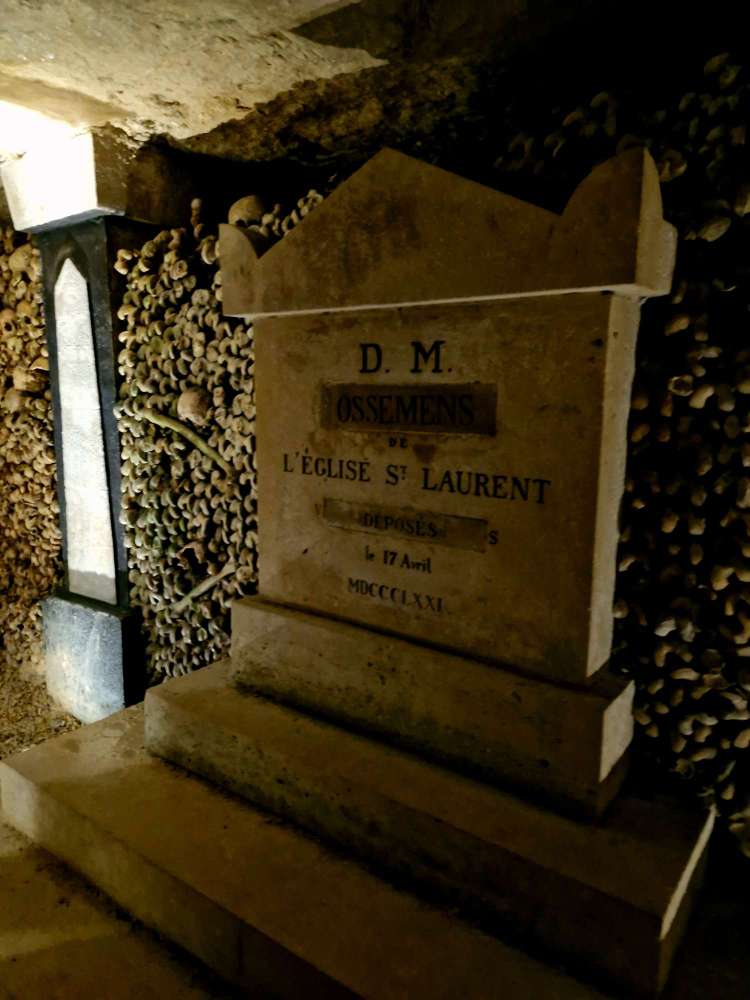
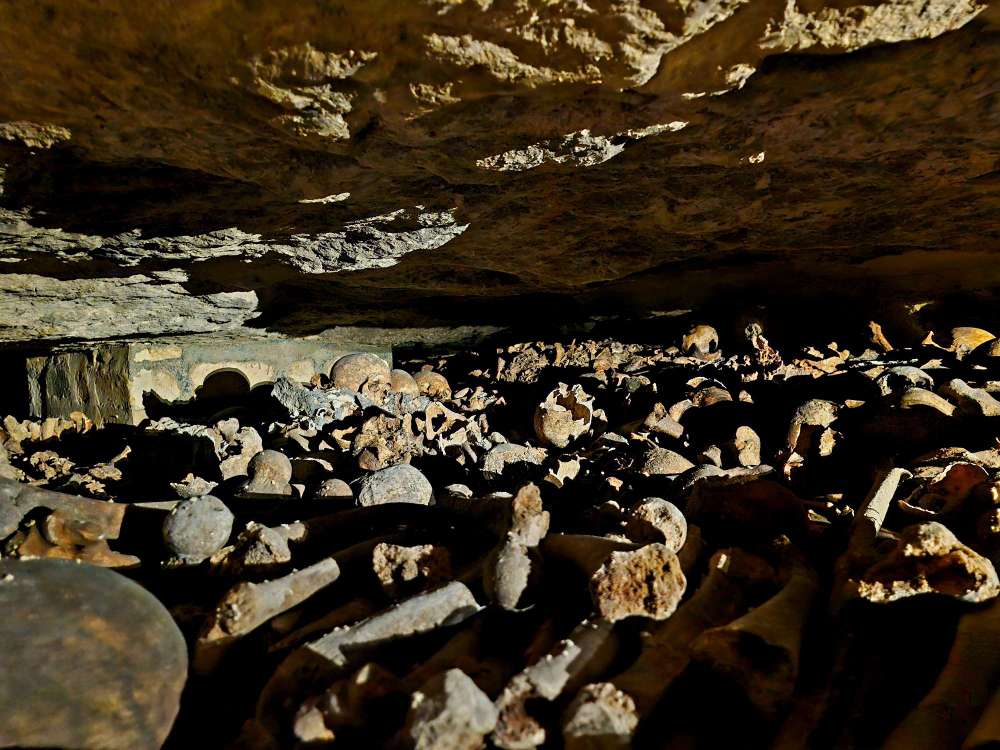
Beyond the entrance are long walls of skulls, femurs and other bones arranged into geometric patterns. Behind the carefully constructed outer walls are large quantities of loosely stacked remains.
The experience is eerie, but it is not designed as a haunted attraction. The plaques, poetry and carefully arranged displays encourage visitors to reflect on mortality, memory and the history of Paris.
Leaving the Catacombs
The route finishes with a climb of 112 steps.
The exit staircase can feel more tiring than the descent, particularly after walking over the uneven underground floor. Once outside, you will emerge on Avenue René-Coty rather than back at Place Denfert-Rochereau.
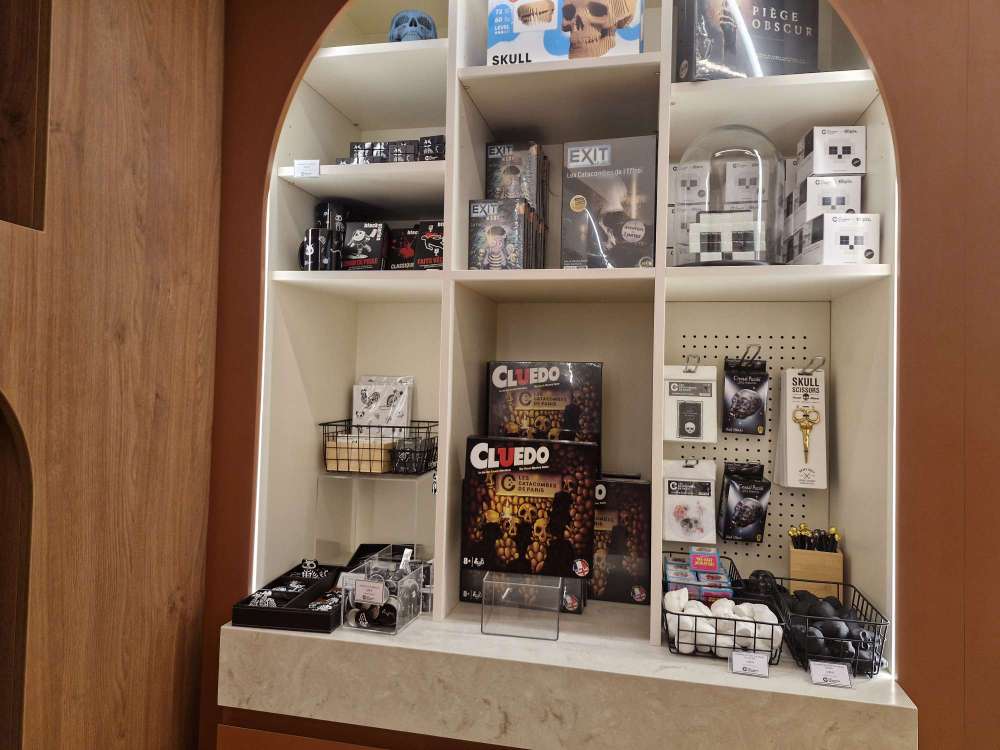
There are toilets and a gift and bookshop around the end of the visitor route.
How long does it take to visit the Paris Catacombs?
The underground visitor circuit is approximately 1.5 kilometres long.
Most people spend between 45 minutes and one hour inside. Visitors who listen closely to the complete audio guide or stop to examine the inscriptions may need slightly longer.
The official information varies slightly between a 45-minute visit and an hour-long circuit, so allow up to 90 minutes from arrival to leaving the shop.
How many steps are in the Paris Catacombs?
There are 243 steps in total:
131 steps down
112 steps up
There is no lift connecting the street with the underground route.
What is the temperature inside?
The Catacombs maintain an average temperature of approximately 14°C throughout the year.
The air can also feel humid. Even when Paris is baking in summer, the underground tunnels can be surprisingly chilly. In winter, the temperature difference may be less dramatic, but standing outside before entry can still be cold.
What to wear to the Paris Catacombs
Wear comfortable, closed-toe shoes with a reliable grip.
The floor can be damp, slippery and with puddles.
Fashionable shoes with smooth soles are a poor choice. This is one Paris attraction where sturdy trainers beat elegant footwear every time.
Bring a light jumper, cardigan or jacket, even during summer. Layers are useful because you may wait outside in warm weather before descending into the cool tunnels.
Avoid clothing or bags that drag against the walls. Visitors must carry permitted bags in front of the body or at their side to prevent accidental contact with the bones.
Paris Catacombs bag policy
Suitcases, large backpacks, motorcycle helmets and bulky bags are not permitted.
Bags must measure no more than 40 × 30 × 20 centimetres. They must be carried by hand, held at your side or worn on the front of your body.
There is no cloakroom or luggage storage at the attraction. This rule is especially important for anyone visiting between checking out of a hotel and catching a train or flight. Leave luggage at your accommodation or use a reputable storage facility before enterjng.
Photography inside the Paris Catacombs
Photography for private use is allowed. Remember that the Catacombs contain human remains. Keep photography respectful.
Other visitor rules
Eating, drinking, smoking and consuming alcohol are prohibited inside the Catacombs.
Animals are not permitted, apart from eligible guide dogs.
Visitors must remain on the authorised route and follow instructions from staff.
Do not attempt to remove a bone.
Bags may be checked at the exit, and taking human remains is both deeply disrespectful and potentially a criminal matter.
Accessibility
The Paris Catacombs are not wheelchair accessible.
The attraction includes spiral staircases, narrow corridors, uneven and slippery surfaces, low lighting and no lift. The official guidance does not recommend the visit for people with significant mobility difficulties or those with cardiac or respiratory conditions.
The experience may also be unsuitable for visitors with severe claustrophobia.
Although the main route is not constantly cramped, it remains an enclosed underground environment with no opportunity to turn back once the one-way circuit has begun.
Can children visit the Paris Catacombs?
Children may visit, but those under 14 must be accompanied by an adult.
The official family guidance suggests that the experience is most suitable from around the age of ten. Parents should consider whether their child will be comfortable with real human skulls and bones and dark passages.
Children under eight receive free admission, but that does not necessarily mean the attraction will suit every young child.
Prams and buggies are not allowed. Parents visiting with a baby must use a carrier.
Is the Paris Catacombs audio guide worth using?
Yes, particularly when visiting without a guide.
The displays explain parts of the site, but the audio guide adds context about the quarries, cemetery transfers, geological features and arrangement of the ossuary.
Audio guides are available in English, French, Spanish and German.
Is visiting the Paris Catacombs scary?
The Catacombs are unsettling rather than frightening. There are no actors jumping from behind walls, theatrical sound effects or deliberately staged scares. The atmosphere comes from knowing that the walls contain genuine human remains and that you are walking deep beneath a busy modern city.
People who dislike skeletons, enclosed spaces or underground environments may find the visit uncomfortable. For others, it is a calm and thought-provoking historical experience.
Is visiting the Paris Catacombs worth it?
The Paris Catacombs are worth visiting for travellers interested in unusual attractions, history, archaeology, geology or the hidden side of Paris.
The entrance price is relatively high for an attraction lasting around one hour, but there is nowhere else in the city quite like it. The combination of former quarries, carefully arranged human remains and the contrast with Paris above ground makes the experience memorable.
It may not be worthwhile for visitors with limited time who are more interested in traditional art museums, architecture or panoramic views. It is also unsuitable for anyone who cannot comfortably manage the stairs and uneven route.
Where to eat near the Paris Catacombs
After emerging onto Avenue René-Coty, walk towards Rue Daguerre, one of the most enjoyable food streets in the 14th arrondissement.
Much of Rue Daguerre is pedestrianised, with bakeries, cheesemongers, food shops, cafés, wine merchants and restaurant terraces.
Things to do near the Paris Catacombs
Montparnasse Cemetery
Montparnasse Cemetery is within walking distance and is free to visit. It opened in 1824 and contains the graves of figures including Charles Baudelaire, Jean-Paul Sartre, Simone de Beauvoir, Guy de Maupassant and architect Charles Garnier.
Combining an ossuary with a cemetery may be a little too death-themed for some itineraries, but it creates a fascinating day for anyone interested in Parisian history.
Rue Daguerre
Explore the bakeries, cafés and food shops along this lively market street. It is ideal for lunch or picking up picnic supplies.
Parc Montsouris
For a complete change of atmosphere, head south-east to Parc Montsouris. Its lawns, trees and lake provide a welcome dose of daylight after an hour underground.
Luxembourg Gardens
The Luxembourg Gardens can be reached by public transport or a longer walk north. They are a pleasant place to relax after visiting the Catacombs.
Suggested half-day Paris Catacombs itinerary
9:30am: Arrive at Denfert-Rochereau
9:45am: Enter the Paris Catacombs
11am: Exit onto Avenue René-Coty
11:15am: Walk along Rue Daguerre
12pm: Stop for lunch or buy picnic supplies
1:30pm: Visit Montparnasse Cemetery or continue towards Luxembourg Gardens
This itinerary keeps the underground visit early, leaving the rest of the day free for exploring southern Paris.
Essential Paris Catacombs tips
Book through the official ticket system as soon as your date becomes available.
Choose an early weekday time slot when possible.
Leave suitcases and large backpacks elsewhere.
Wear closed shoes with good grip.
Bring a light layer because the temperature is around 14°C.
Use the toilet before entering, although facilities are available around the entrance and exit.
Remember that the entrance and exit are in different streets.
Do not touch the bones.
Keep photography discreet and respectful.
Allow around 90 minutes in your itinerary.
Check RATP service information before travelling.
Arrange a clear meeting point when separating from anyone not entering.
Final thoughts
Visiting the Paris Catacombs reveals a side of the French capital that is easy to forget while admiring its boulevards, museums and café terraces.
The experience is more than a display of skulls. It tells the story of the stone used to build Paris, the cemeteries that could no longer cope with the growing population and the changing ways in which the city has treated and remembered its dead.
Book ahead, travel light, wear sensible shoes and take time to look beyond the famous walls of bones. The geology, quarry markings and history of the tunnels are every bit as fascinating as the ossuary itself.