
 Foodie Lass
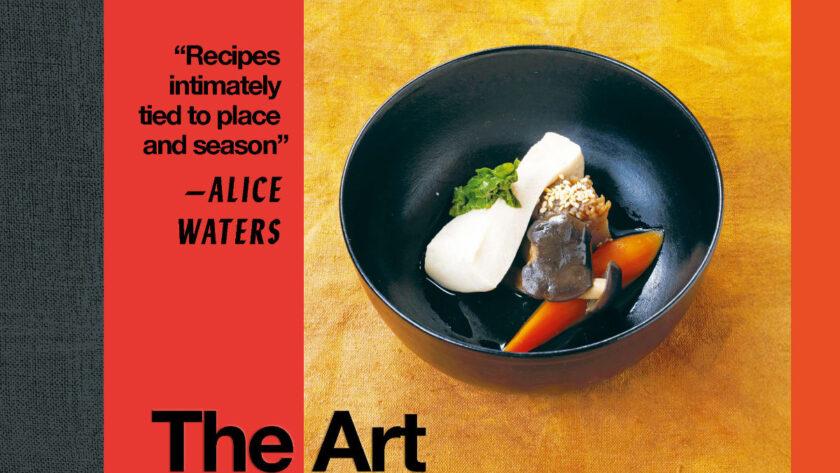
 The Art and Craft of Japanese Cooking by Nancy Singleton Hachisu
I have always shied away from Japanese cooking but after reading this inspiring cookery book by Nancy Singleton Hachisu it has made me consider trying a few simple dishes in my own kitchen at home.
Part one of this inspirational cookery book gives you the backstories of Regional Artisans from Japan.
Here are a few examples:
Fisherman’s wives and sea greens
Iron tea kettle production
Mill production in Japan
Production of potato flour
Sour plum farmer
Japanese Miso
Japanese pottery
Japanese malt whisky
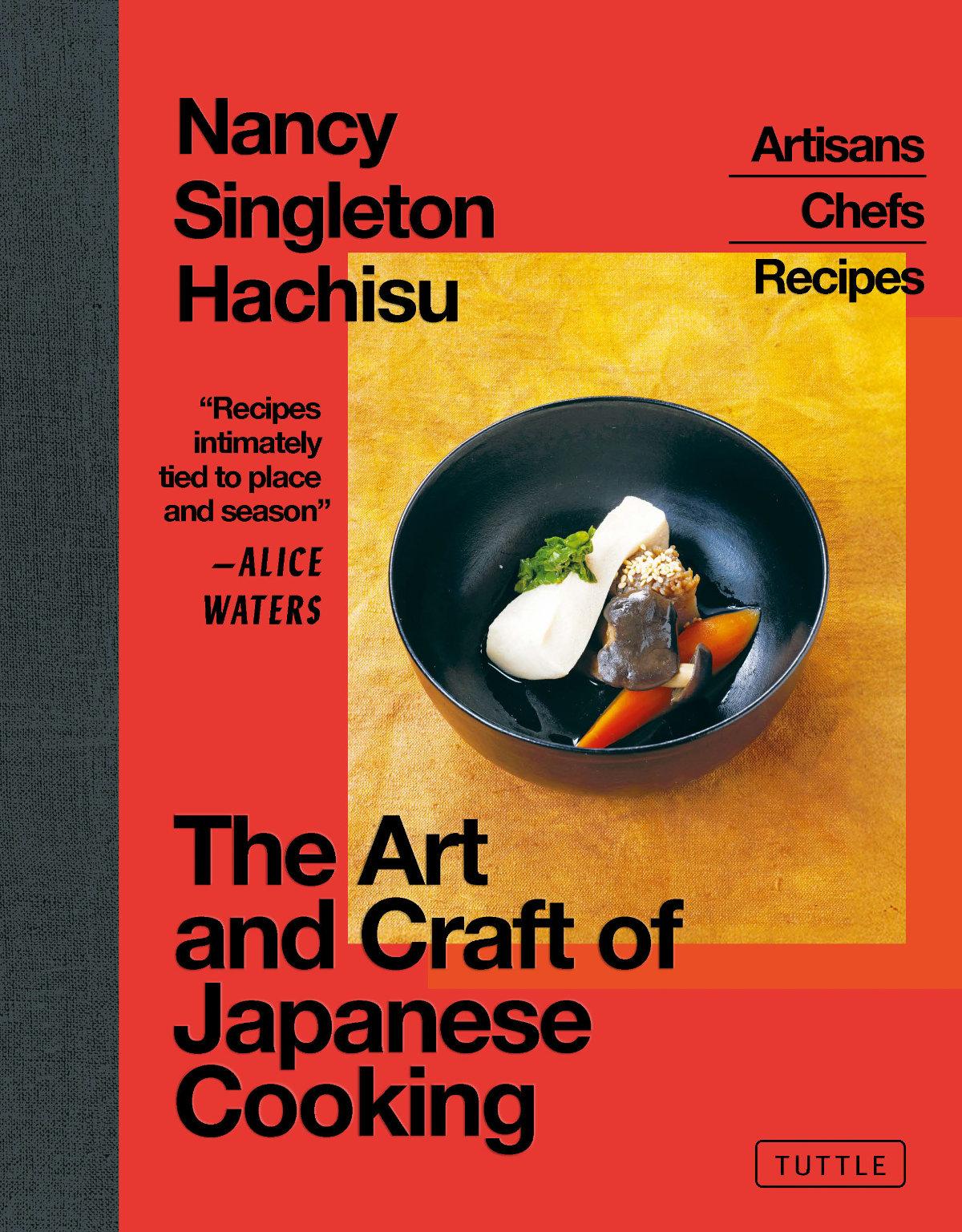
The reader can then choose from 140 recipes produced by Japanese chefs using local seasonal ingredients. On reading a few of the recipes I came across this delightful quote which for me just summed up the particular style of Japanese cooking and culture: The philosophy of “less is more” is representative of Japan’s overall cultural approach to food. There is a saying “Hara hachi bu me ni isha”, meaning if you always only fill your stomach 80 per cent, then you will never need a doctor.
The Art and Craft of Japanese Cooking is for all foodies who have an intense interest in food and culture plus a desire to learn about seasonal ingredients, and traditions that the author and the Japanese chefs are striving to preserve.
Here is a recipe from the cookery book giving a real example of Japanese ingredients, including Yuzo Miso and Sake. This recipe is by the chef Kazunari Nakamura from La Bonne Table in Tokyo who delivers every recipe in a Japanese classical style.
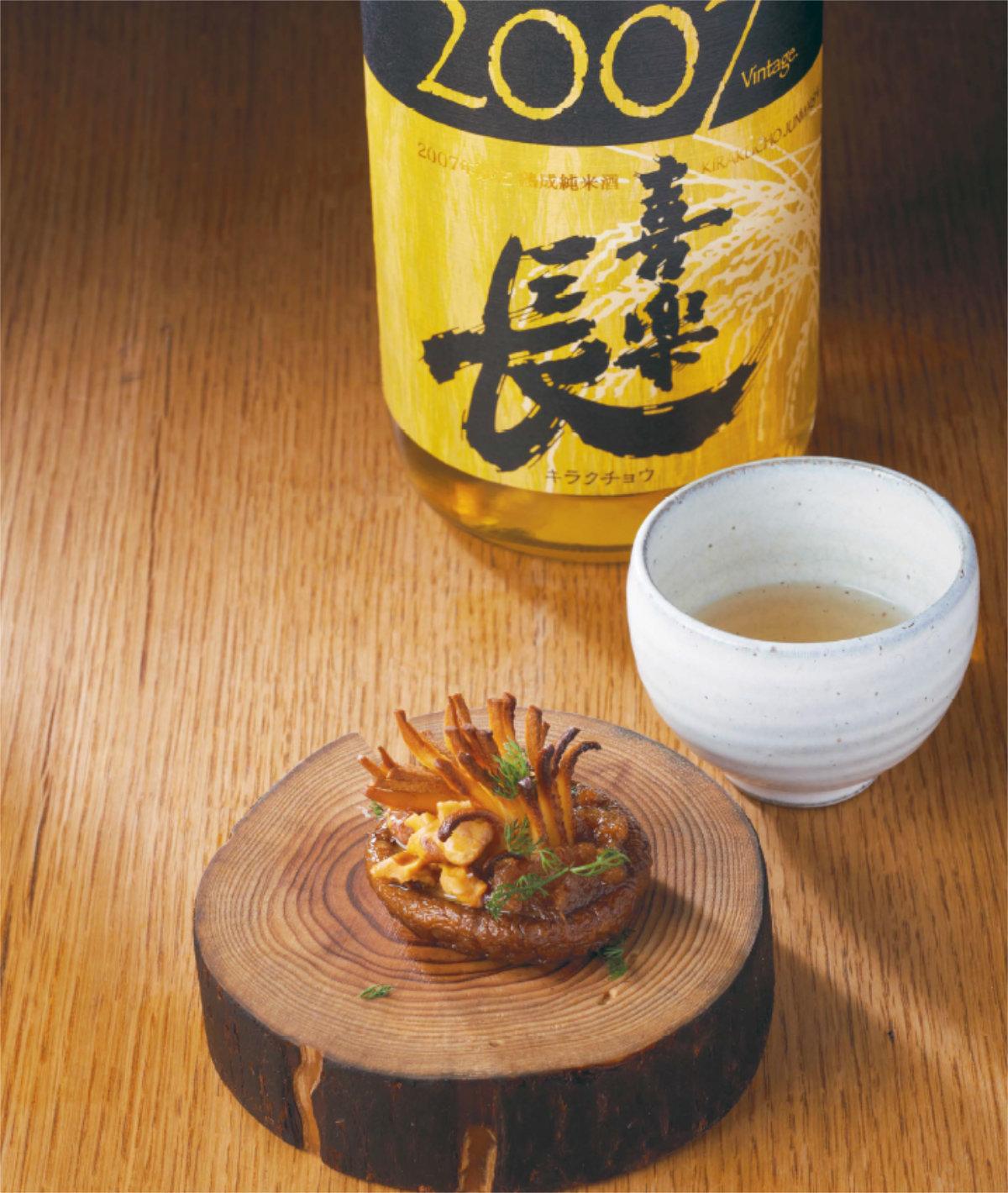
Roasted Shitake Stuffed with Yuzu Miso, Onion and Walnuts (adapted from The Art of Japanese Cooking)
Serves 4
Yuzo Miso
3 medium yuzu or 2 small round lemons
4 1/2 oz (125g) brown rice
3 tablespoons finely chopped peanuts
4 large shitake
2 tablespoons extra-virgin olive oil, plus extra for roasting
6 tablespoons finely chopped onion
2 tablespoons finely chopped walnuts
2 small sprigs of yarrow leaves(or substitute dill)
To make the Yuze Miso, slice off about 10 % of each yuzu stem end to expose the flesh inside and create a lid. Slide a spoon around the yuzu between the skin and the flesh to dislodge. Scoop out all the flesh and membrane and place ina small piece of cheesecloth. Twist up the ends and squeeze the juice into a small bowl.
Drop the miso, peanuts and yuzu juice into a small food processor and pulse to a smooth paste. Stuff the mixture back into the 3 hollowed out yuzu, mounding the miso up outside the yuzu, and replace the stem end “caps” .Wrap each yuzu in a piece of gauzy cheesecloth, gather the cloth ends up and tie like a balloon with kitchen twine. Hang outside under the eaves away from direct sunlight to dry for 45 days.
Spoon the mixture from all of the yuzu into a small container and discard the tough hollowed-out yuzu. The mixture keeps for several months, if stored in the refrigerator.
Pare off the tips of the shitake stems. With the stems upright, use a sharp knife to finely slice the stems into fine strands that remain attached to the cap.
Heat the olive oil in a small frying pan over a low heat. Once warm, scrape in the onion and slowly saute for about 5 minutes, stirring occasionally, until translucent, golden and confit-like.
Preheat the oven to 500 degrees F (260 degrees C). Arrange the shitake, cap-side down, on a lightly oiled oven pan and roast for 3 minutes in the middle of the oven. Smash a spoonful of yuzu miso into one-third of each roasted shitake cap. Scraping it with a small spoon from the stem to the cap. Scrape a spoonful of onion confit into another third of each cap, and walnuts into the remaining third. Roast again for 5-6 minutes. If not browned or sizzling sufficiently, cook under the broiler for an additional 1 minute.
Sprinkle each shitake with a pinch of yarrow and serve 1 per person, burning hot as an appetizer.
The Art of Japanese Cooking is published by Tuttle Publishing (www.tuttlepublishing.com), photography by Kenta Izumi and Kenji Miura. Available from all the usual book outlets.