
 Emma Mykytyn
 What Are EES and ETIAS? A Simple Guide for UK Travellers Visiting Europe
If you are planning a trip to Europe, there are two new travel systems you need to know about: EES and ETIAS.
These new rules affect many UK travellers visiting Europe for holidays, city breaks, cruises, and food trips. While the names sound confusing, the idea is actually quite simple.
In this guide, we explain what EES is, what ETIAS is, how they work, when they start, and what UK travellers need to do before visiting Europe.
What is EES?
EES stands for Entry/Exit System.
It is a new digital border system for non-EU travellers entering and leaving the Schengen Area. This includes UK passport holders travelling for short stays.
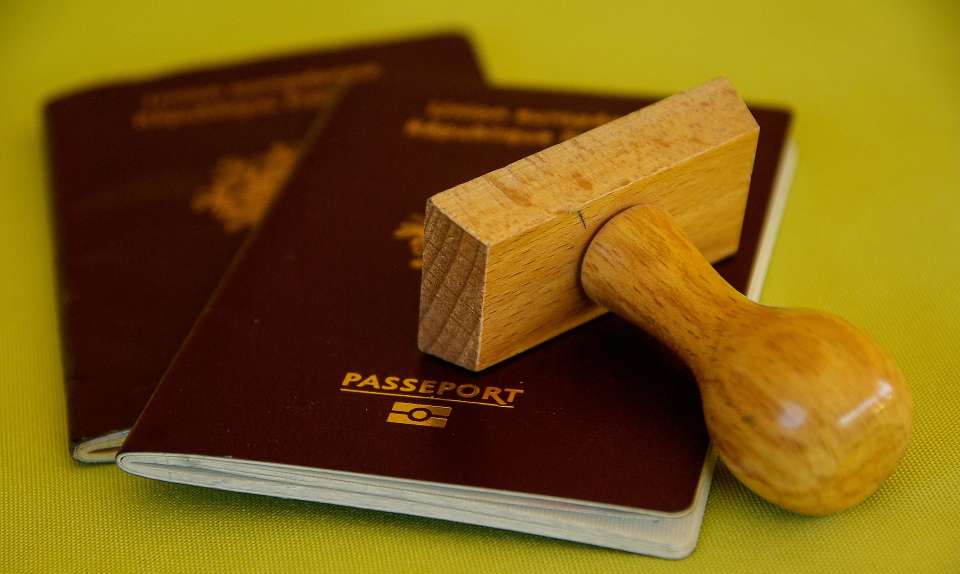
Instead of having your passport stamped, your details will be recorded electronically.
This can include:
- Your passport details
- Your date and place of entry or exit
- A facial image
- Fingerprint scans
The aim is to make border checks more modern and to help track how long travellers stay in Europe.
Do UK travellers need EES?
Yes, most UK travellers visiting the Schengen Area for short stays will be covered by EES.
A short stay usually means up to 90 days within any 180-day period.
You do not need to apply for EES before travelling. Registration happens when you arrive at the border.
How does EES work?
When you first travel to a country using the EES system, you may need to:
- Show your passport at border control
- Have your photo taken
- Provide fingerprints
After this, your entry and exit from the Schengen Area will be recorded digitally instead of with a passport stamp.
This helps border staff check that visitors are following the 90/180 day rule.
When does EES start?
EES started rolling out in April 2026 and is expected to be fully in place by September 2026.
As it is being introduced in stages, some airports, ports, and border crossings may take longer to get used to the new system.
Will EES cause delays?
It might do, especially in the early months.
Travellers may face:
- Longer queues at passport control
- Extra waiting time for first-time biometric checks
- Delays during school holidays, weekends, and busy travel periods
If you are travelling soon, it is a good idea to allow extra time at the airport, train station, or port.
Which countries use EES?
EES applies to travel to countries in the Schengen Area.
These include popular destinations such as:
- France
- Spain
- Italy
- Portugal
- Greece
- Germany
- Malta
- Netherlands
- Austria
- Sweden
It also applies to other Schengen countries.
Ireland and Cyprus are not in the Schengen Area, so EES does not apply for travel there.
What is ETIAS?
ETIAS stands for European Travel Information and Authorisation System.
This is a separate system from EES.
ETIAS is an online travel authorisation that UK travellers will need before visiting many European countries for a short stay.
It is not a visa, but you will still need to apply online before travelling.
Do UK travellers need ETIAS?
Yes, once ETIAS launches, UK travellers visiting Schengen countries for short stays will usually need it.
This will also apply to travel to Cyprus.
If you do not have a valid ETIAS when it becomes required, you may be refused boarding or entry.
How does ETIAS work?
Before your trip, you will need to complete an online application.
This will usually ask for:
- Your passport details
- Your personal information
- Answers to security questions
Once approved, the ETIAS authorisation will be linked digitally to your passport.
How much will ETIAS cost?
The expected ETIAS fee is around €20, which is about £17.
It is expected to be free for:
- Travellers under 18
- Travellers aged over 70
How long is ETIAS valid for?
ETIAS is expected to last for 3 years, or until your passport expires, whichever comes first.
You will be able to use it for multiple trips during that time.
When does ETIAS start?
ETIAS is expected to launch in late 2026, with full use likely after that. Exact dates may still change, so travellers should keep checking for updates before booking or travelling.
EES vs ETIAS: what is the difference?
Here is the simple version:
- EES happens at the border when you arrive or leave
- ETIAS is something you do online before you travel
So, EES is about recording your trip, while ETIAS is about getting permission to travel in advance.
Do you need EES or ETIAS for Ireland?
No. Ireland is not part of the Schengen Area, so UK travellers do not need EES or ETIAS to visit Ireland.
Do you need EES or ETIAS for Cyprus?
EES does not apply to Cyprus.
ETIAS is expected to apply to Cyprus once the system launches.
Travel tips for UK travellers visiting Europe
If you are planning a holiday to Europe, here are a few simple tips:
- Check if your destination is in the Schengen Area
- Allow extra time at border control
- Keep an eye on how many days you have spent in Europe
- Make sure your passport is valid
- Apply for ETIAS in advance once it becomes available
Final thoughts
The new EES and ETIAS rules might sound complicated at first, but they are manageable once you know the difference.
EES is the new border check system that records your entry and exit digitally.
ETIAS is the online travel permission you will need before visiting many countries in Europe.
If you are a UK traveller planning a European break, it is worth understanding both systems now so there are no surprises when you travel.