
Harry Maitey: The Hawaiian Who Ended Up on Berlin’s Peacock Island
It’s the 1820’s and you are teenager leaving Hawaii and sailing halfway around the world and eventually finding yourself working for the King of Prussia on an island populated by peacocks.
It sounds like the start of a particularly eccentric historical novel. Yet this was the remarkable life of Harry Maitey, believed to have been the first Hawaiian to settle in Prussia.
His story takes us from Honolulu to Berlin, through encounters with royalty and one of Germany’s most important linguists, before ending on Pfaueninsel, Peacock Island, near Berlin.
Who was Harry Maitey?
Harry Maitey was a Native Hawaiian born around 1807, although even something as apparently straightforward as his date of birth isn’t entirely certain. Even his name comes with a question mark.
“Harry Maitey” was the name by which he became known in Germany. Historical research suggests that Maitey may have developed from the Hawaiian word maikaʻi or maitaʻi, meaning something along the lines of good, fine or well, rather than being his original surname.
Another Hawaiian name, Kaparena, has sometimes been associated with him, but there appears to be no surviving contemporary evidence confirming that it was actually his name. So, within a couple of centuries, we have already managed to lose both his precise birthday and probably his original name.
From Hawaii to Prussia
The Prussian trading ship Mentor arrived in Hawaii during a period of political uncertainty. The Hawaiian king, Liholiho, King Kamehameha II and Queen Kamāmalu had just departed for Britain aboard the French whaling ship L’Aigle.
At some point during the Mentor’s stay, the teenage Maitey asked to be taken aboard. Historical accounts indicate that enquiries were made about him and it was established that he had no relatives responsible for him. He was subsequently allowed to leave Hawaii with the ship.
The Mentor was itself making history, becoming the first Prussian ship to circumnavigate the world and visit Hawaiʻi. Maitey eventually reached Swinemünde today’s Świnoujście in Poland, on 14 September 1824.
He had travelled thousands of miles from the Pacific to northern Europe, and then the King of Prussia heard about him. The Mentor was connected to the Prussian state trading organisation, the Seehandlungsgesellschaft, so the arrival of a young Hawaiian passenger quickly came to the attention of King Frederick William III. The king instructed Christian Rother, president of the Seehandlungsgesellschaft, to take Maitey to Berlin.
Maitey initially lived in Rother’s household before the king decided that he should receive an education, learn German and be instructed in Christianity.Seen through modern eyes, this part of the story needs a little context.
Europe in the early 19th century had an intense fascination with the Pacific and frequently viewed people arriving from Polynesia as curiosities or examples of an imagined “exotic” world.
Looking for other things to see in Berlin?
Harry Maitey introduced Berliners to hula
Shortly after his arrival, Maitey reportedly performed hula for a Berlin audience. A newspaper account from 1824 describes a performance which researchers have identified as a form of hula noho, seated hula.
Just imagine the scene. Berlin in 1824 was a conservative Prussian capital of uniforms, royal bureaucracy, horses and cobbled streets – and suddenly a teenager from Hawaiʻi was demonstrating a traditional Polynesian dance. It must have been unlike almost anything his audience had previously encountered.
We can still see Harry Maitey’s face
Another remarkable part of Maitey’s story is that we actually know what he looked like. In October 1824, Prussian sculptor Johann Gottfried Schadow made detailed chalk and graphite drawings of Maitey from the front and in profile.
His portrait of Maitey was drawn on 26 October 1824 and survives in the archive of Berlin’s Akademie der Künste.
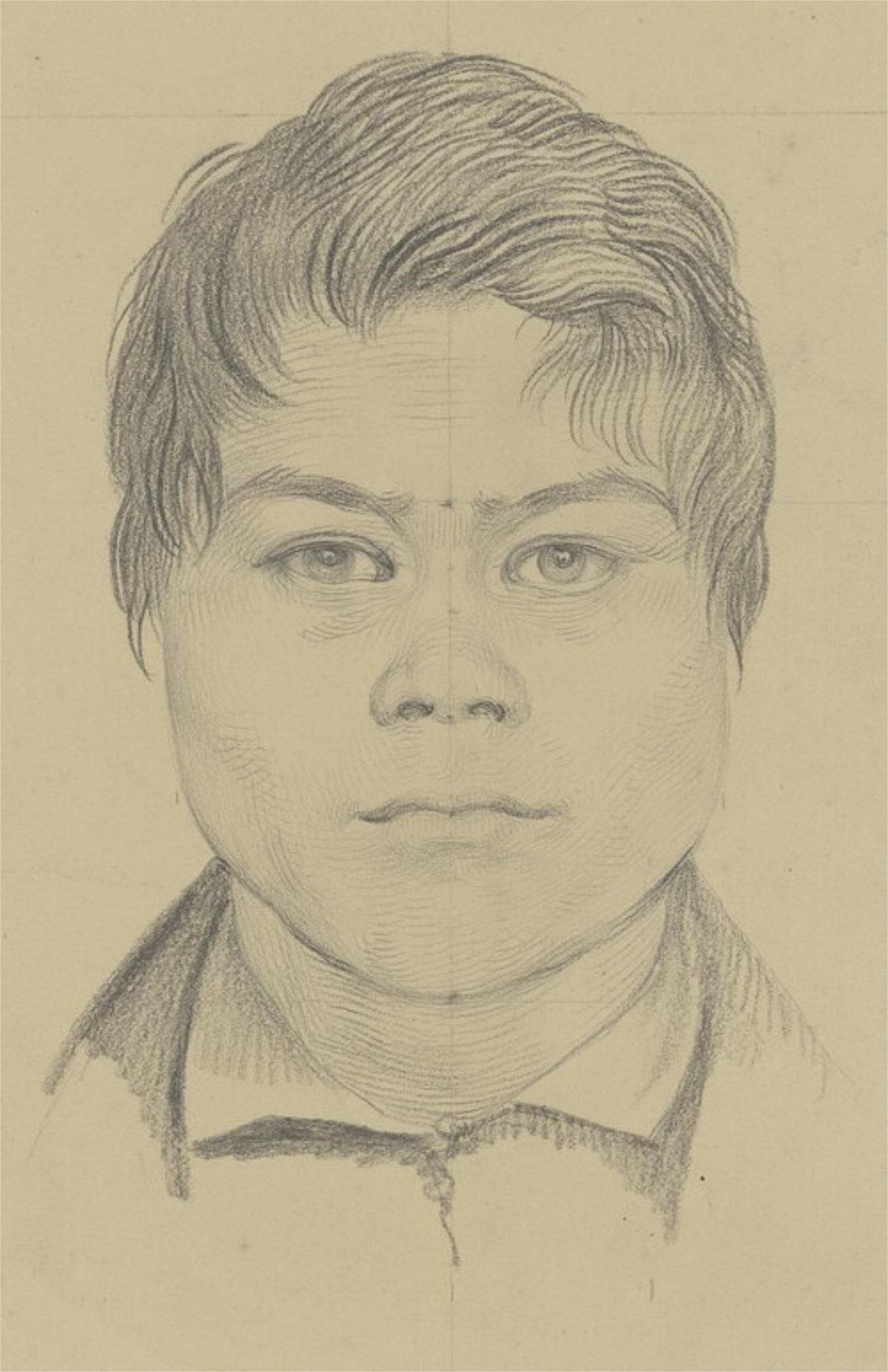
Harry Maitey, drawn by Johann Gottfried Schadow in Berlin on 26 October 1824.
Harry Maitey meets Wilhelm von Humboldt
Maitey’s knowledge of his native language would later make him important to one of Europe’s leading scholars. In 1827 he met Wilhelm von Humboldt, the philosopher, diplomat and linguist whose name you might recognise from Berlin’s Humboldt University.
Humboldt was researching languages from Polynesia and Southeast Asia and held conversations with Maitey about the Hawaiian language. Information provided by Maitey contributed to a Hawaiian vocabulary which became an important source for Humboldt’s research into Malayo-Polynesian languages. Maitey became one of Humboldt’s most important sources for Hawaiian.
Konrad Schumann Berlin Wall Jump: Location, History & How to Visit
From Hawaii to Peacock Island
In 1830 Maitey entered royal service and was sent to Pfaueninsel, Peacock Island.
Today, Pfaueninsel is one of Berlin’s loveliest excursions: a peaceful island in the Havel near Wannsee, complete with woodland paths, historical buildings and freely wandering peacocks. During the early 19th century, it was considerably more eccentric. The Prussian royal family developed the island as a romantic retreat filled with ornamental buildings, exotic plants and a royal menagerie. Most of the animals were later transferred to Berlin and helped form the collection of what became Berlin Zoo.
What did Harry Maitey do on Pfaueninsel?
Maitey initially worked as an assistant to the island’s engine master, Franciscus Joseph Friedrich. He was trained in practical skills including woodturning, cabinetmaking and locksmithing.
There is also evidence suggesting that Maitey helped Friedrich construct elaborate miniature models of castles and cathedrals using materials including ivory and mother-of-pearl. Some researchers have even suggested that Maitey’s contribution may have been greater than contemporary records acknowledged, because production of certain models appears to have stopped after he ceased working with Friedrich.
Maitey built a permanent life in Germany.
In 1833 he married Dorothea Charlotte Becker, whose family had connections with the royal estates. The couple settled in Klein Glienicke, close to Pfaueninsel and Potsdam, and had children. Their son Heinrich Wilhelm Eduard Maitey, born in 1839, survived into adulthood.
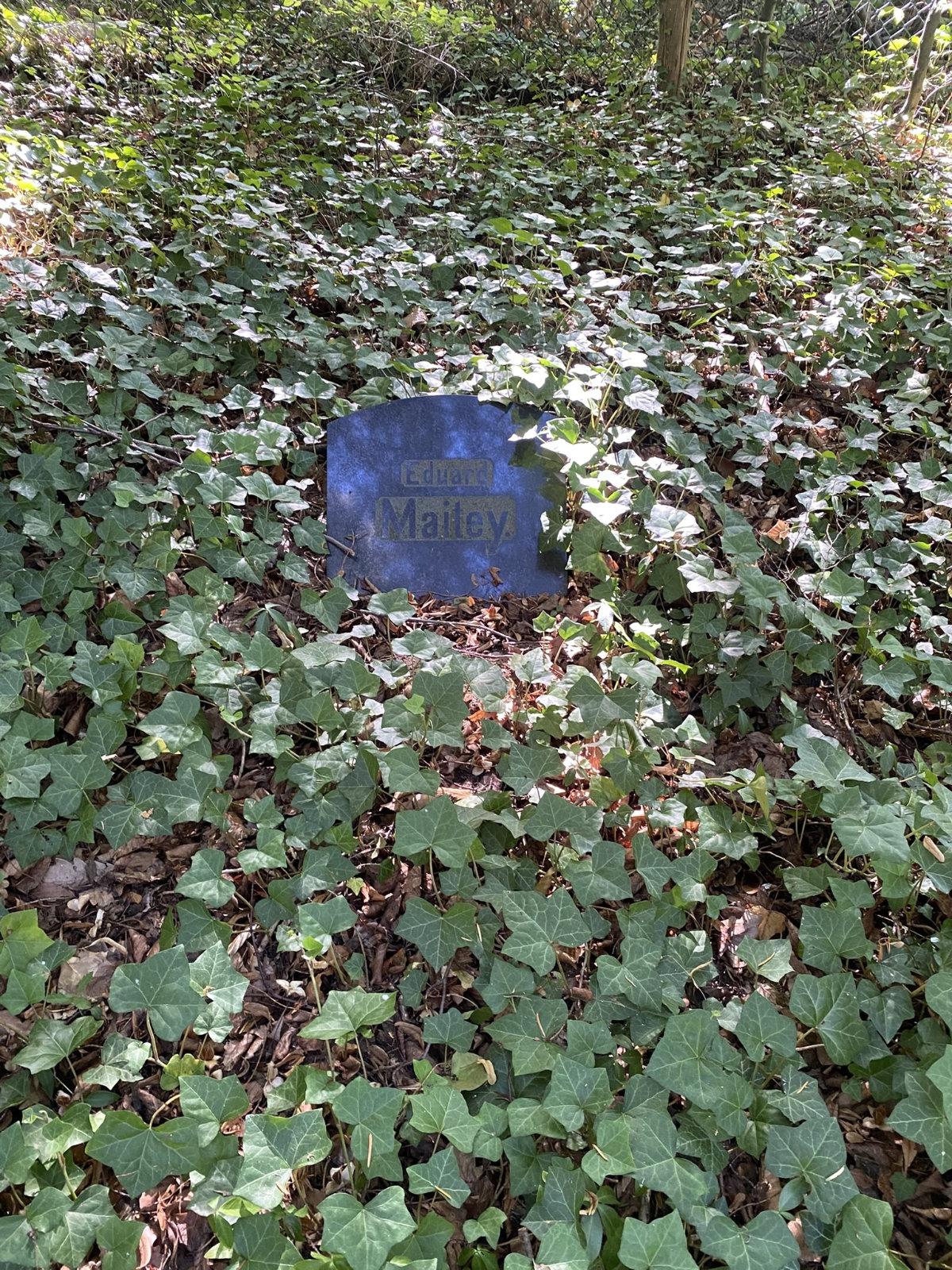
Harry Maitey’s grave in Berlin
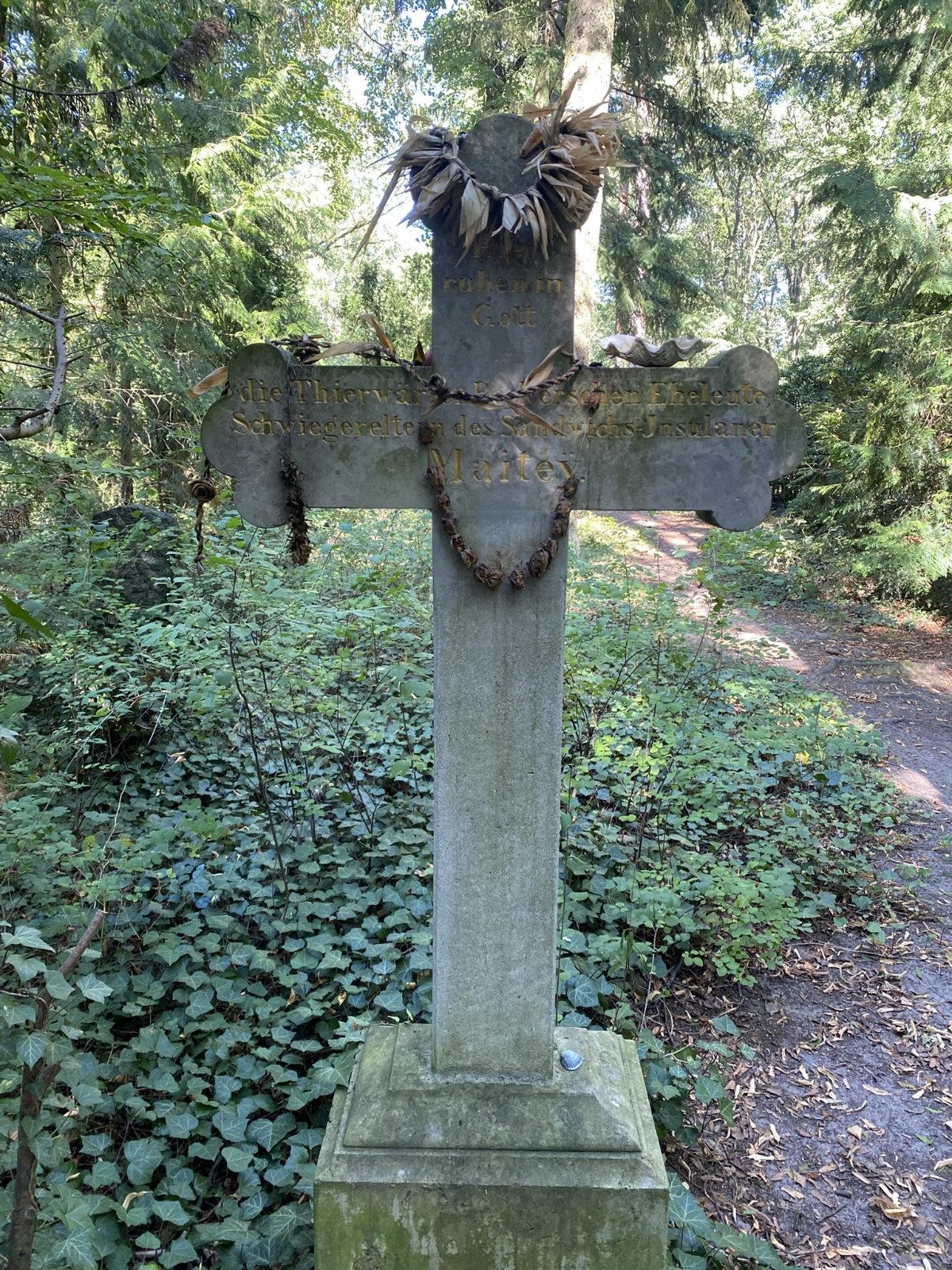
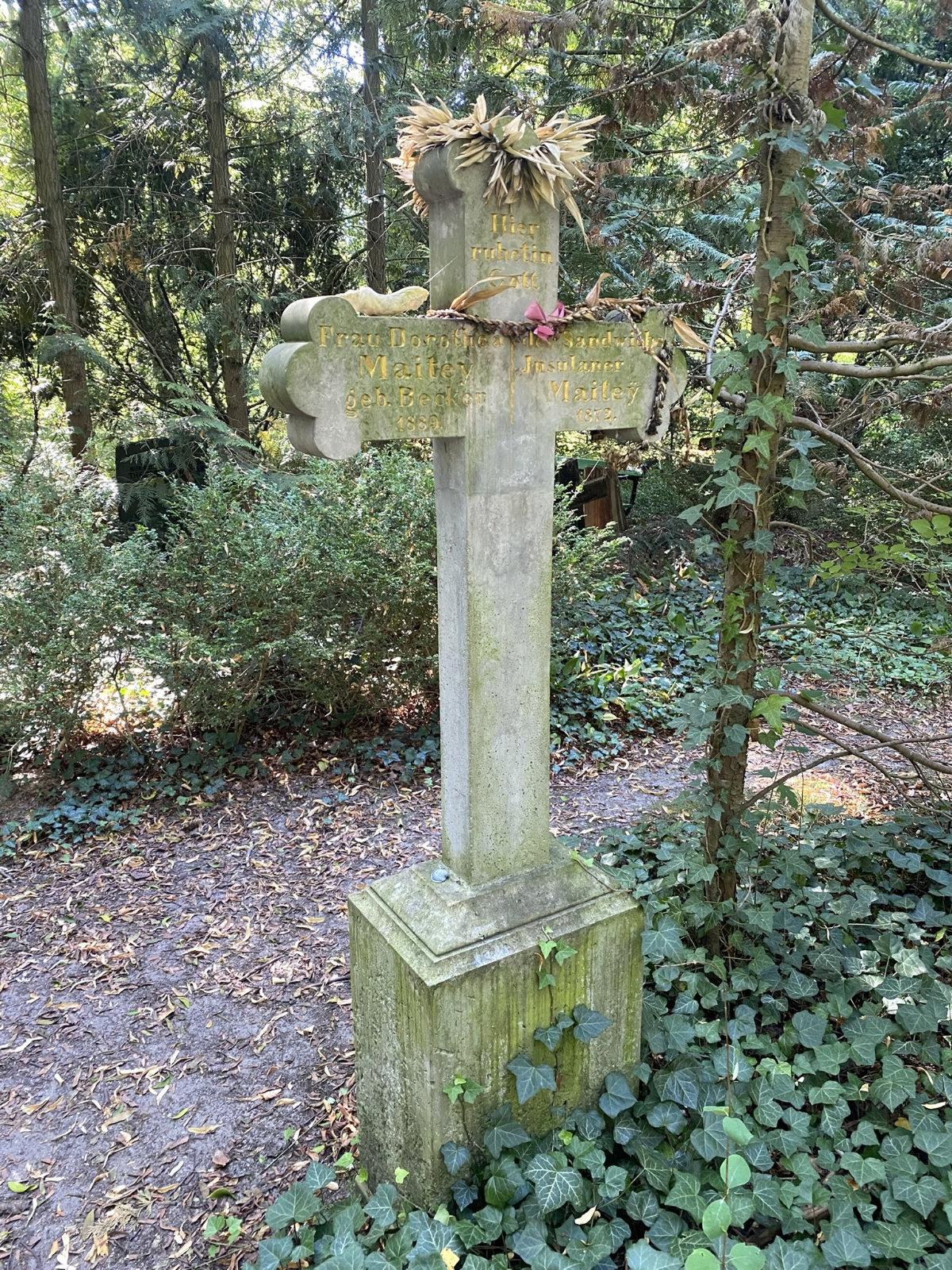
Harry Maitey died from smallpox at his home in Klein Glienicke on 26 February 1872, aged around 64. Remarkably, his grave still survives. You can find it in the small woodland cemetery near the Church of St Peter and Paul on Nikolskoe, not far from Pfaueninsel. Maitey is buried alongside his wife Dorothea and her parents.
The grave is especially distinctive because its cross carries an inscription referring to him using the old European term “Sandwich-Insulaner”, Sandwich Islander. Seashells have also been placed around the grave, an unusual sight in a quiet Berlin woodland cemetery.
The term “Sandwich Islands” was the name Europeans once commonly used for Hawaii after Captain James Cook applied it to the islands in the 18th century. Today, of course, Hawaii is the appropriate name.
Following Harry Maitey’s story in Berlin today
The best place to connect with Harry Maitey’s history is Pfaueninsel. The island is in Berlin’s Wannsee district and can only be reached by a short ferry crossing from the mainland. Pfaueninsel forms part of the Palaces and Parks of Potsdam and Berlin UNESCO World Heritage Site, and its landscape still contains many traces of the strange royal world Maitey would have known.
Where is the grave of the Hawaiin in Berlin?
 





Be the first to comment