
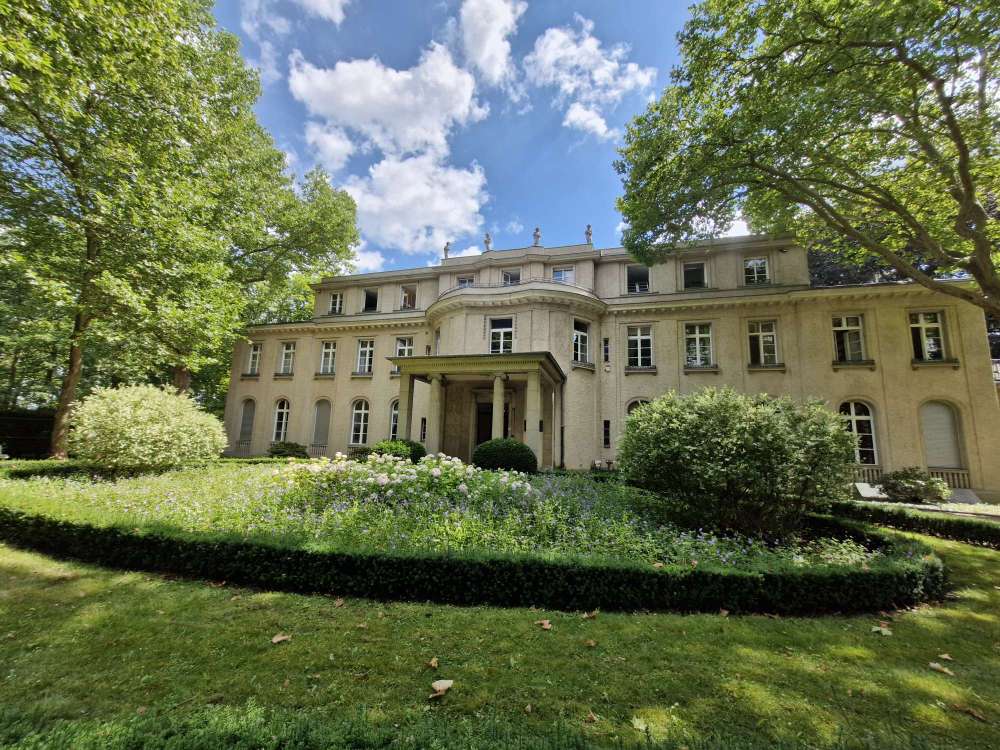
Complete Guide to Visiting the House of the Wannsee Conference, Berlin
The House of the Wannsee Conference (Haus der Wannsee-Konferenz) is one of the most important historical sites in Berlin.
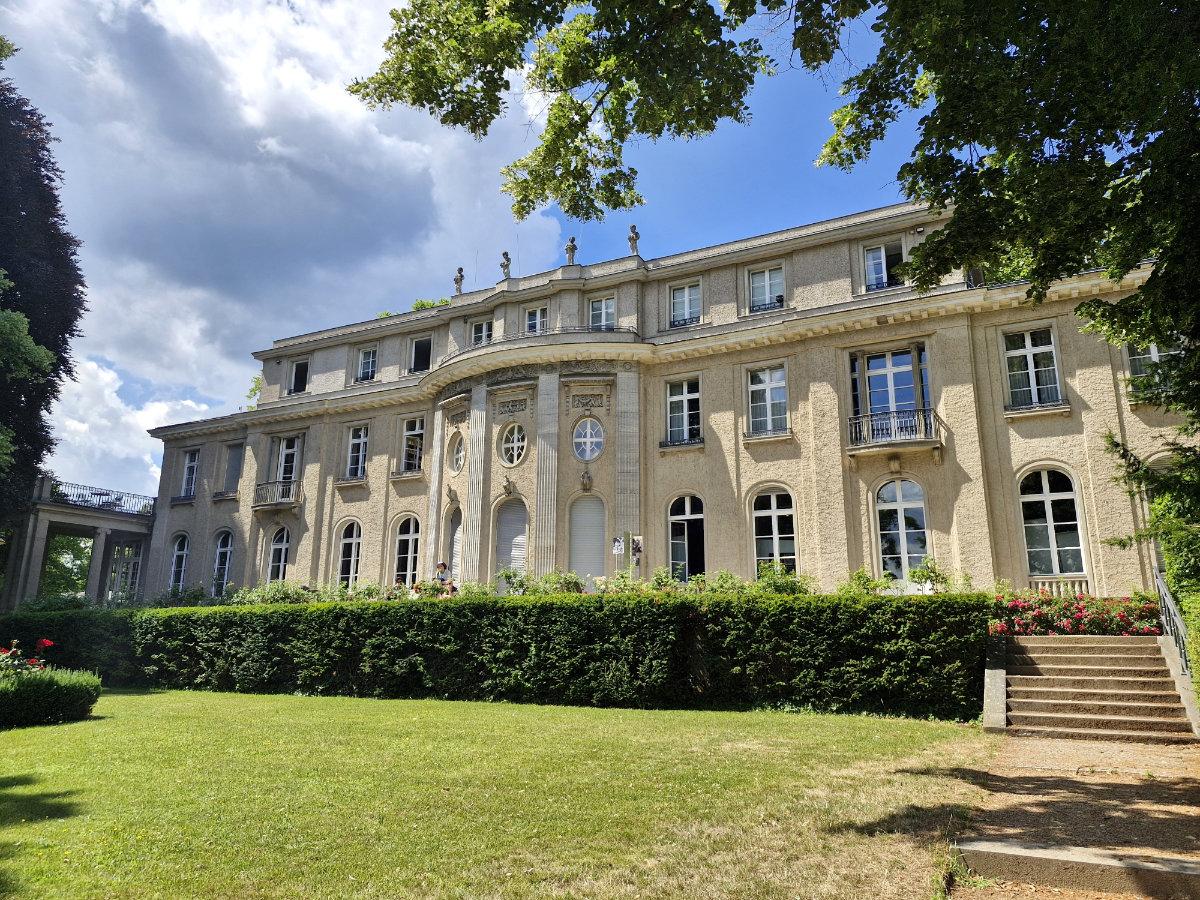
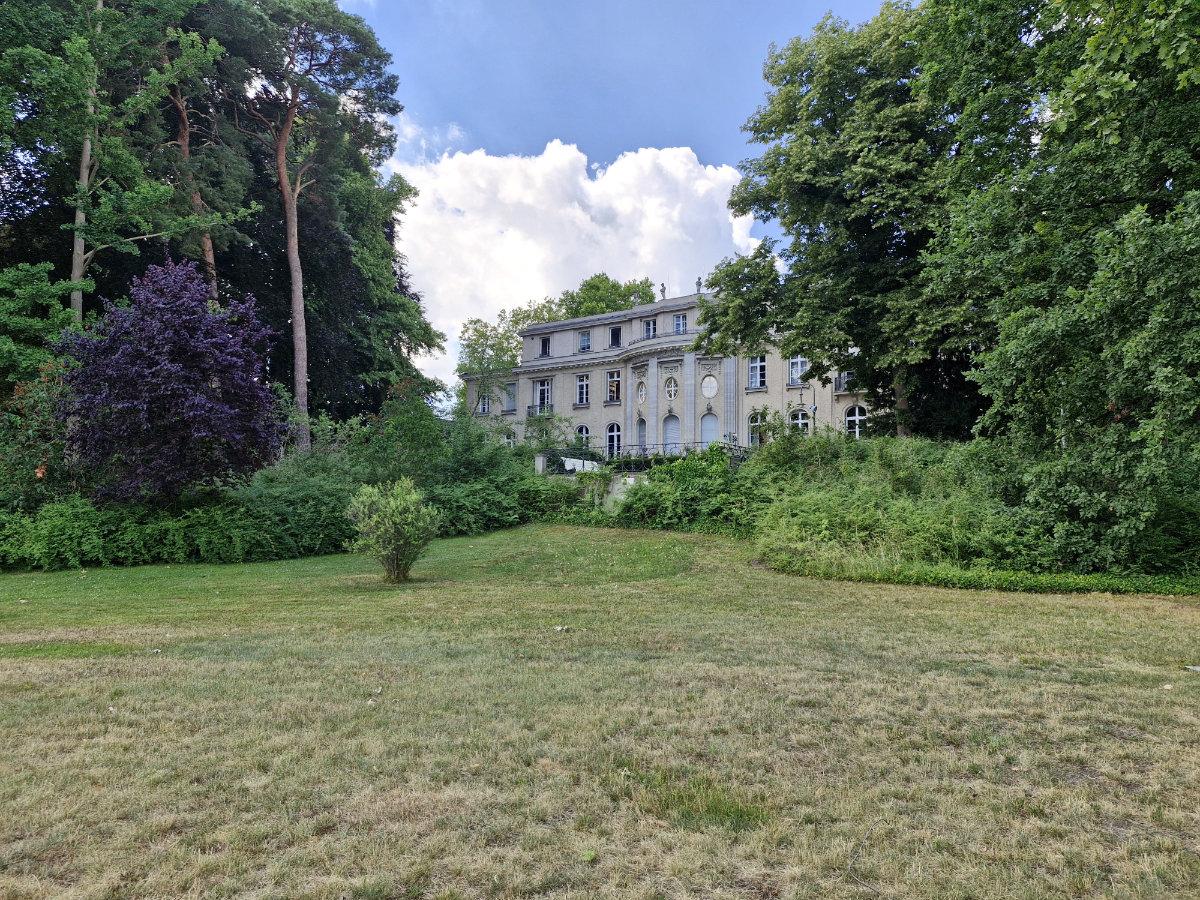
Located in an elegant lakeside villa on the shores of Lake Wannsee, it is a place of remembrance and education dedicated to understanding one of the darkest chapters in human history.
While the villa itself is beautiful, its significance lies in what happened here on 20th January 1942, when senior Nazi officials met to coordinate the implementation of the so-called “Final Solution”, the systematic deportation and murder of Europe’s Jewish population.
Today, the house serves as a memorial and educational centre, helping visitors understand how ordinary government departments and civil servants became involved in crimes against humanity.
Video of our visit to House of the Wannsee Conference, Berlin
Quick Visitor Information
Address Am Großen Wannsee 56–58 14109 Berlin Germany
Official Website https://www.ghwk.de/en/
Admission: Free
Opening Hours: Tuesday to Sunday: 10:00–18:00
Closed on Mondays and selected public holidays.
Always check the official website before travelling for the latest opening times.
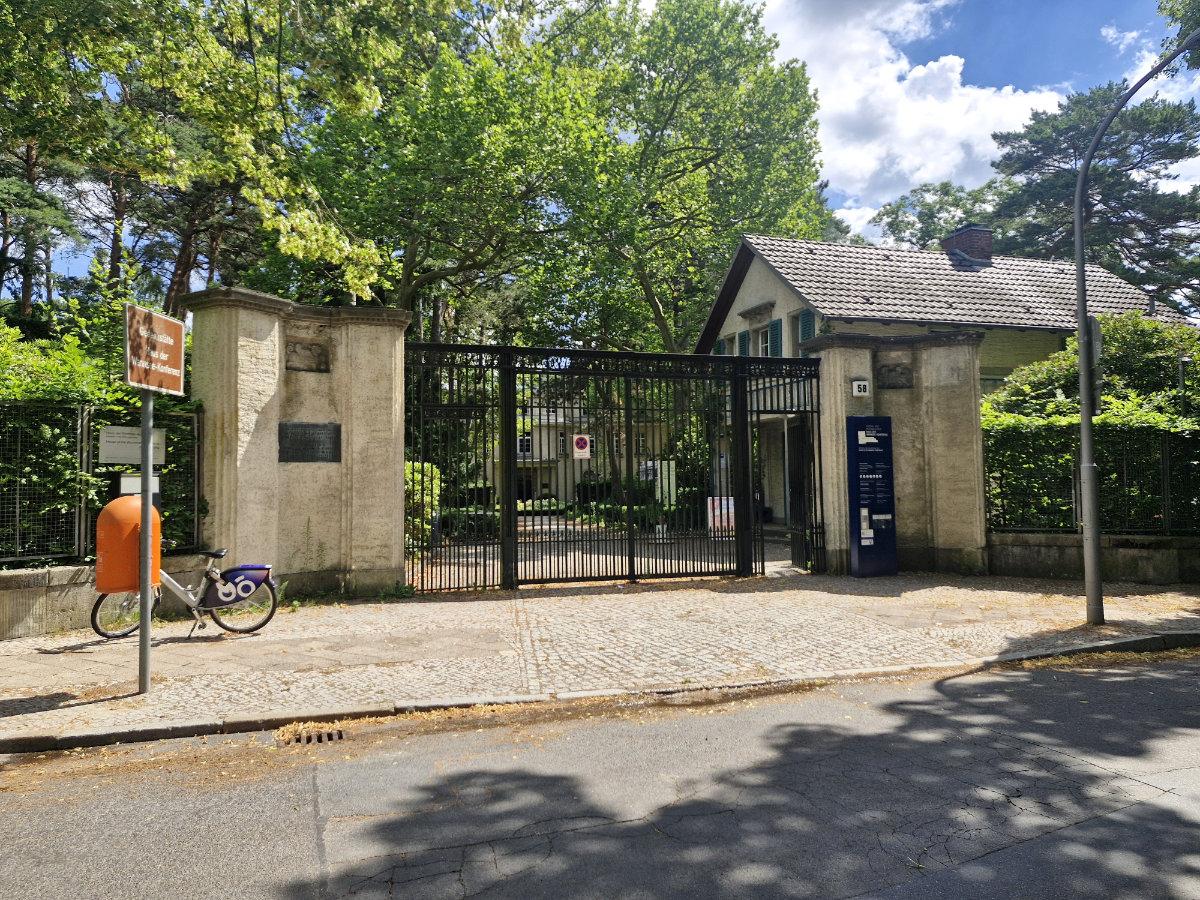
Where is the House of the Wannsee Conference?
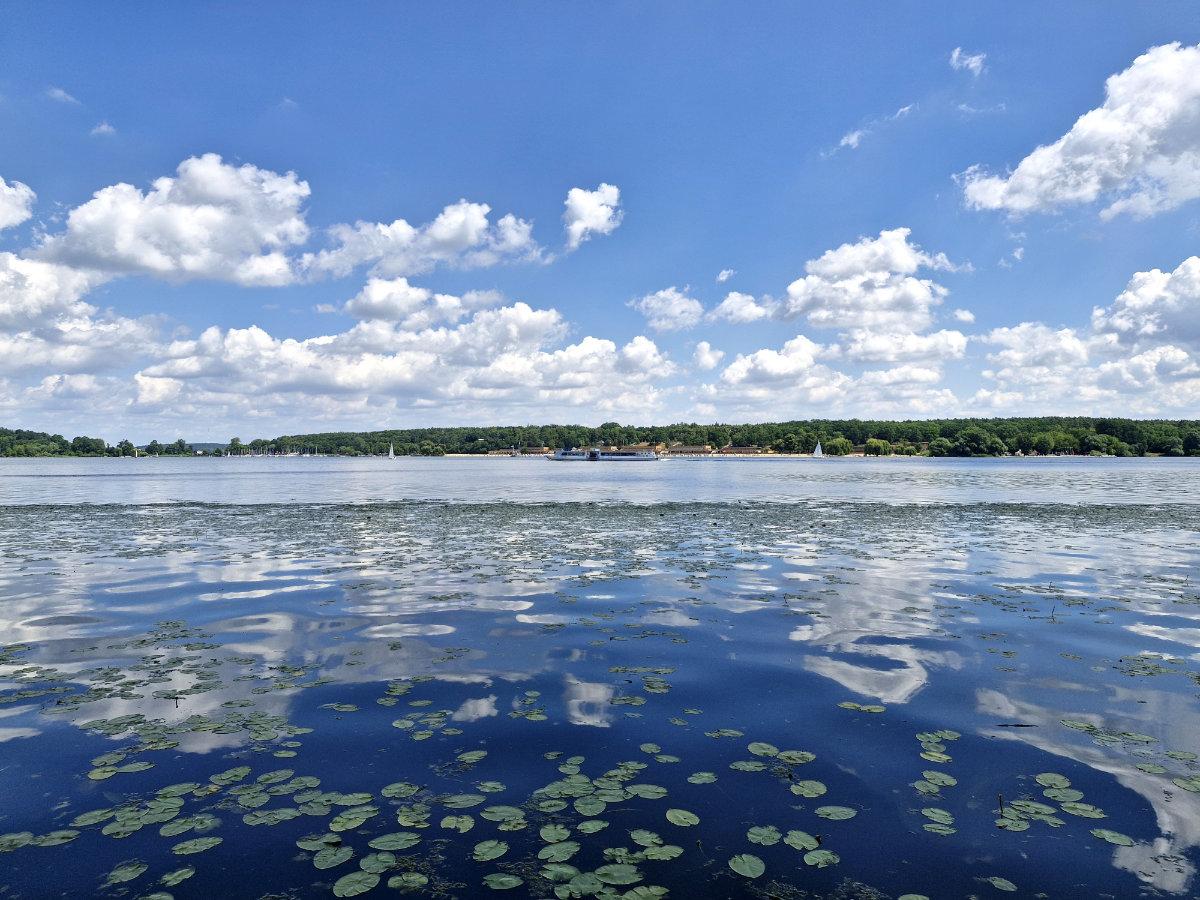
The memorial is located in southwest Berlin, around 20 kilometres from the city centre on the banks of Lake Wannsee.
Address: Am Großen Wannsee 56-58, 14109 Berlin-Bezirk Steglitz-Zehlendorf, Germany
Despite its peaceful surroundings, the villa’s secluded location reflected the desire for privacy during the meeting held here in 1942.
Today, visitors often combine a visit with a walk along Lake Wannsee or nearby attractions such as Peacock Island or the historic Wannsee waterfront.
Looking for more World War II History? Click here or the image below
How to Get There
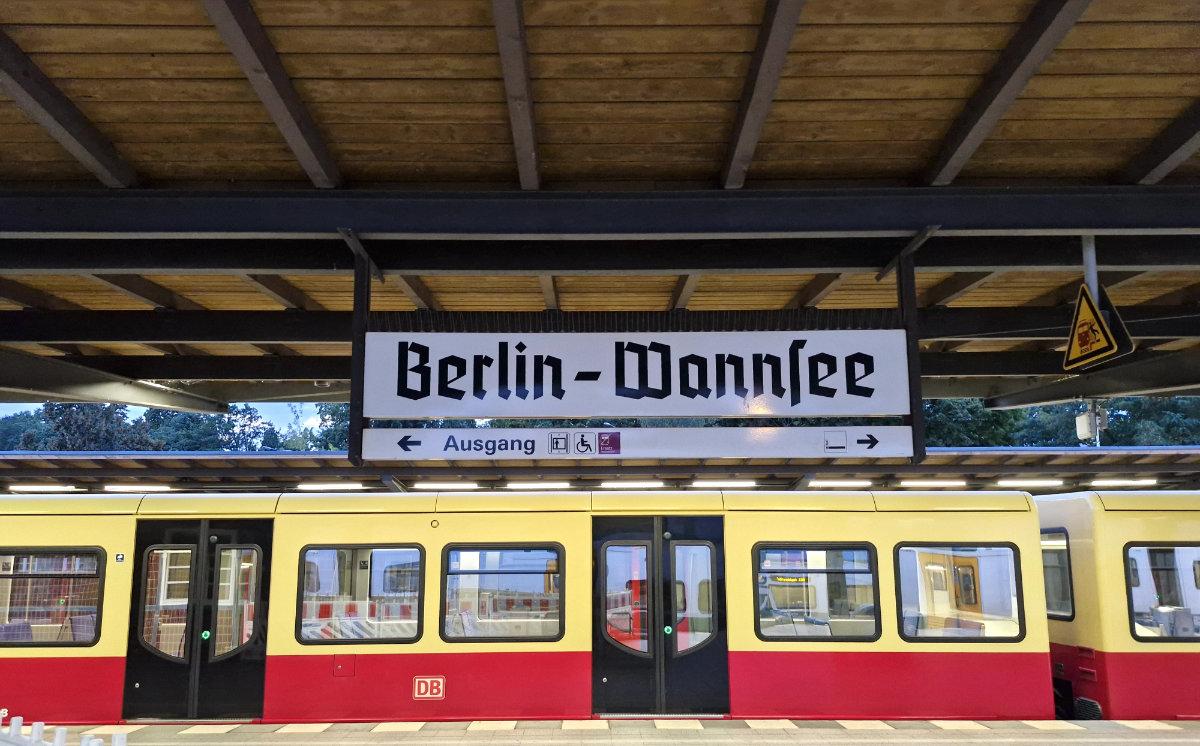
By S-Bahn
The easiest route is to take the S1 train to Wannsee Station.
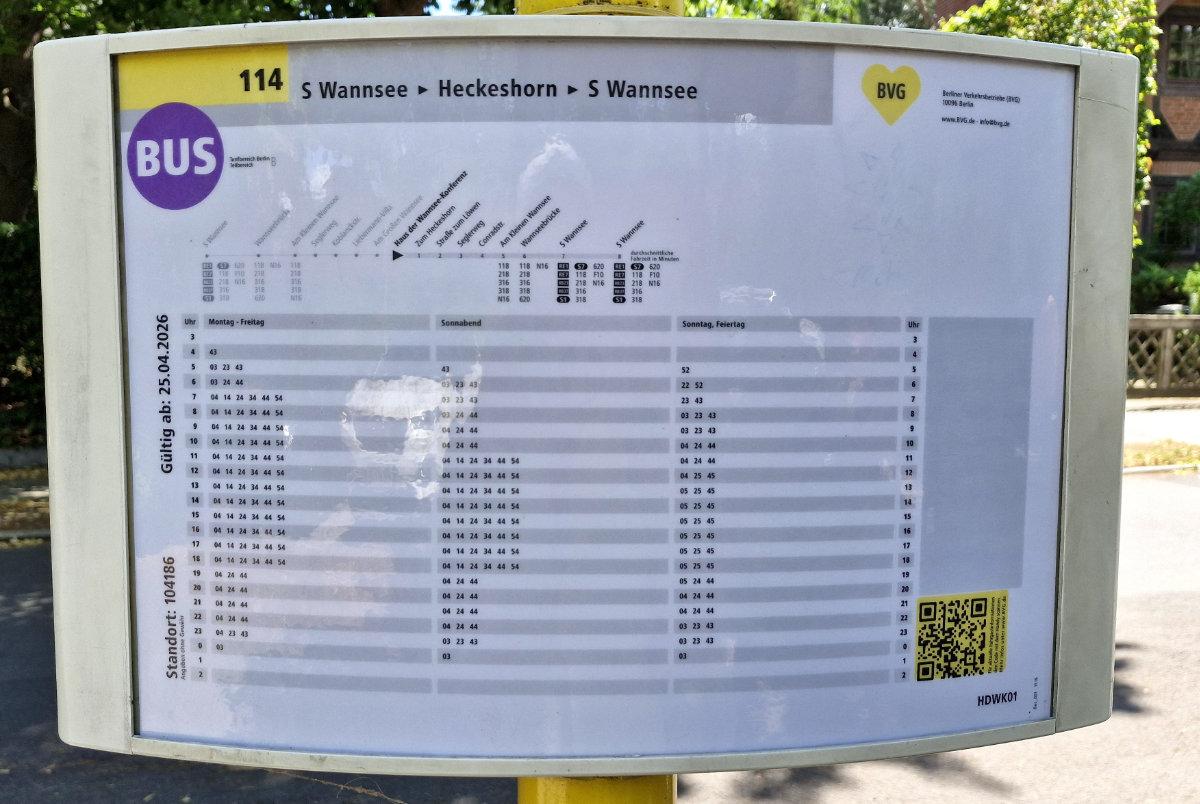
From the station you can: Walk for approximately 20–25 minutes or catch Bus 114 to the memorial
Journey time from central Berlin is around 40 minutes.
By Bus
Bus 114 stops close to the memorial. It is the one bus stop to arrive and depart at the villa, as the street is a one way system here.
By Car
Limited parking is available nearby.
The History of the House
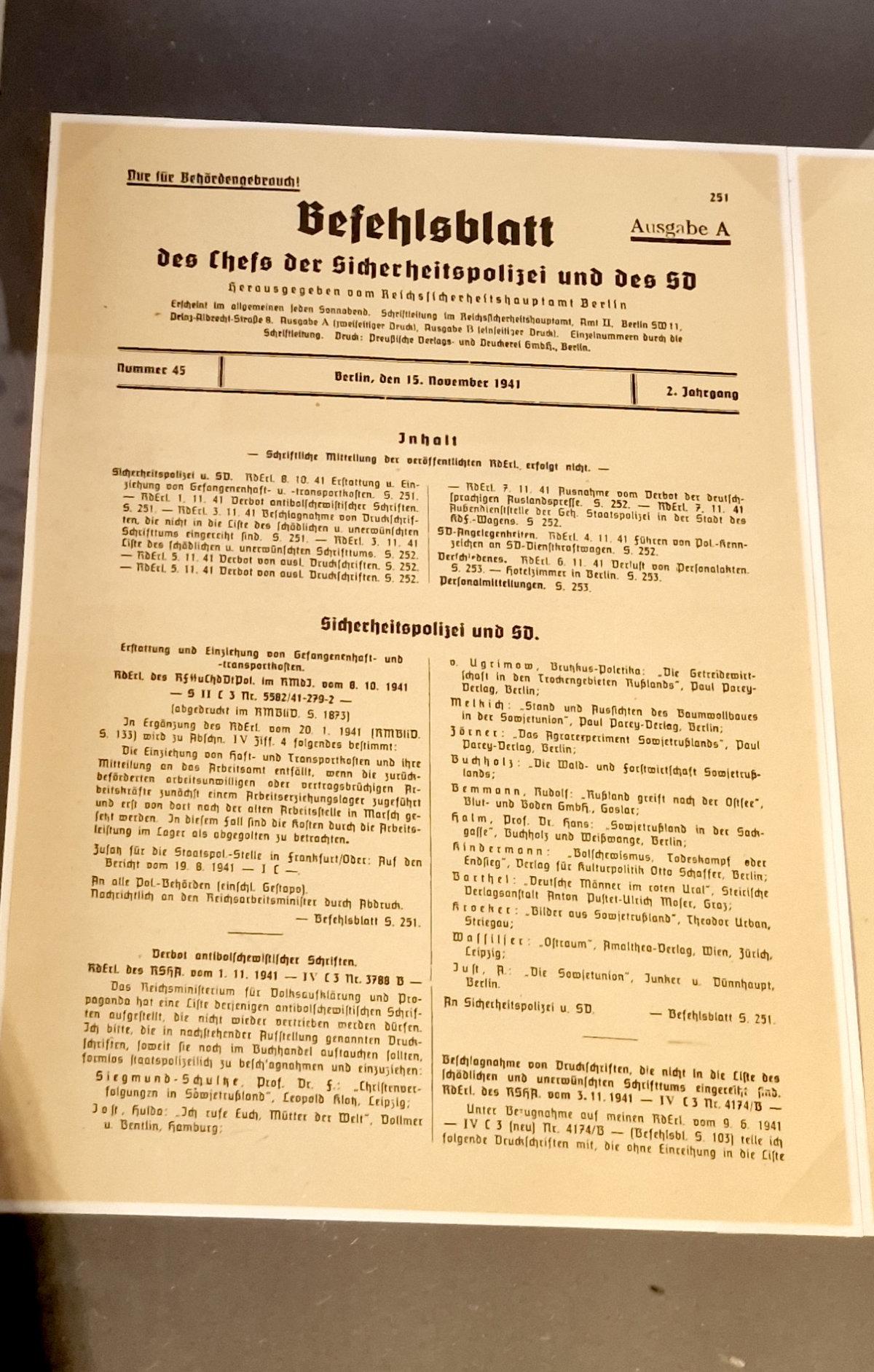
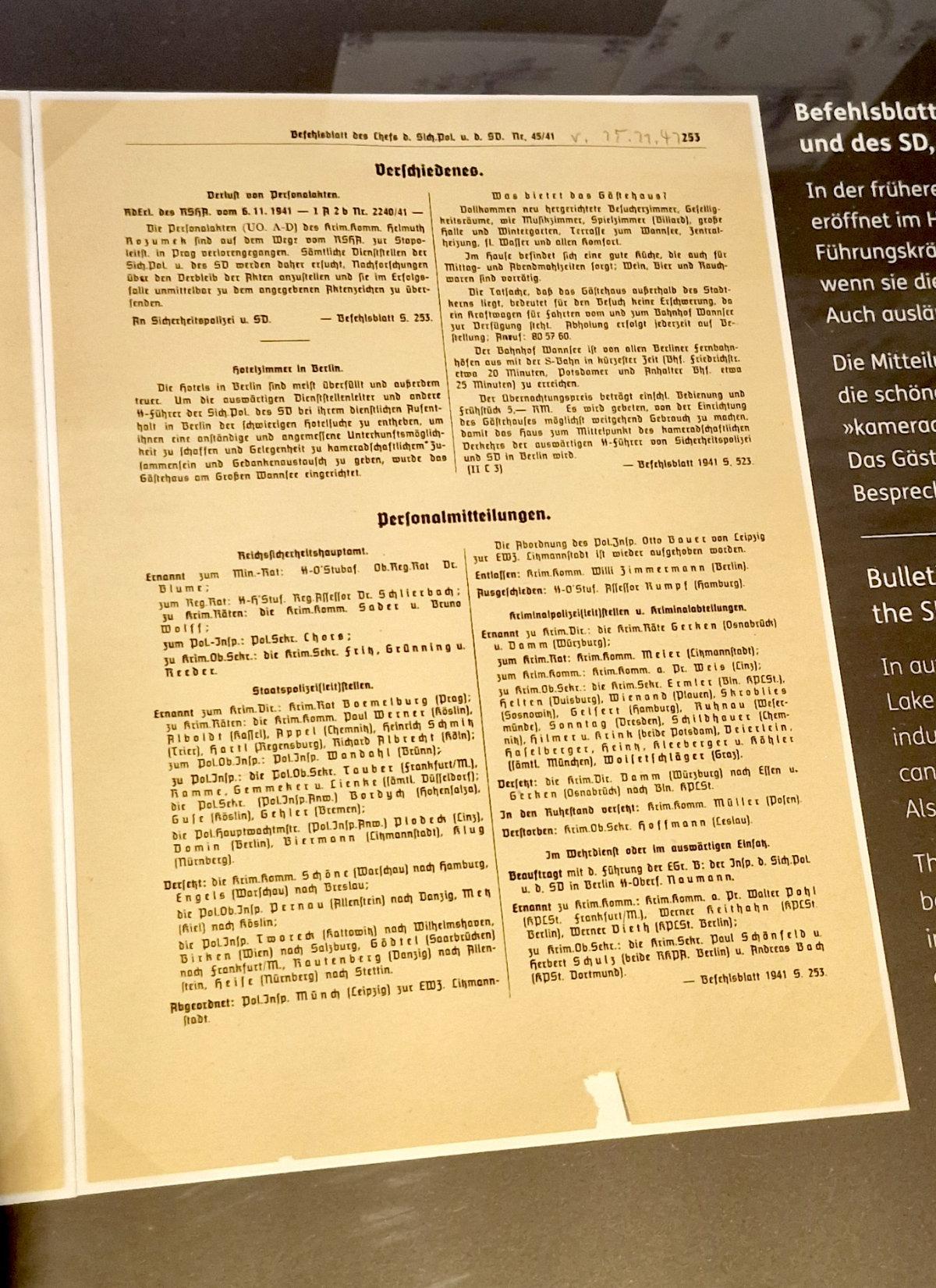
Built in 1914 as a luxury villa for businessman Ernst Marlier, in 1941-1945 the property became a guesthouse for the Police and SS. Among the guests were high ranking SS-Officers, commanders of the “Special Task Forces” [Einsatzkommandos] or secret service men of allied countries.
Here is a copy of a bulletin regarding the opening of the guesthouse.
The Head of the Domestic SD, SS-Gruppenführer Otto Ohlendorf, moved his headquarters to the villa in October 1944.
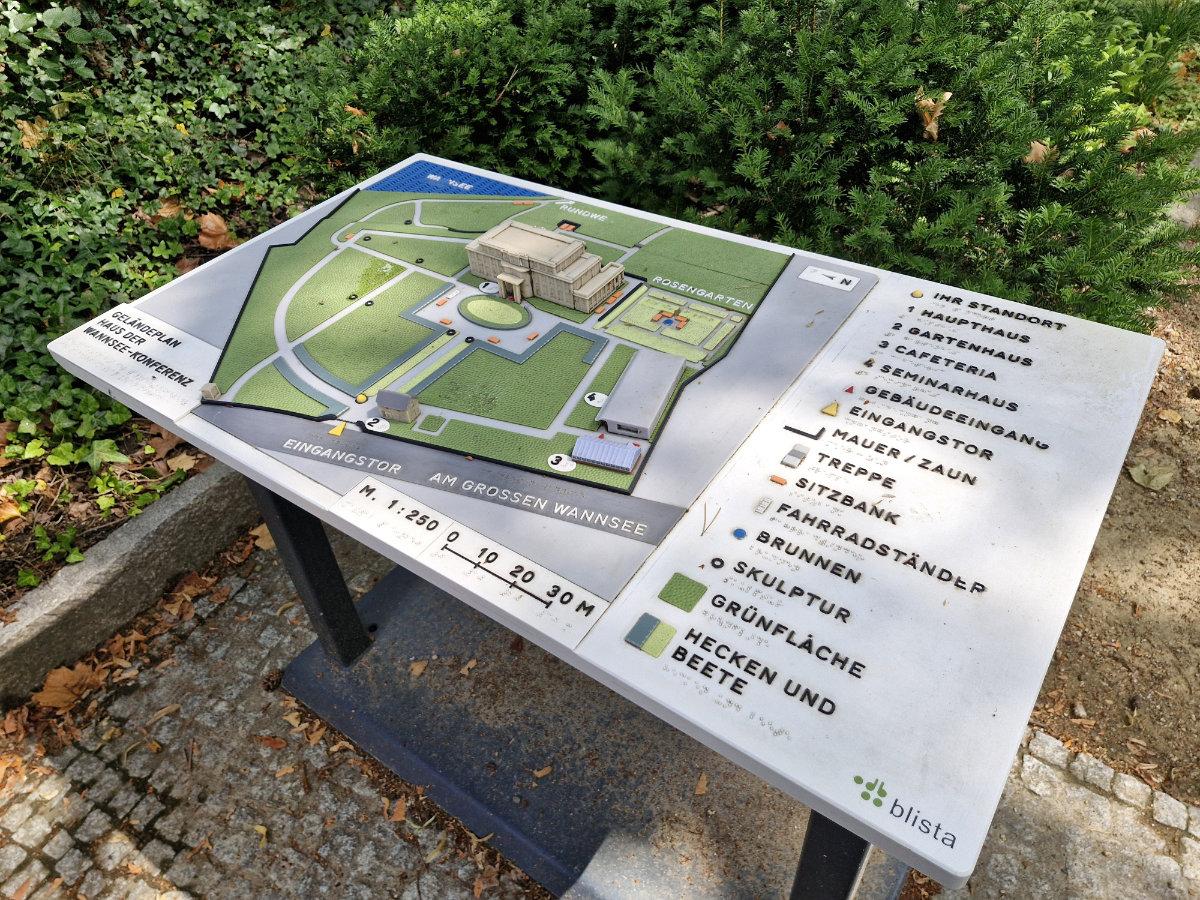
At the end of the war, the building was used by the Red Army and later on by the US Army. For a while it stood empty and almost all the furnishings were plundered. In 1947, the August Bebel Institute of the Berlin Social Democratic Party moved into the building. From 1952 on, the site was used as a school hostel.
An image of the kitchen area after the school hostel moved out as well as Delft tiles from the rooms original interior.
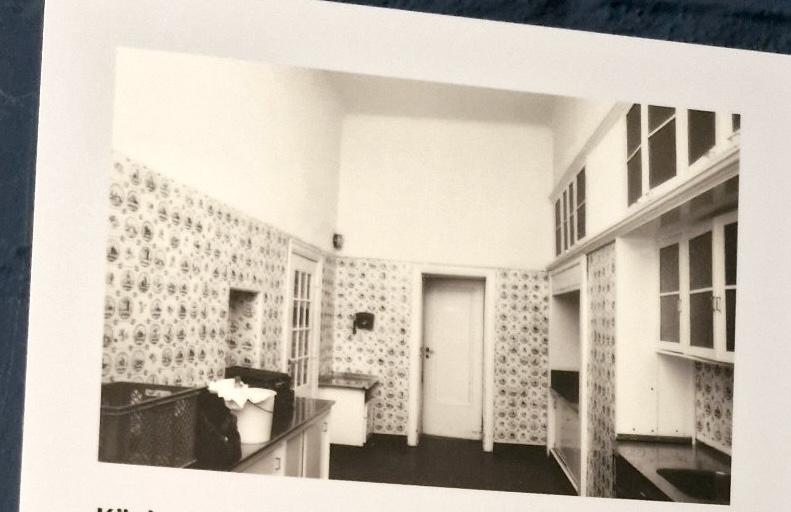
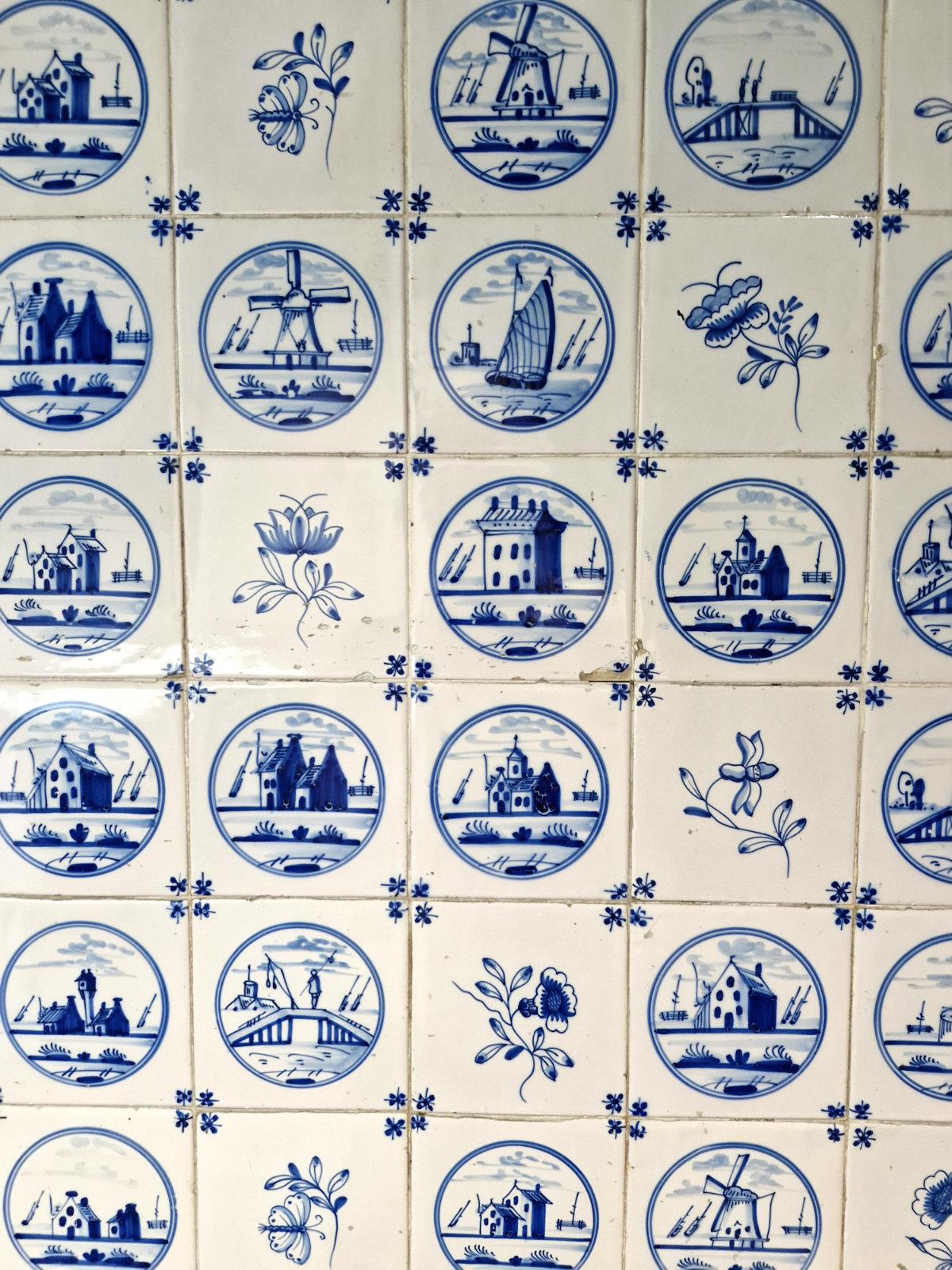
1988 saw the conversion and historical reconstruction of villa and garden in order to set up a memorial site.
Joseph Wulf’s Initiative and the Inauguration of the Memorial Site, 1965-1992
The historian Joseph Wulf, a Jewish resistance fighter and survivor of Auschwitz, published the first comprehensive documentations on the NS regime available in Germany. In 1965 he strongly suggested to establish a documentation center in the villa. Wulf gained worldwide prominent supporters, but the Berlin Senate was not prepared to make the building available. In 1974, Wulf committed suicide. In the 1980s, his ideas were taken up again.
The House of the Wannsee Conference Memorial and Educational Site was finally opened in January 1992 on the 50th anniversary of the Wannsee Conference.
What happened here
SS leader Reinhard Heydrich invited top officials to a “meeting followed by breakfast”. In German, this phrase (“Besprechung mit anschließendem Frühstück”) actually meant a post-meeting lunch reception with fine food and brandy.
See below a copy of the original invitation letter.
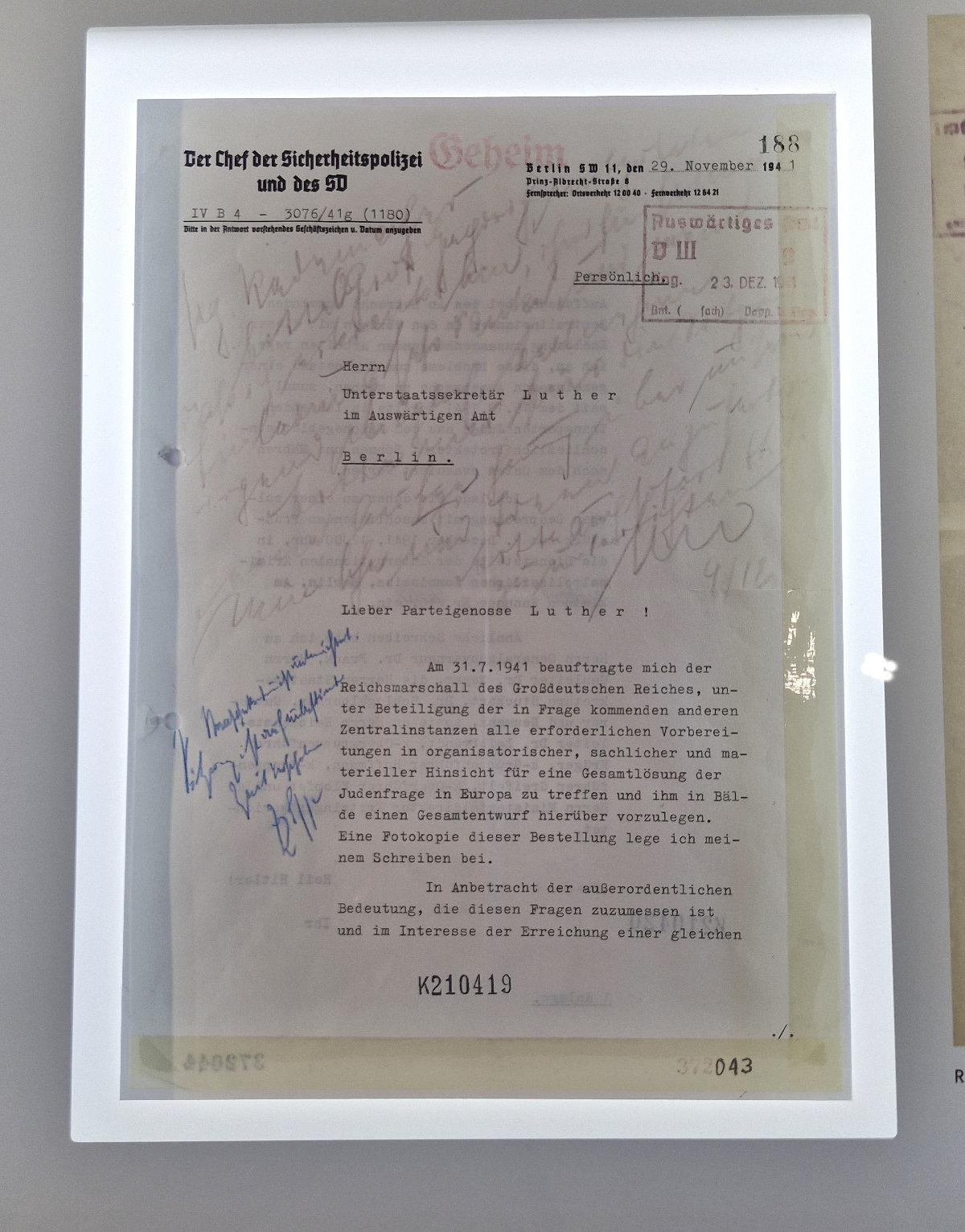
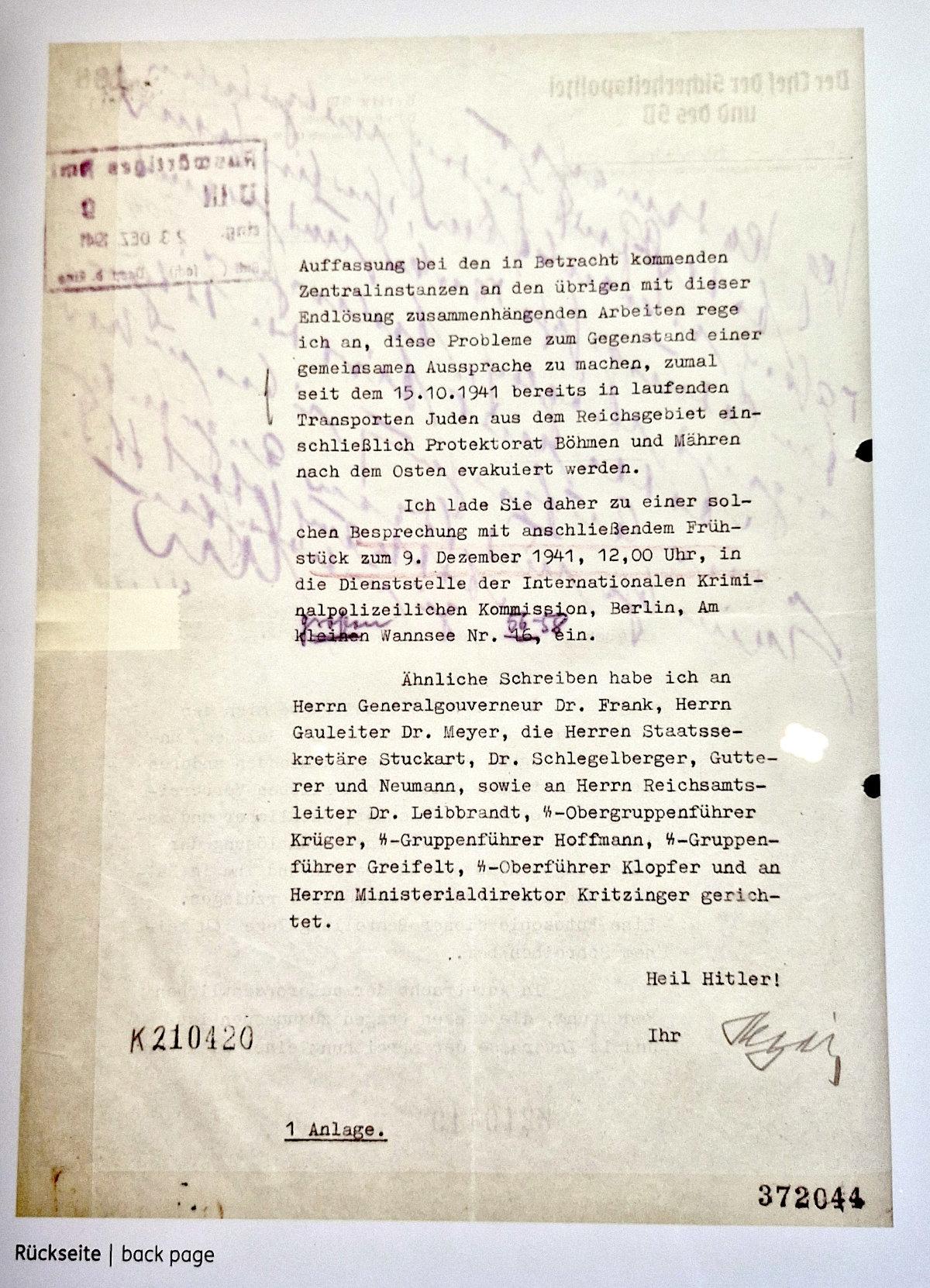
See below the invitation letter. Translation Dear Comrade Luther! The meeting scheduled for December 9, 1941, concerning issues related to the Final Solution of the Jewish Question, I unfortunately had to cancel at the last minute due to suddenly announced events and the resulting demands on some of the invited gentlemen. Since the issues under discussion do not permit any further postponement, I hereby invite you again to a meeting followed by breakfast on January 20, 1942, at 12:00 noon in Berlin, Am Großen See 56-58. The group of invited gentlemen listed in his last invitation letter remains unchanged.”

The meeting lasted around 90 minutes.
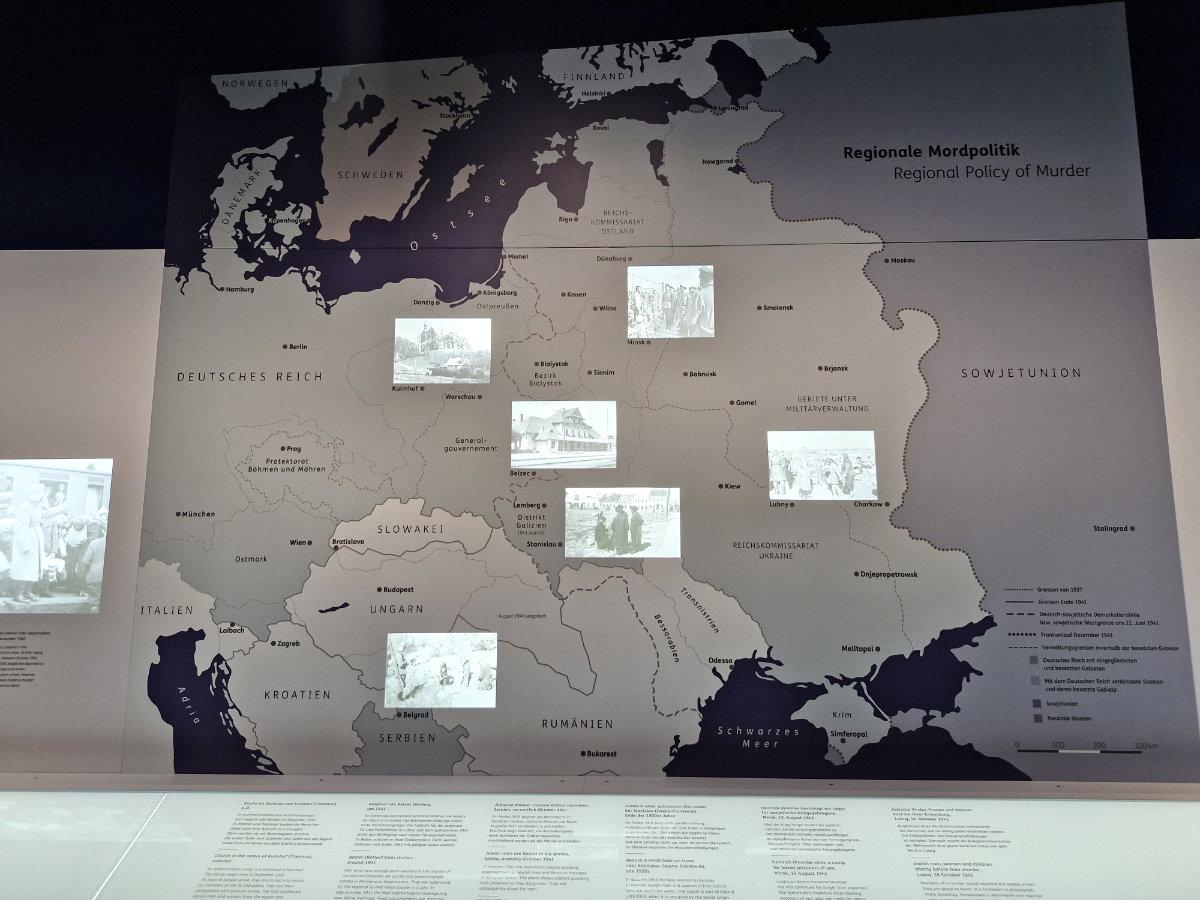
Its purpose was not to decide whether genocide would take place—the mass murder of Jewish people had already begun, but to coordinate how various government departments would work together to deport Jews from across Europe to extermination camps.
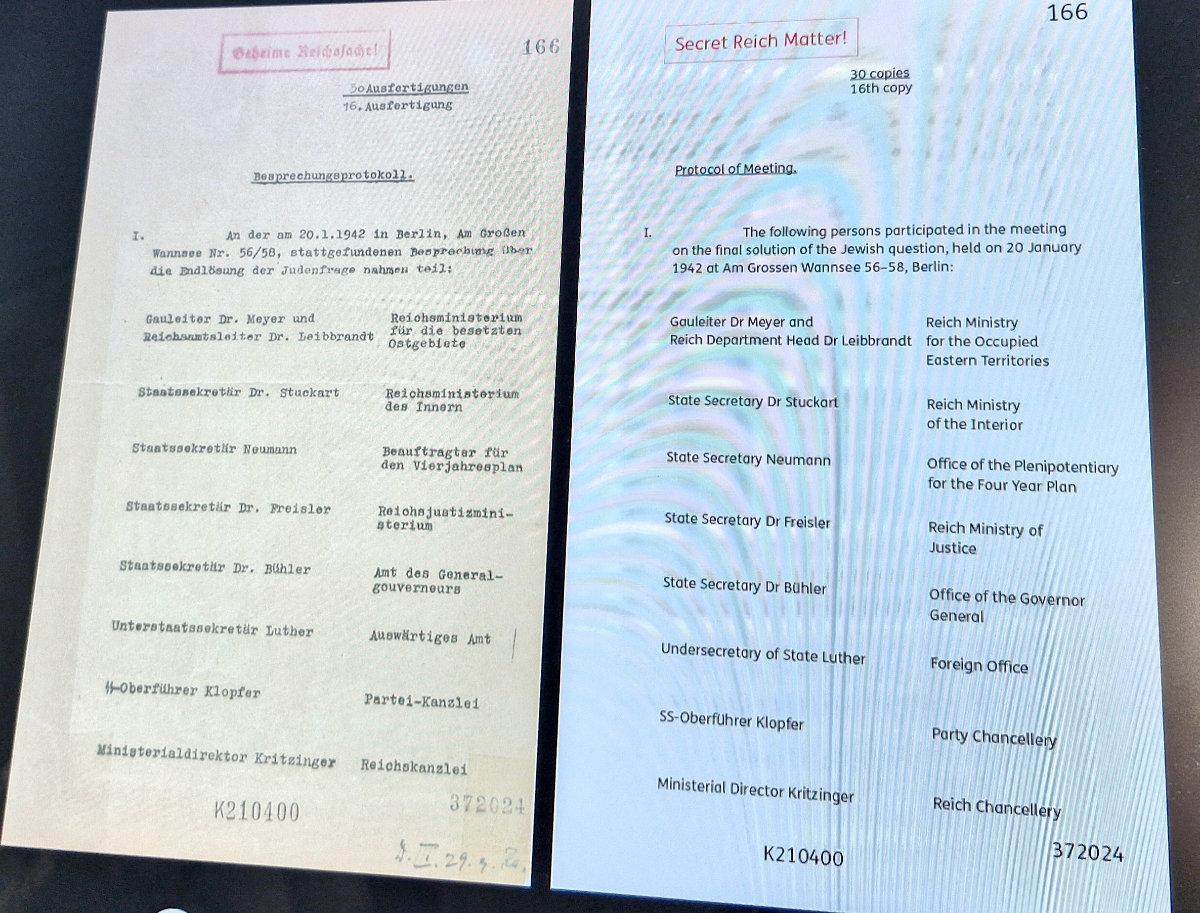
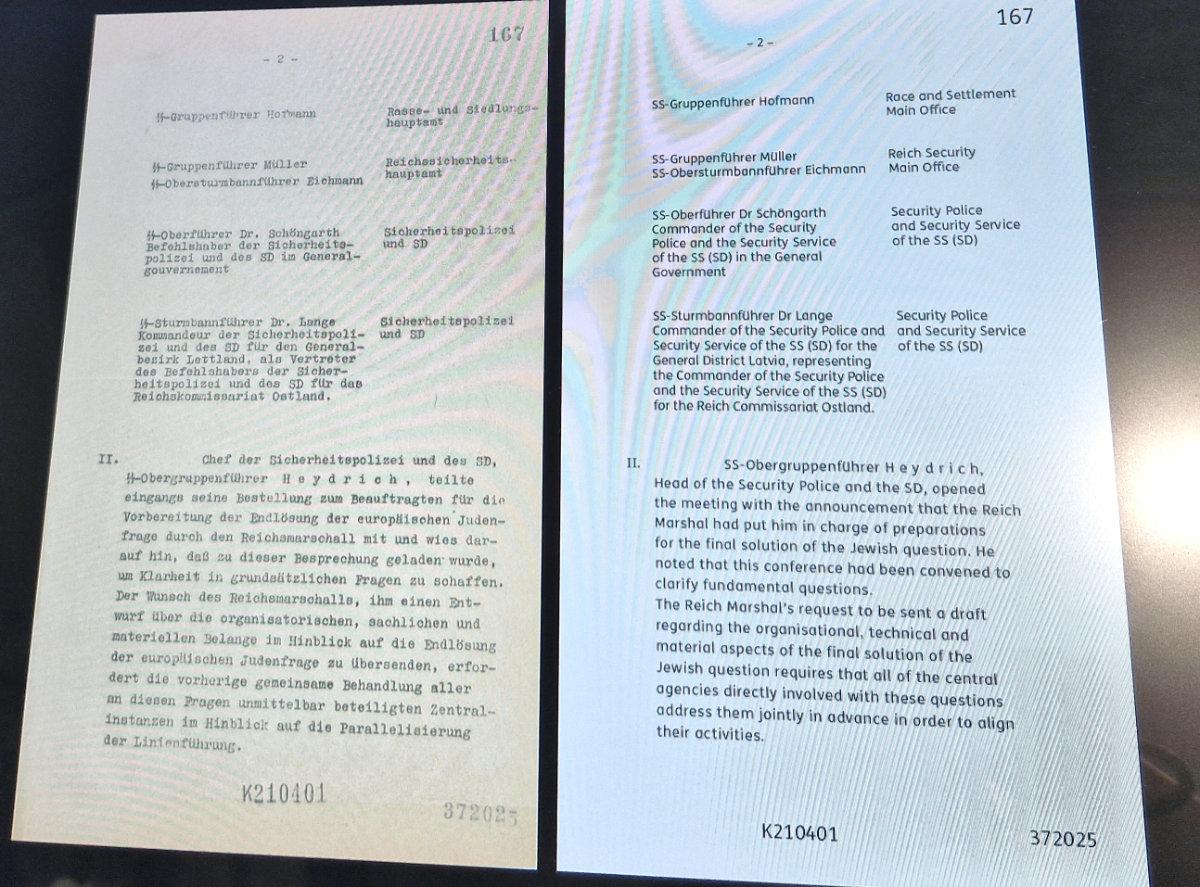
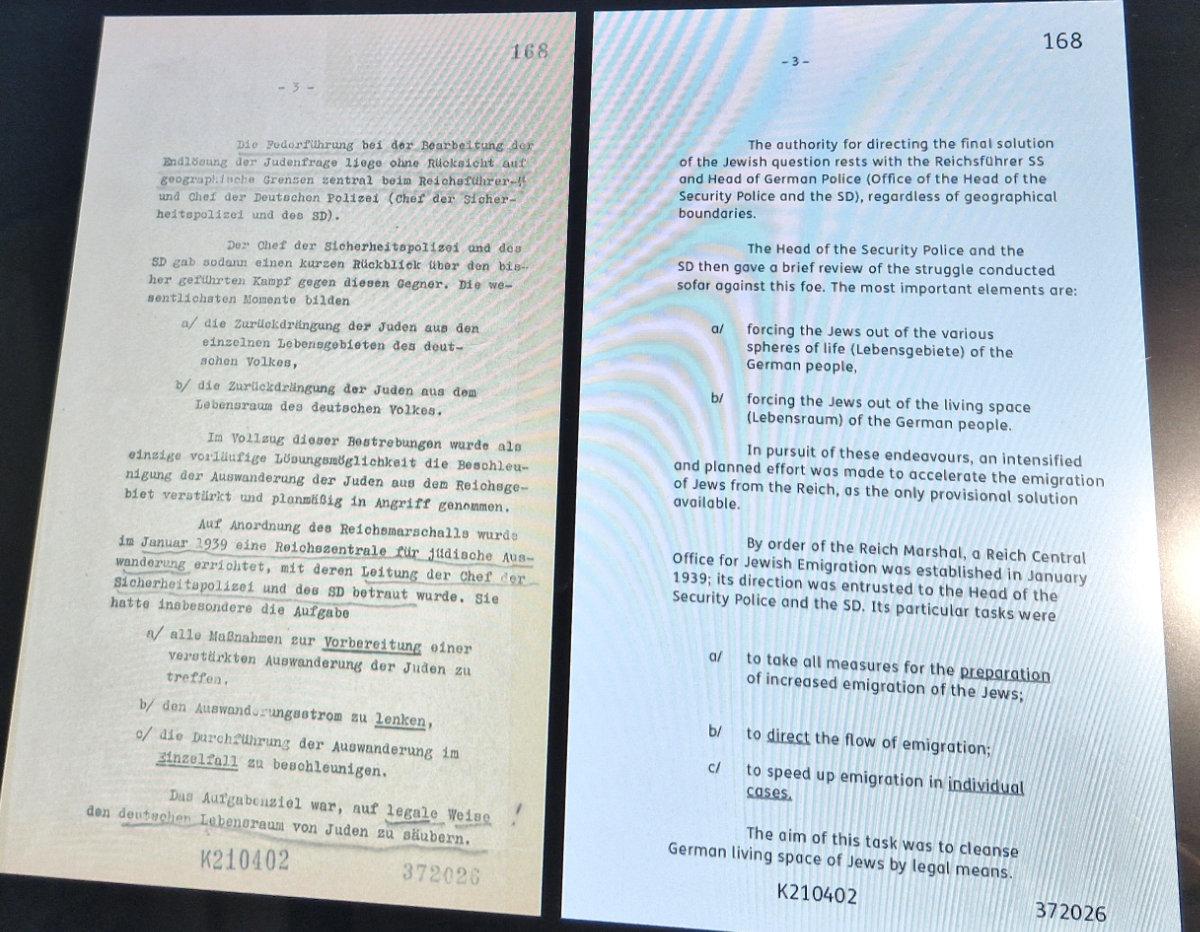
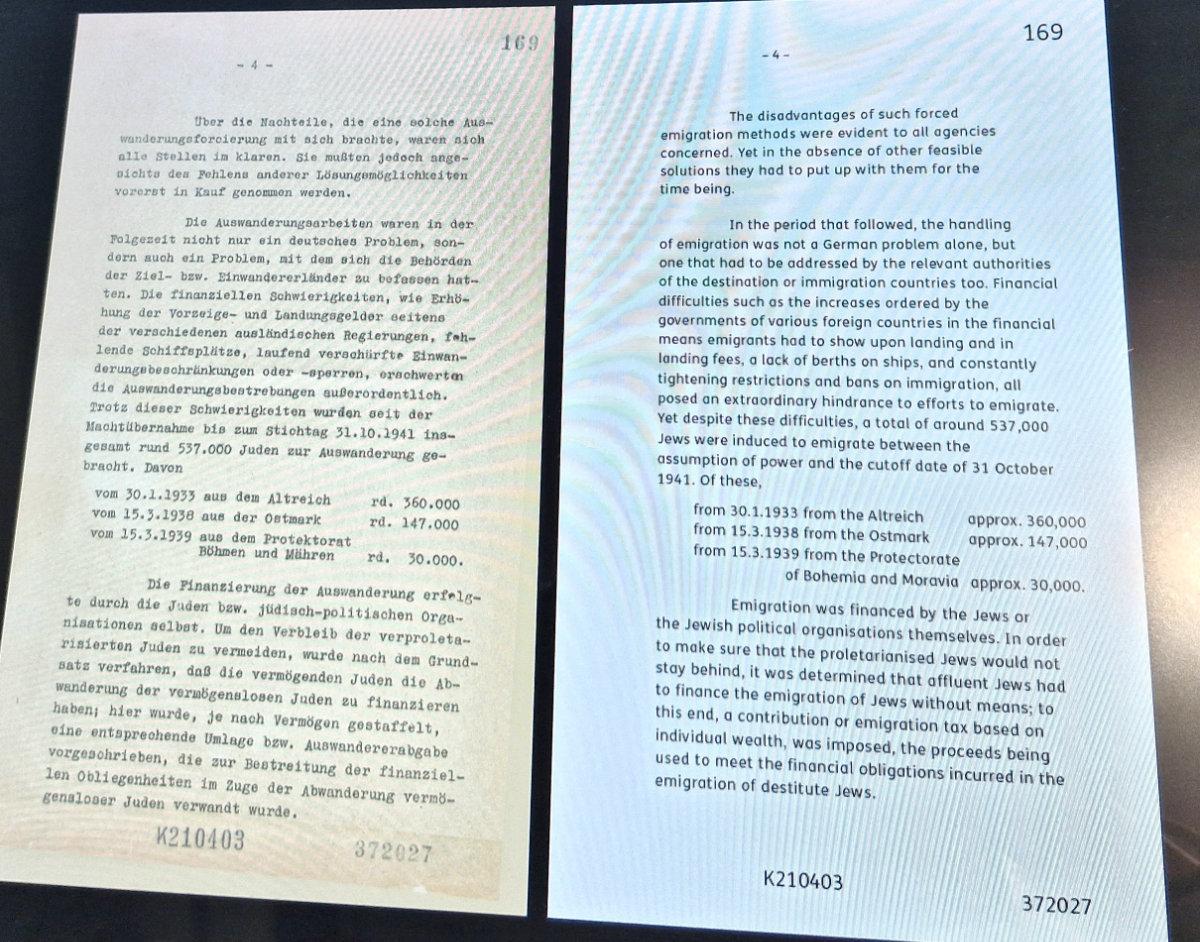
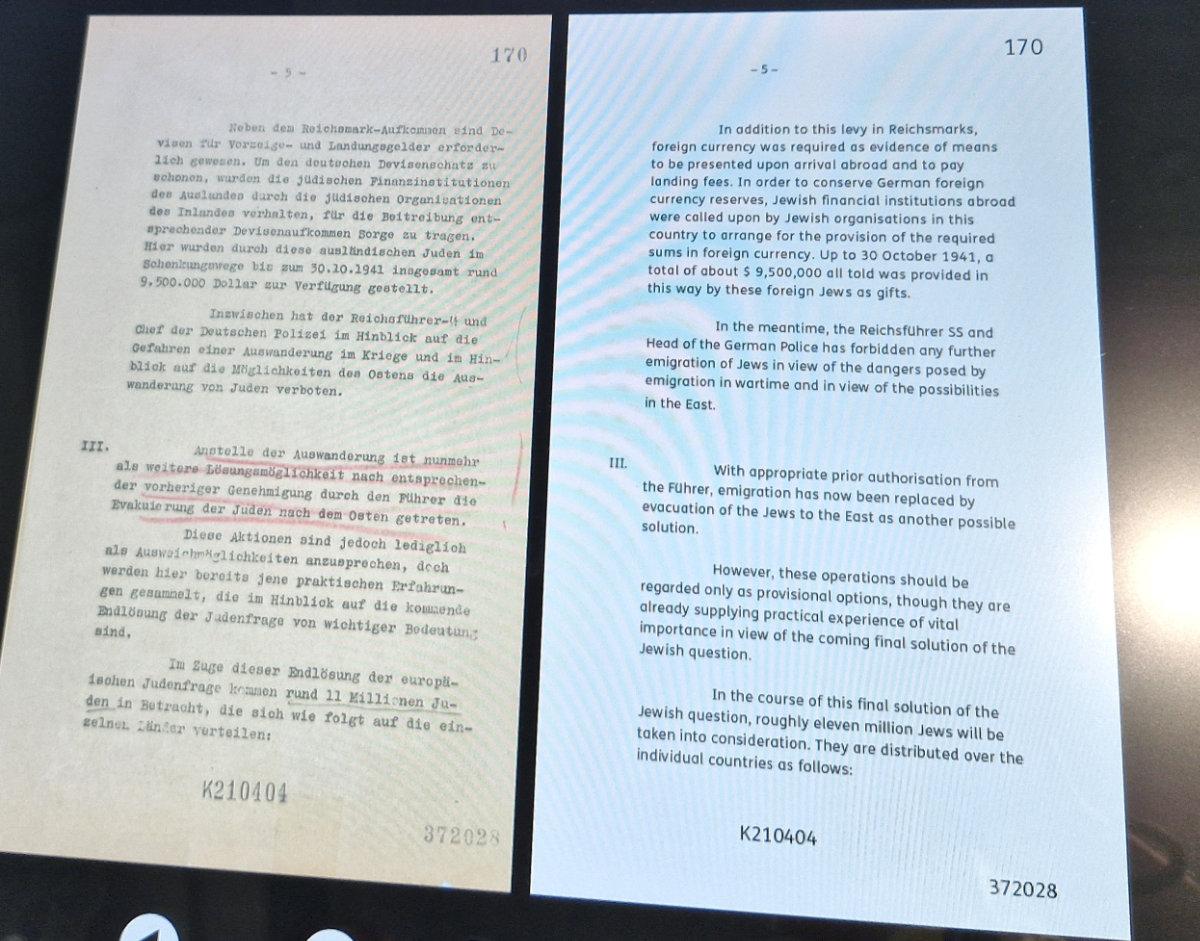
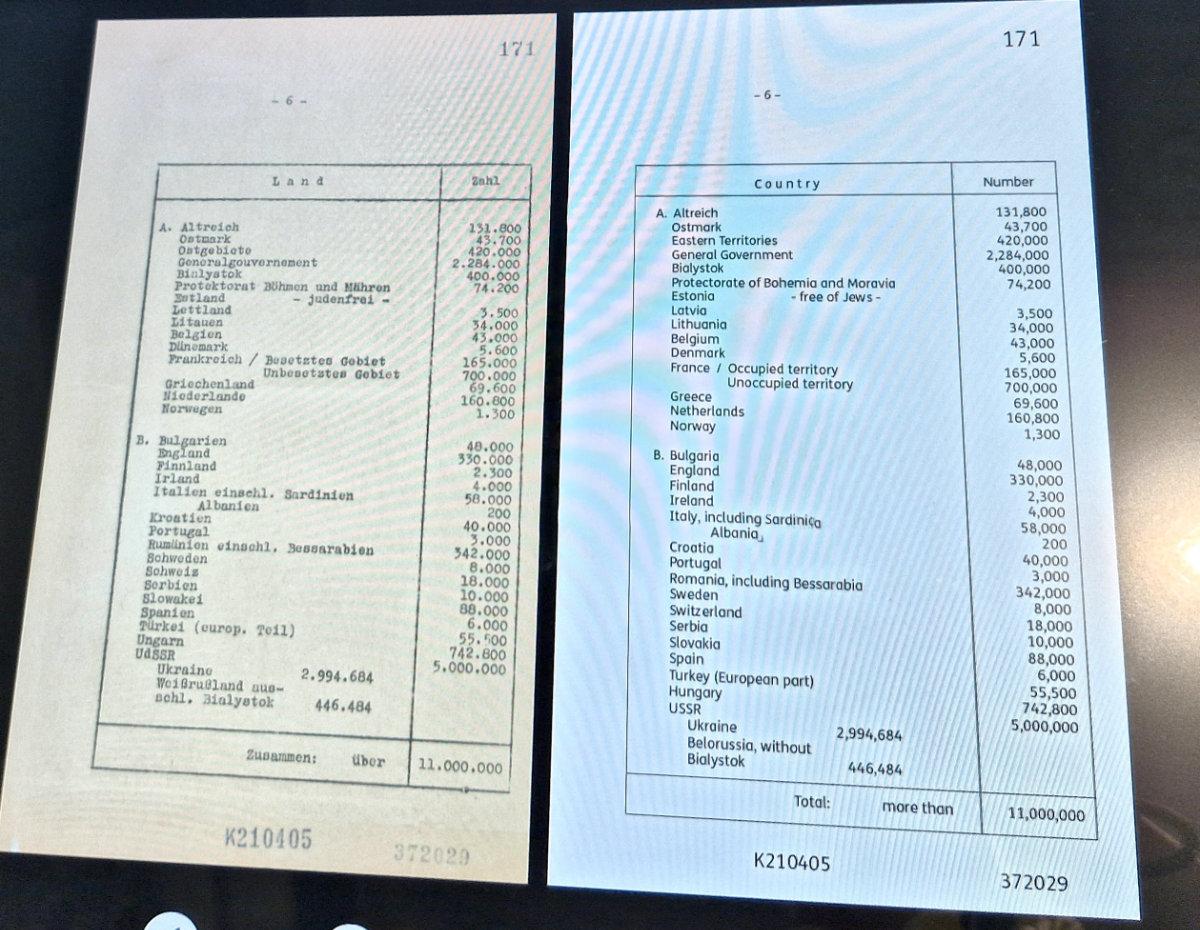
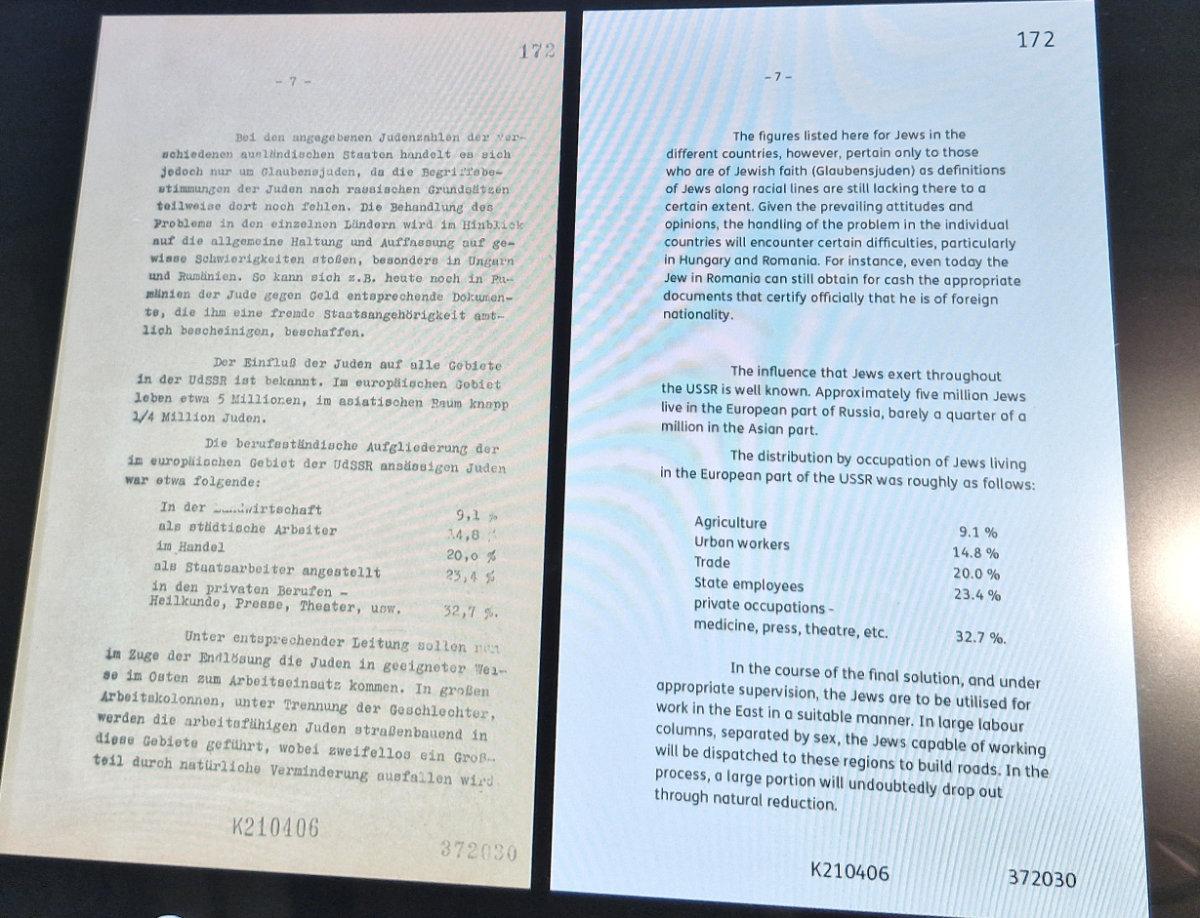
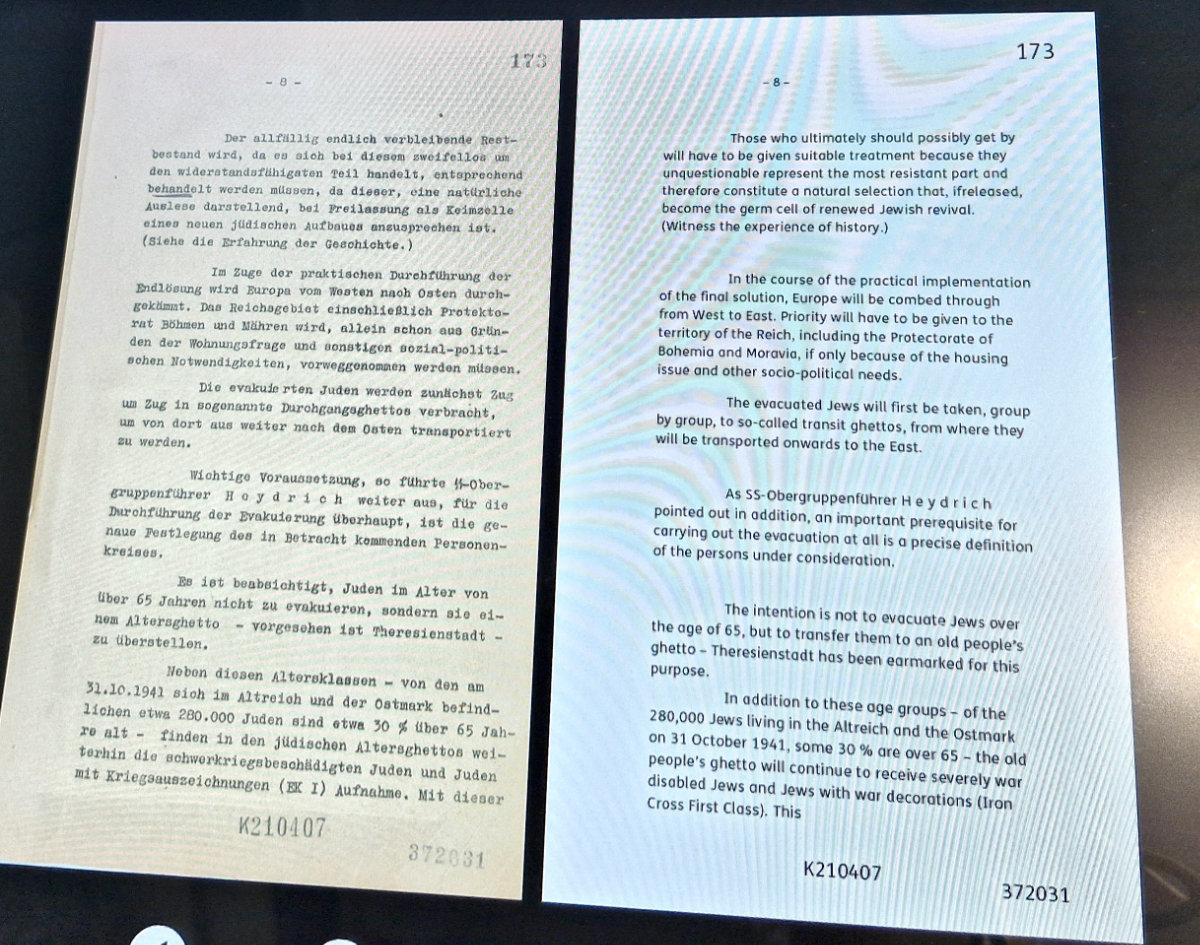
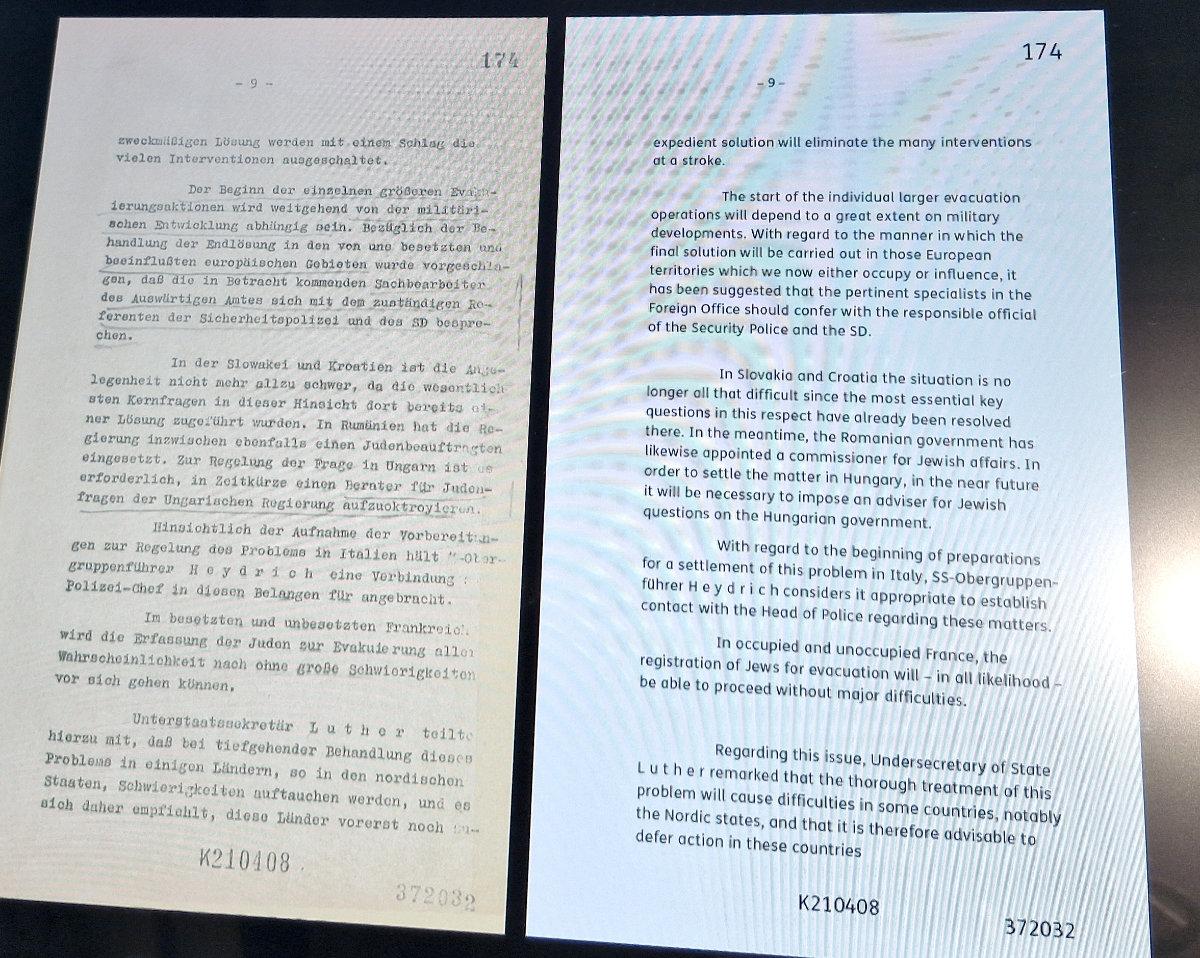
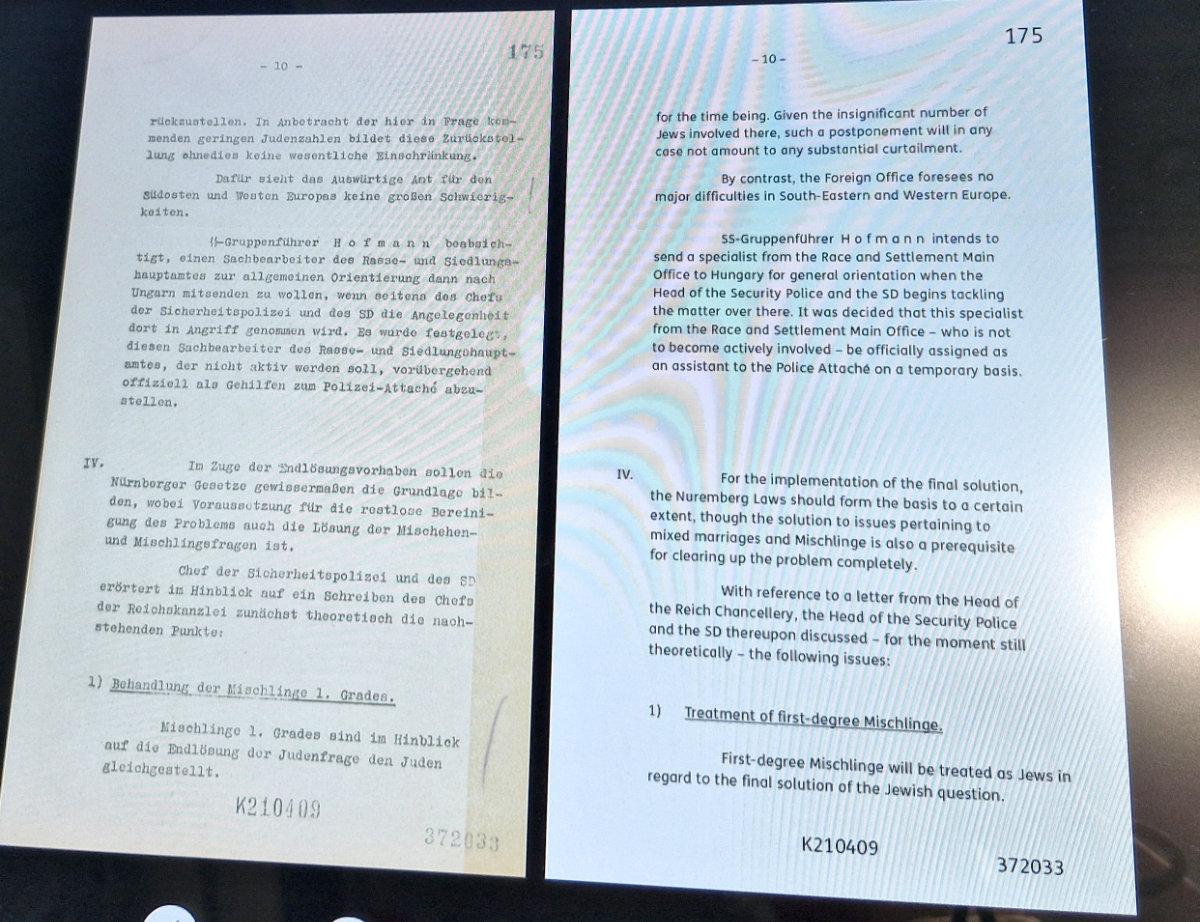
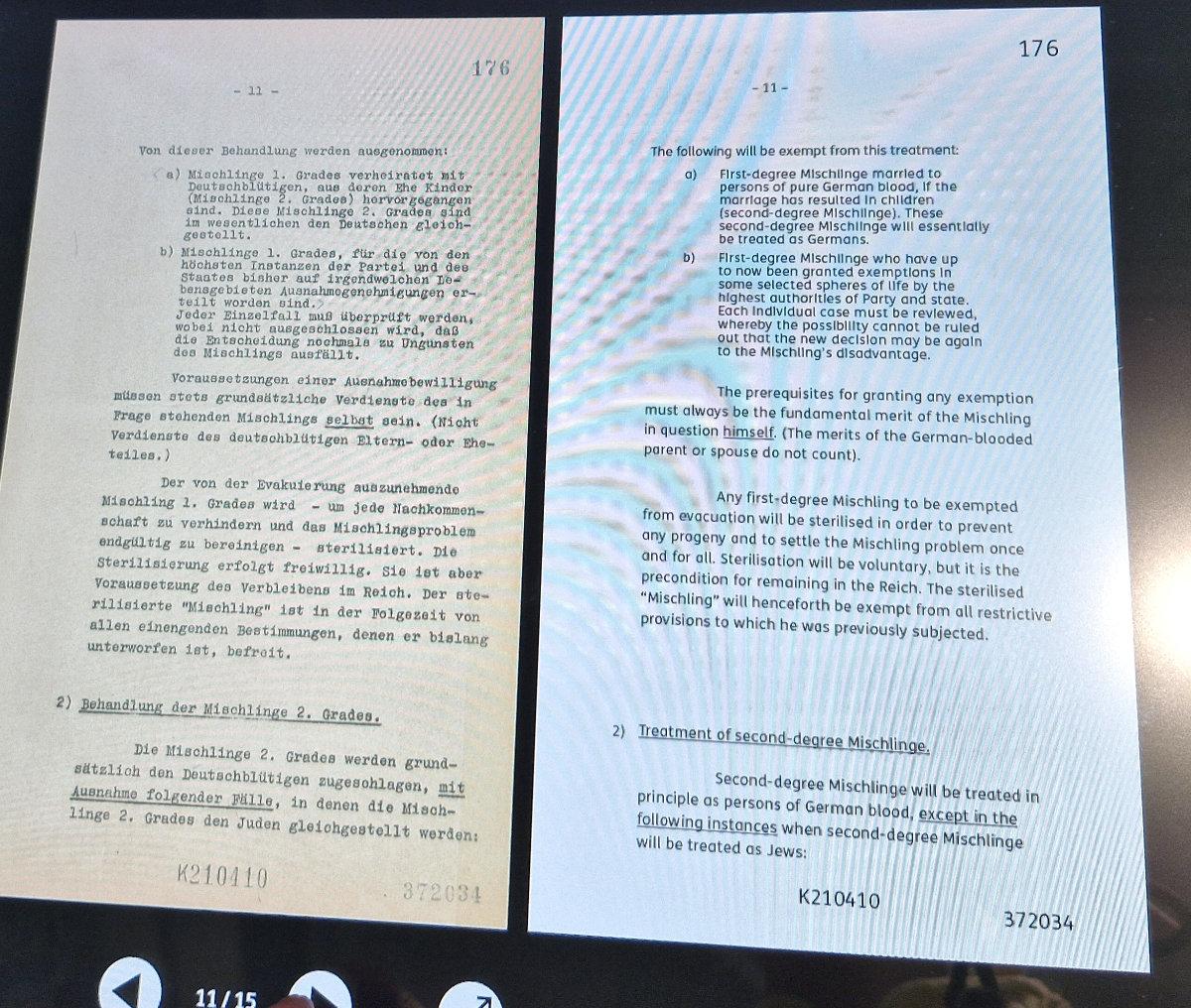
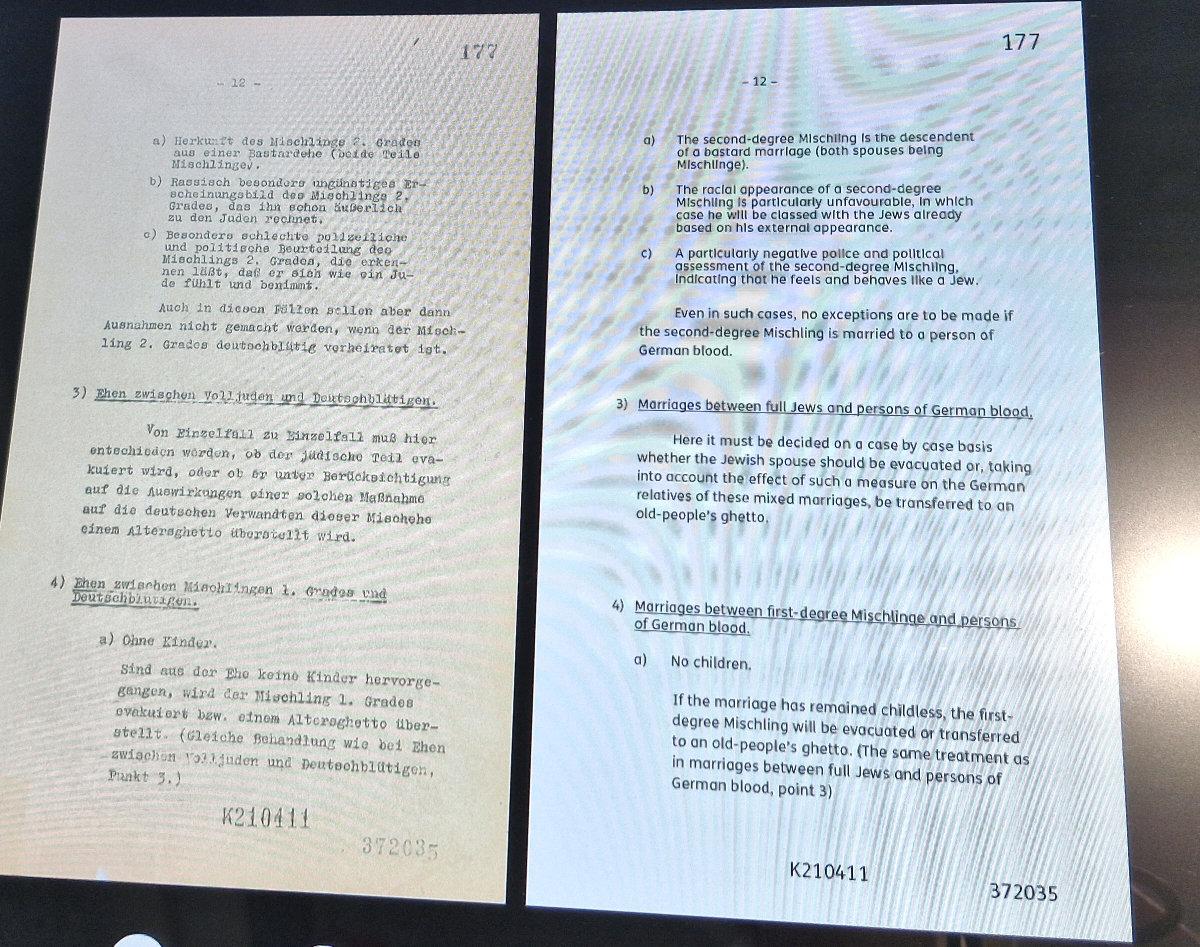
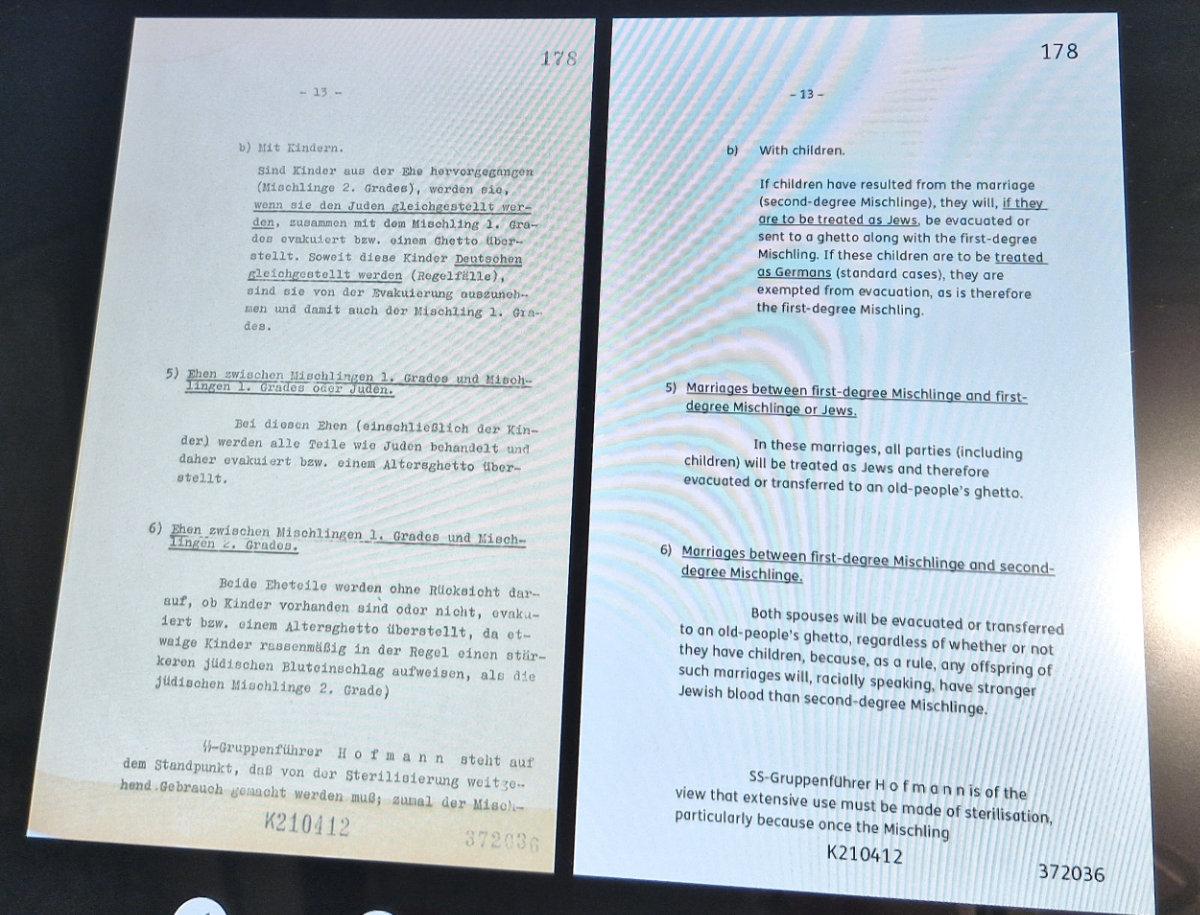
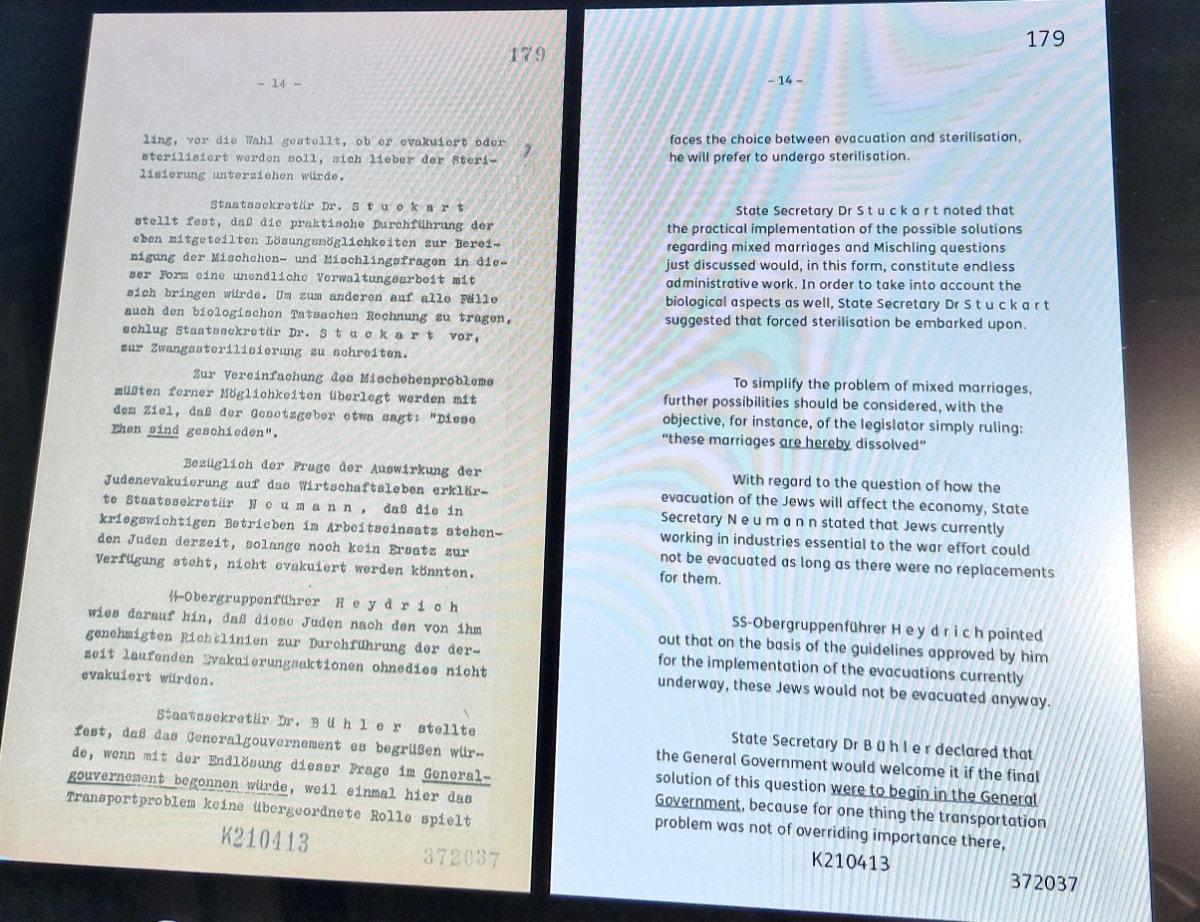
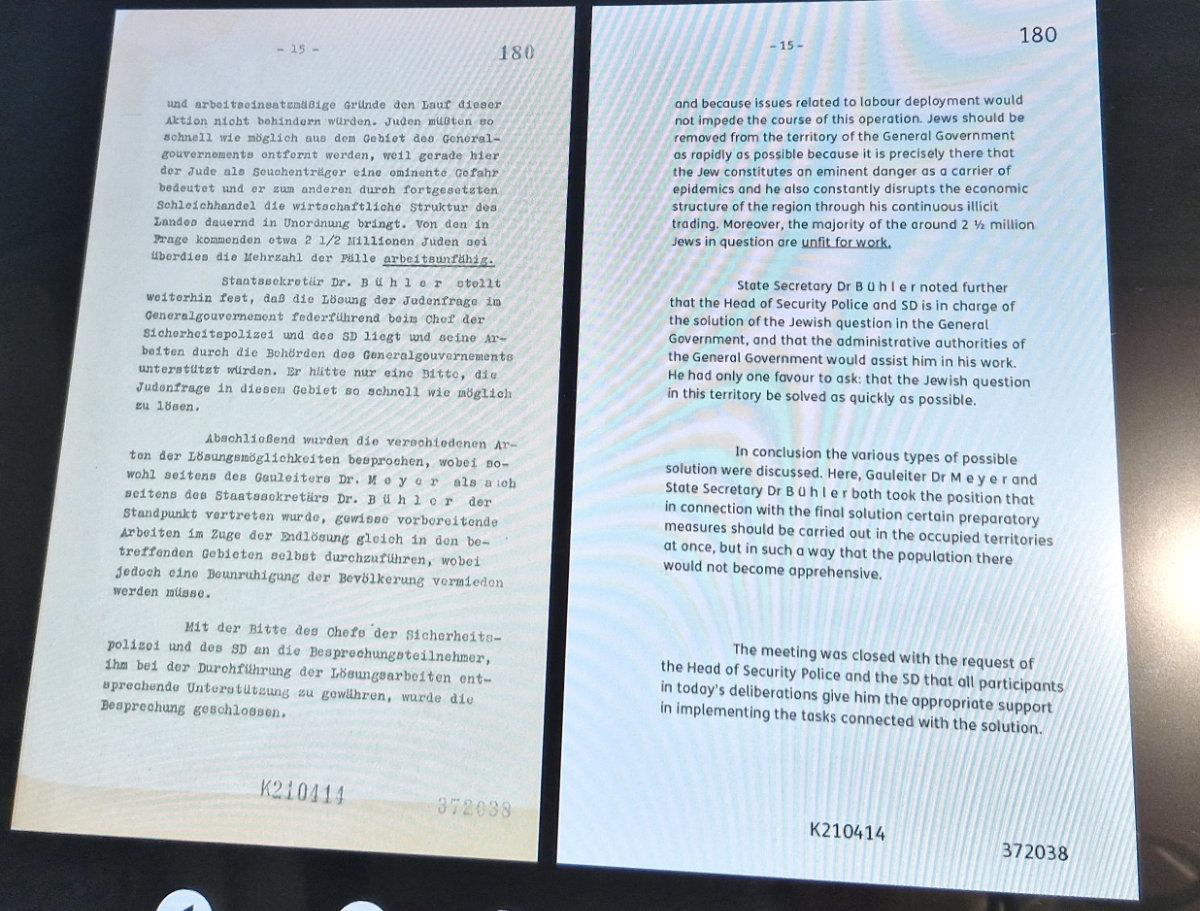
Minutes from the meeting, known as the Wannsee Protocol, remain one of the most significant surviving documents of the Holocaust.
Who was there and the Wannsee protocol
The meeting was convened by Reinhard Heydrich, Head of the Security Police and SD (Sicherheitsdienst secret service) also in attendance where:
Dr. Josef Bühler State Secretary, Government of the Governor General in Cracow
Adolf Eichmann Director of Section IV B 4, Reich Security Main Office (RSHA)
Dr Roland Freisler, Director of Section IV B 4, Reich Security Main Office (RSHA)
Otto Hofmann, Head of the Race and Settlement Main Office (RuSHA)
Dr Gerhard Klopfer, Permanent Secretary, Party Chancellery of the NSDAP
Wilhelm Kritzinger, Permanent Secretary, Reich Chancellery
Dr Rudolf Lange, Commander of the Security Police and the SD (KdS)
Dr Georg Leibbrandt, Permanent Secretary, Reich Ministry for the Occupied Eastern Territories
Martin Luther, Under-Secretary of State, Foreign Office
Dr Alfred Meyer, State Secretary, Reich Ministry for the Occupied Eastern Territories
Heinrich Müller, Head of Department IV Gestapo, Reich Security Main Office
Erich Neumann,State Secretary, Office of the Plenipotentiary for the Fourth Year Plan
Dr Eberhard Schöngarth, Commander in Chief of the Security Police and the SD (BdS)
Dr Wilhelm Stuckart, State Secretary, Reich Ministry of the Interior
The subject of the meeting was the “Final Solution of the Jewish Question”. Heydrich’s aim was to emphasise his leading role in the deportations and to involve important ministries and party departments in the preparations for the murder of the European Jews.
What You’ll See Inside
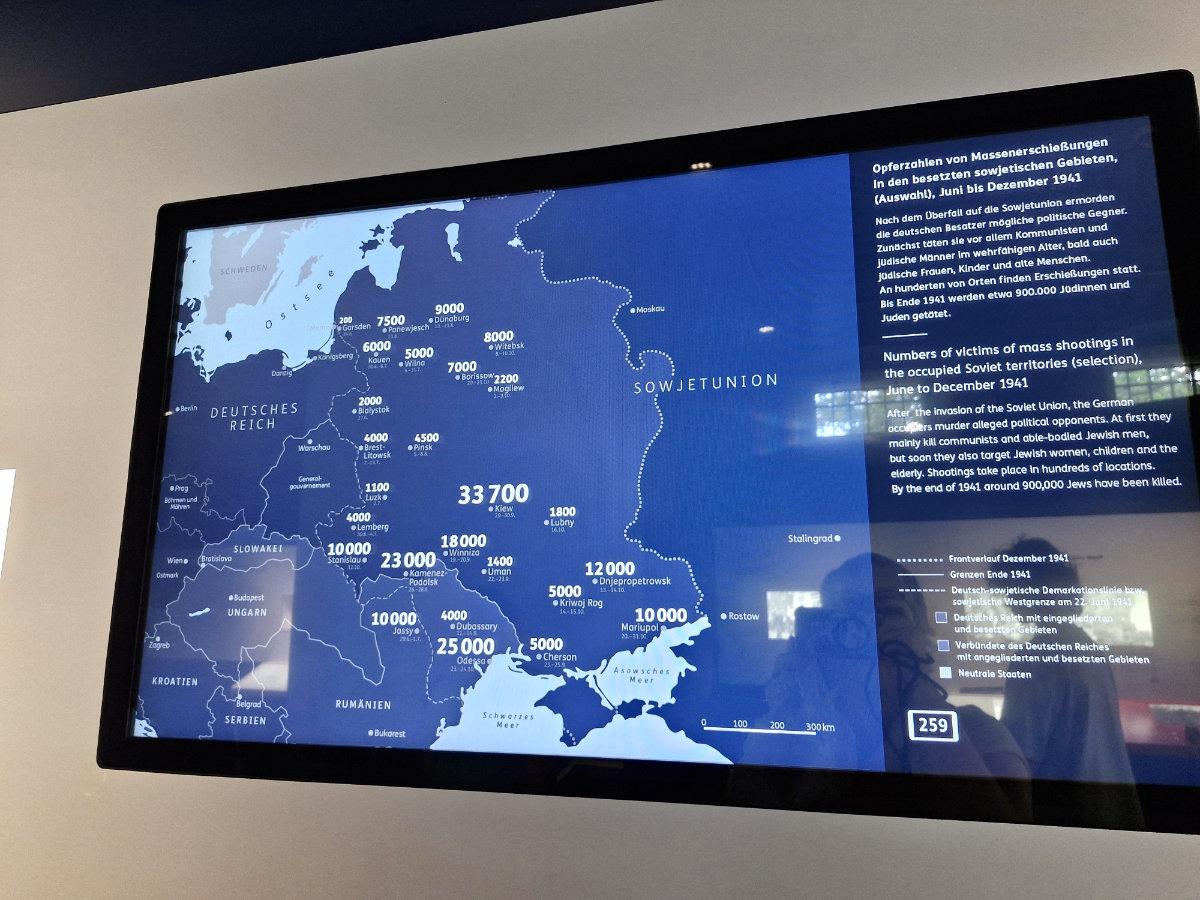
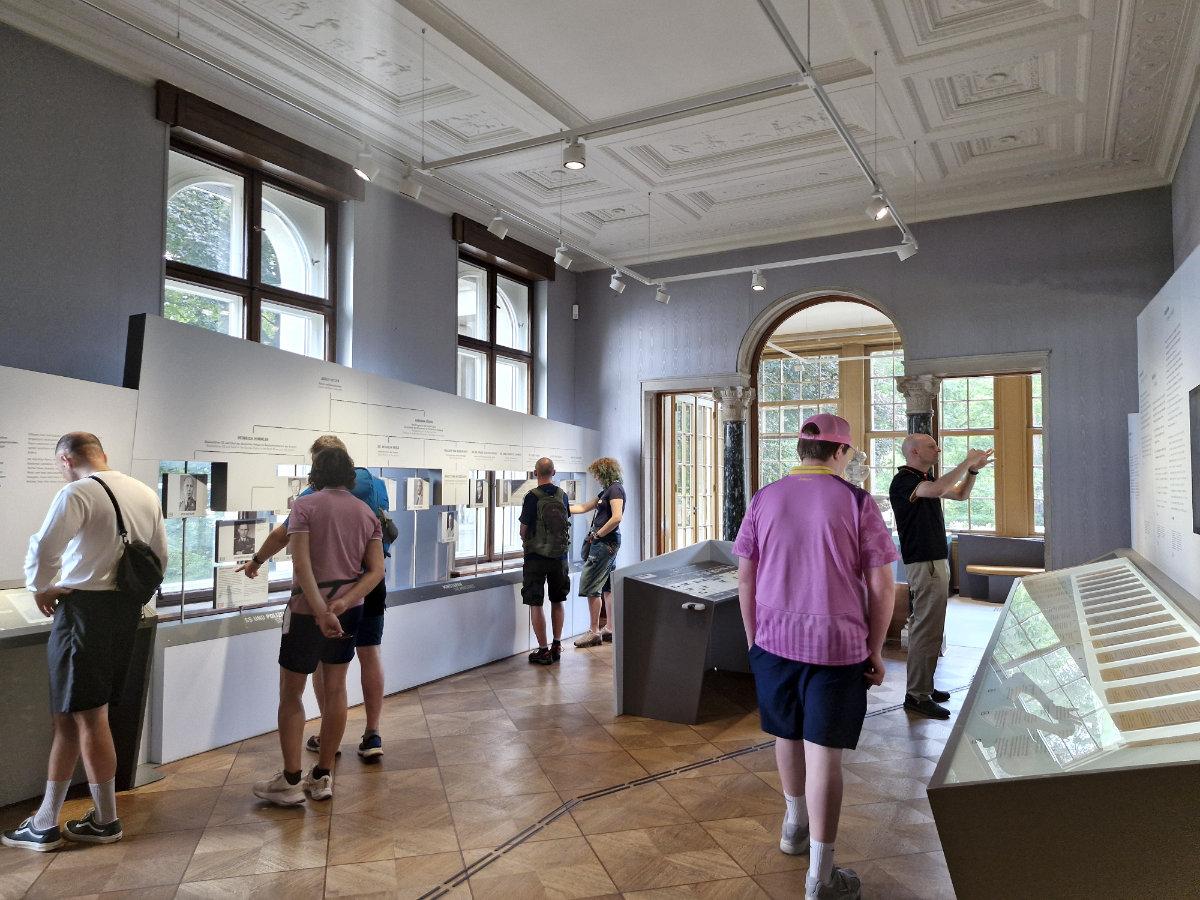
The House of the Wannsee Conference focuses on documentation and historical evidence. The exhibition uses original records, photographs and personal testimonies to explain: The rise of Nazi racial policy, Anti-Jewish legislation, Deportations across Europe, The Wannsee Conference itself, The bureaucratic planning behind genocide, and the aftermath of the Holocaust
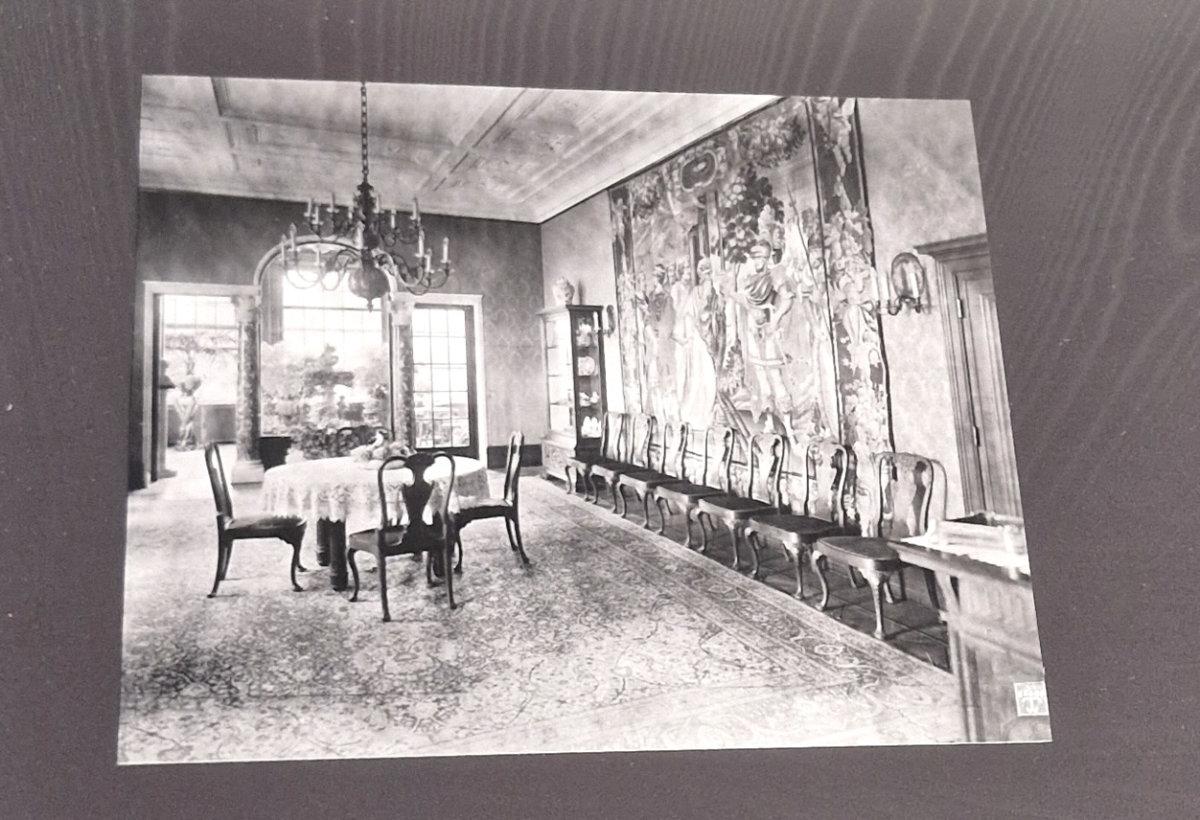
The Conference Room
One of the most moving parts of the visit is the room where the conference took place.
Standing inside the room offers a powerful reminder that decisions affecting millions of lives were discussed around a meeting table by government officials.
How Long Should You Allow?
Most visitors spend about 1 1/2 to 2 hours exploring the exhibition, longer if you are reading every document.
Accessibility
The memorial is accessible for wheelchair users, with lifts and accessible facilities available.
Best Time to Visit
Weekday mornings tend to be the quietest. Because admission is free, weekends can become busy.
What to see after your visit.
The peaceful gardens overlooking Lake Wannsee provide a quiet place for reflection after your visit.
Nearby Attractions
If you’re spending the day in the area, consider visiting:
Lake Wannsee – One of Berlin’s most popular lakes for walking, boating and relaxing.
Pfaueninsel (Peacock Island) – A UNESCO World Heritage Site with woodland walks and free-roaming peacocks.
Glienicke Bridge – The famous “Bridge of Spies” where Cold War prisoner exchanges took place.
Schloss Charlottenburg – Berlin’s largest royal palace.
Tips for Visiting
Allow plenty of time to absorb the exhibition.
Download the audio guide if available before arriving.
Combine your visit with a walk around Lake Wannsee.
This is not a suitable attraction for very young children due to the subject matter.
Be respectful, this is a memorial as well as a museum.
Why Visit the House of the Wannsee Conference?
Unlike many Holocaust memorials that focus on the camps themselves, the House of the Wannsee Conference explains how genocide was organised.
It demonstrates that the Holocaust was not carried out by a handful of individuals alone but relied on cooperation between ministries, civil servants, police and administrators.
The exhibition encourages visitors to consider the dangers of racism, antisemitism, authoritarianism and the misuse of government power.
It is an educational experience that leaves a lasting impression and is an essential visit for anyone wishing to understand both Berlin’s history and the wider history of the Holocaust.




Be the first to comment