
Auschwitz-Birkenau Foundation Launches Global Campaign
Auschwitz-Birkenau Foundation Launches International Campaign to Preserve Historic Holocaust Documents
The Auschwitz-Birkenau Foundation has launched a new international fundraising campaign aimed at protecting and preserving original documents connected to Nazi concentration and extermination camps.
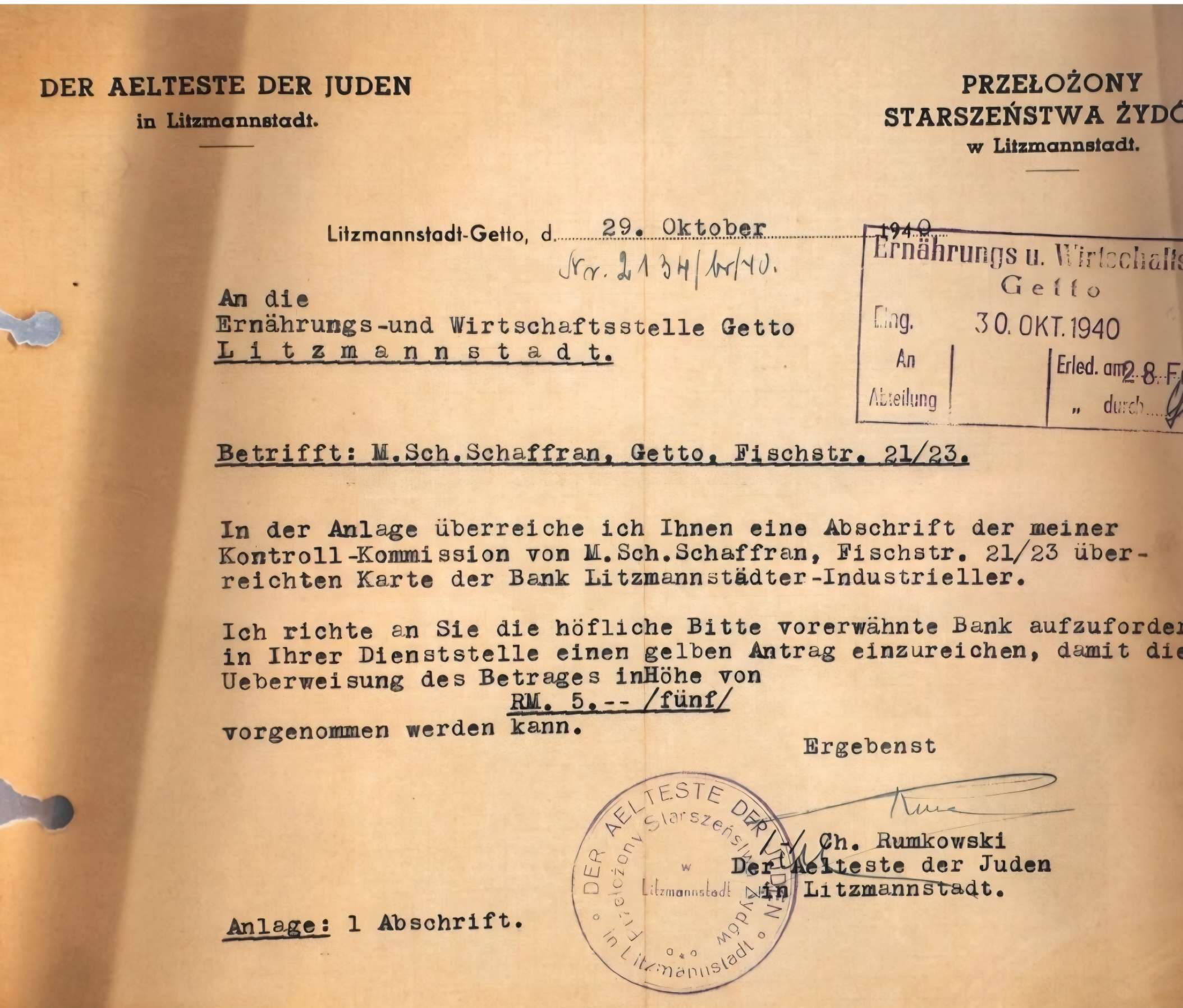
Named “Camp Mail – Purchase of Documents”, the initiative seeks to acquire historically significant letters, postcards, administrative records and personal correspondence linked to victims and survivors of the Holocaust before they disappear into private collections.
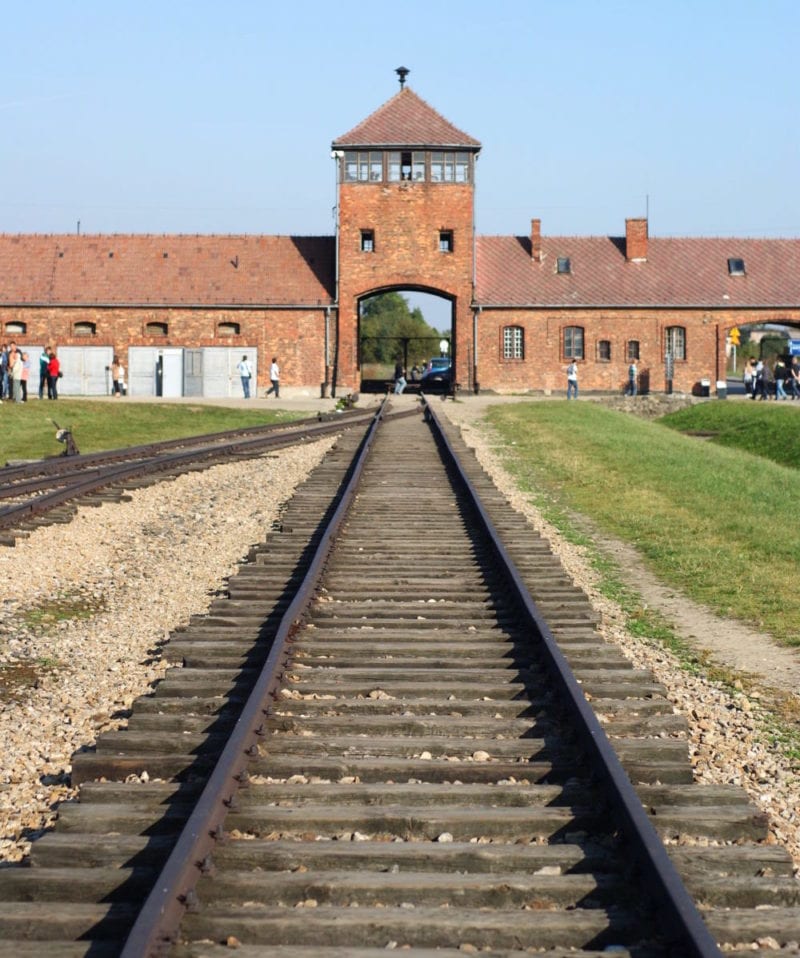
The campaign was prompted by an auction in Germany during 2025 that included more than 600 original documents originating from concentration camps, ghettos and other locations connected to Nazi crimes. Among the items were prisoner letters, postcards sent from camps, official correspondence and administrative records.
According to the Foundation, these documents represent invaluable historical evidence and deeply personal testimonies from those affected by the Holocaust.
Following international concern over the sale, the auction was suspended. With support from the State of North Rhine-Westphalia, private donors and financial backing from the Auschwitz-Birkenau Foundation, a substantial collection of these materials was secured and will now be transferred to the Auschwitz Memorial. There, the documents will undergo professional conservation, archiving and cataloguing before being made available to researchers, educators and future generations.
The Foundation highlights that these artefacts are far more than historical records. Each letter, postcard and document offers a personal glimpse into the lives of individuals imprisoned under the Nazi regime, helping to preserve identities that the system sought to erase.
Wojciech Soczewica, CEO of the Auschwitz-Birkenau Foundation, said the campaign was created to ensure these unique historical testimonies remain accessible for education and remembrance rather than becoming inaccessible in private ownership.
The project has also highlighted the growing international trade in original concentration camp documents and Holocaust-related memorabilia. The Foundation warns that many historically important items continue to appear at auctions around the world, creating the risk that valuable evidence and personal testimonies could be lost to public research and education.
Piotr M. A. Cywiński, Director of the Auschwitz-Birkenau Memorial and Museum, stressed the importance of preserving these records.
«”Objects and documents connected with the history of extermination centres and concentration camps are not only evidence of crimes against humanity, but also essential source materials for historians and researchers. When documents relating to individual victims disappear into private collections, opportunities to study and remember those lives can be lost.”»
As a result of the campaign, auction houses from several countries have begun approaching the Foundation with opportunities to acquire similar collections. However, future acquisitions depend on securing additional financial support.
To encourage donations, the Bethe Foundation in Germany has pledged to match all contributions made between 1 May and 31 July 2026, effectively doubling every donation received during that period.
The Auschwitz-Birkenau Foundation hopes the campaign will help safeguard important historical documents while ensuring the stories and experiences of Holocaust victims remain accessible to future generations.
For more information about the campaign and the work of the Auschwitz-Birkenau Foundation, visit the Foundation’s official website.