
 Emma Mykytyn
Longplayer London at Trinity Buoy Wharf
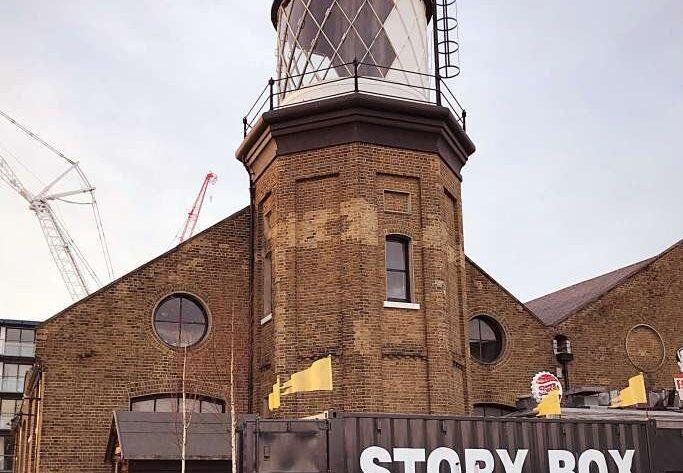
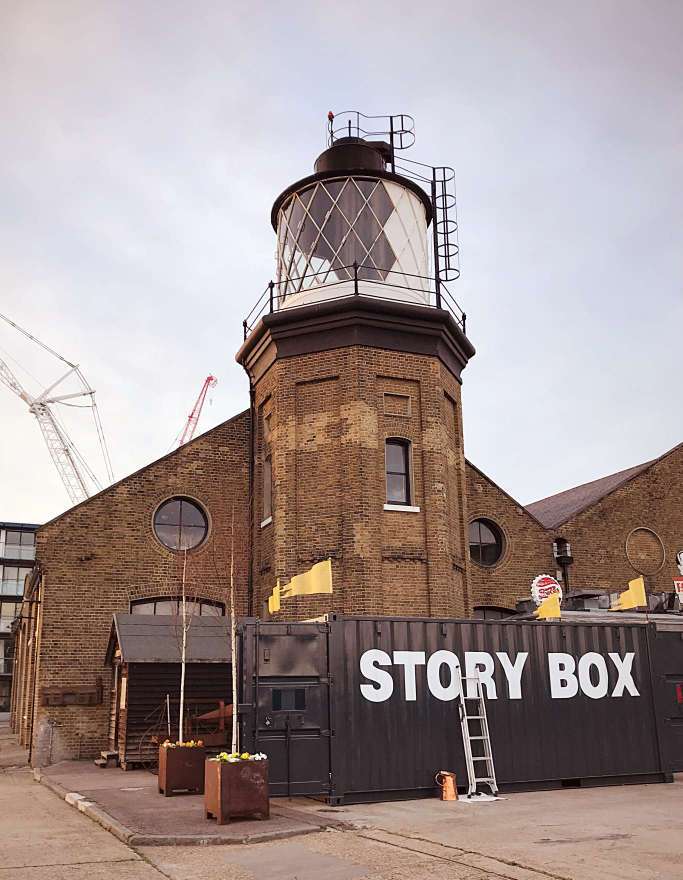
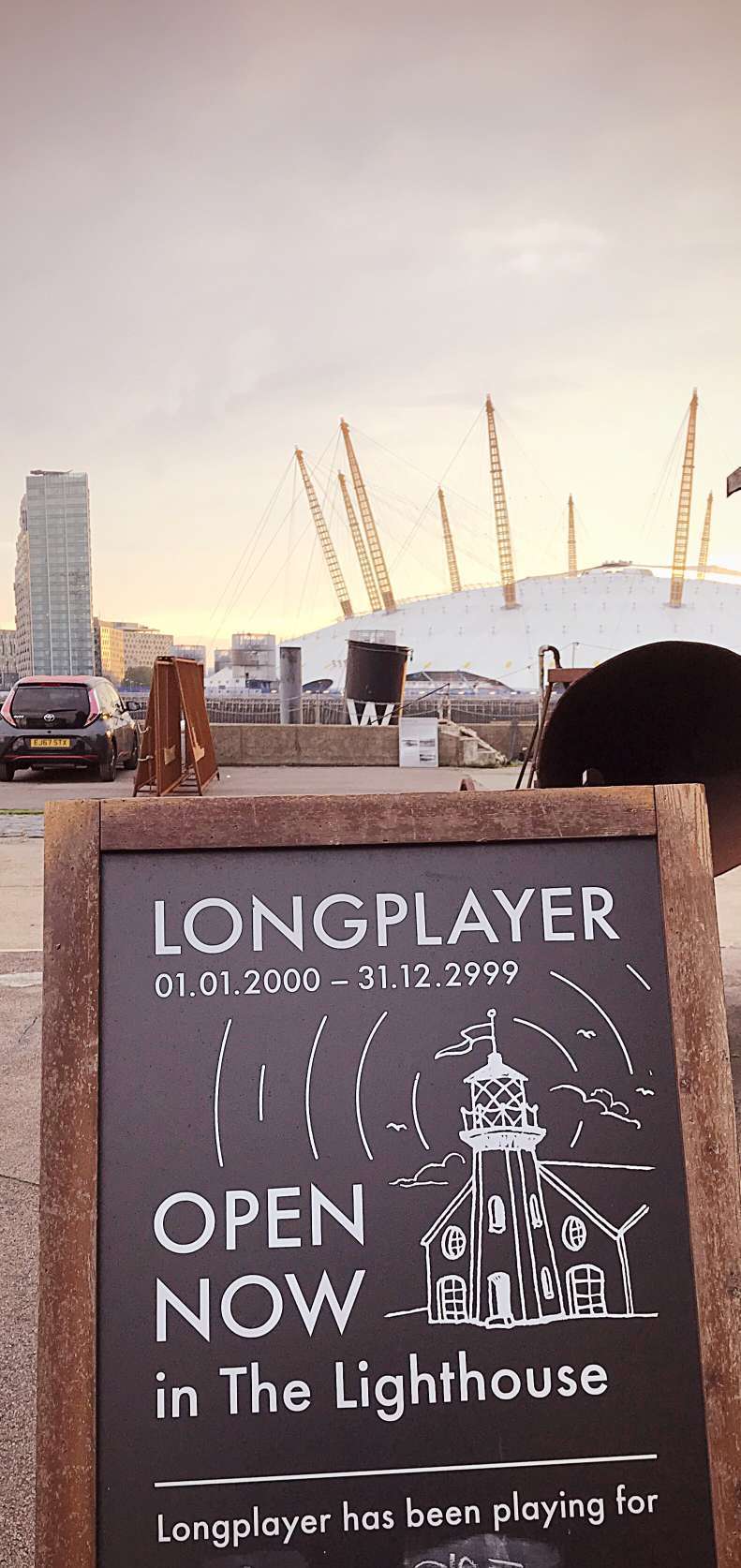
Hidden inside London’s only lighthouse is one of the capital’s most unusual attractions. Longplayer is a musical composition designed to play continuously for 1,000 years without ever repeating itself.
Created by musician and artist Jem Finer, best known as a founding member of The Pogues, Longplayer began playing at midnight on 31st December 1999. It is designed to continue until the final moments of the year 2999.
What is Longplayer?
Longplayer is an ever-changing sound installation made using the tones of Tibetan singing bowls. The music is generated through a carefully designed system that layers and shifts musical sections so that the same combination does not repeat during its thousand-year cycle.
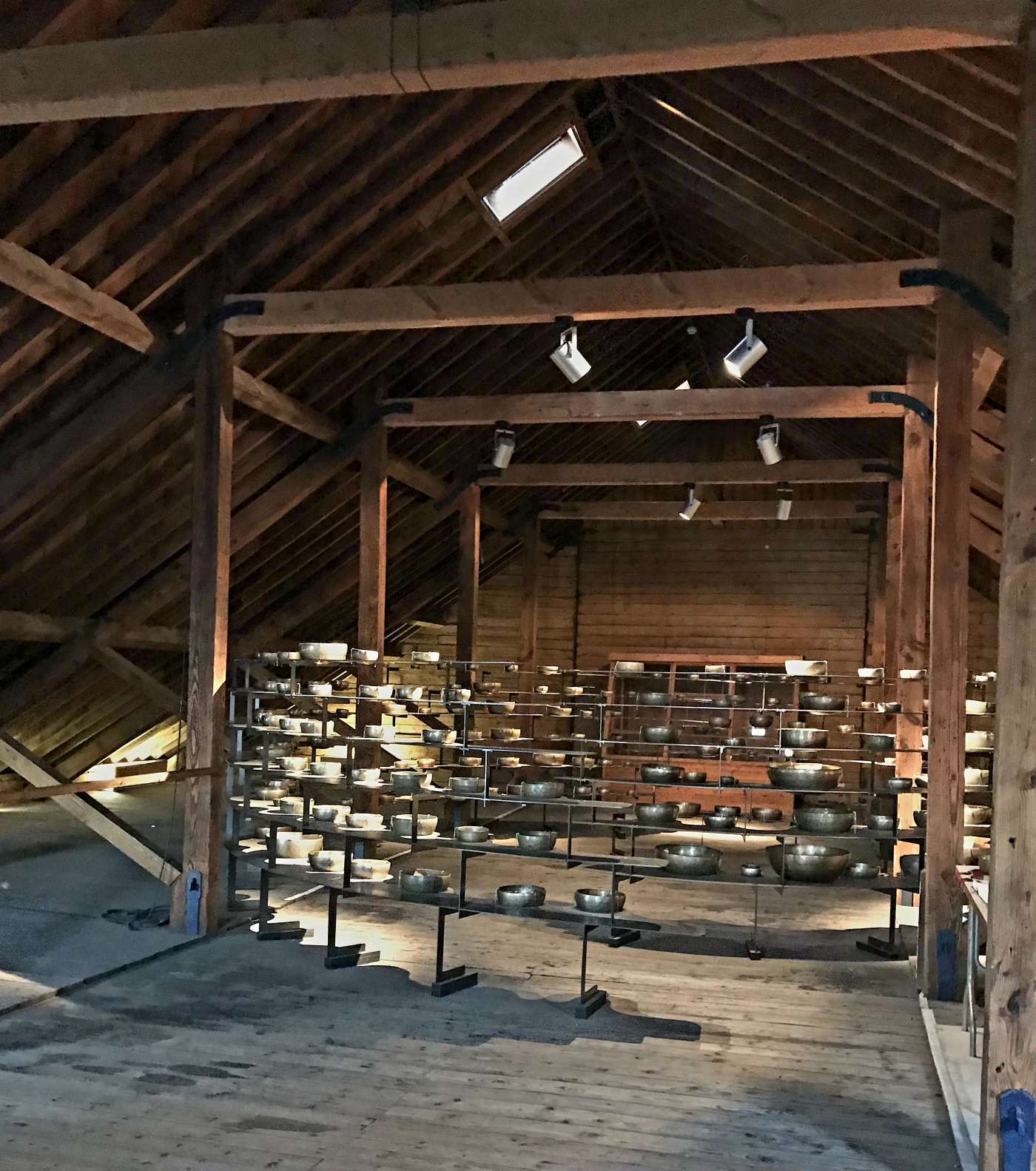
The result is slow, meditative and strangely moving. Step inside the lighthouse at Trinity Buoy Wharf and you are surrounded by a piece of music that has already been playing for decades — and is intended to continue long after all of us are gone.
More unusual places to visit in London
Where is Longplayer?
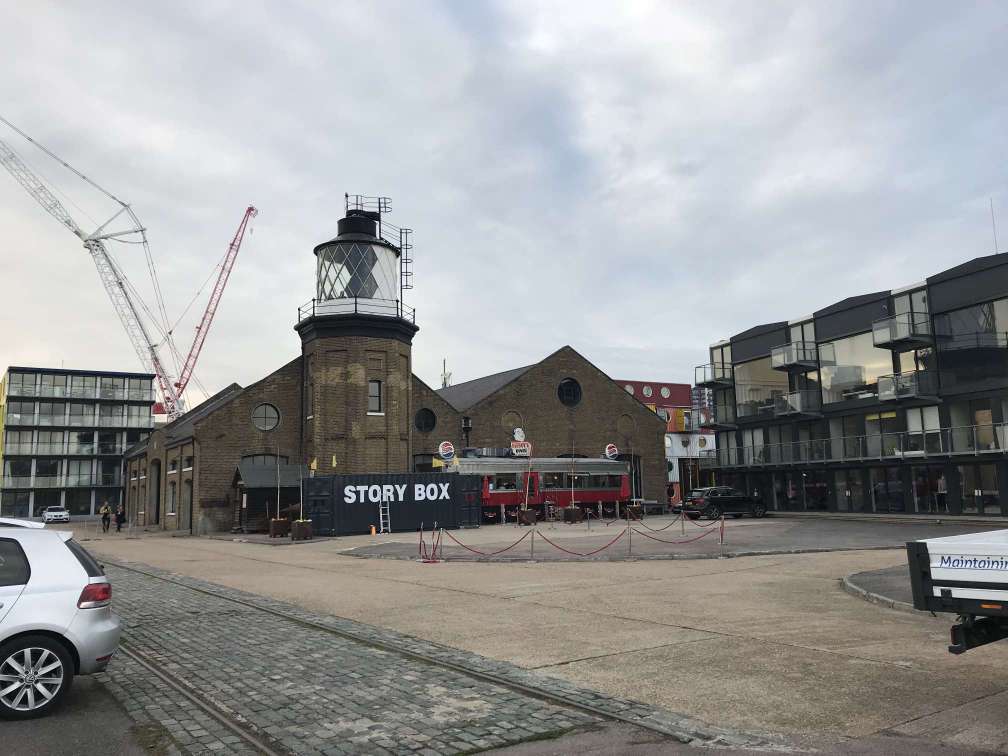
Longplayer’s permanent home is inside the lighthouse at Trinity Buoy Wharf, a creative riverside site in East London.
Address:
Trinity Buoy Wharf
64 Orchard Place
Poplar
London
E14 0JW
The site is open to the public every day except Christmas Day, usually from 7am to 7pm. The lighthouse itself has more limited access, so check current opening times before travelling.
Check for up to date information from the Longplayer website.
How to get to Longplayer
By DLR
The nearest DLR station is East India. From there, it is around a 10-minute walk to Trinity Buoy Wharf.
By Tube
The closest London Underground station is Canning Town on the Jubilee Line. From Canning Town, it is roughly a 10 to 15-minute walk via City Island and Orchard Place.
By Bus
Bus route D3 stops nearby at Orchard Place, close to Trinity Buoy Wharf. Other local bus routes serve Canning Town and the surrounding Docklands area.
By car
Public transport is the easiest option, as parking at Trinity Buoy Wharf is limited.
Why visit Longplayer?
Longplayer is not a typical London attraction. There are no flashing screens, no big crowds and no quick photo opportunity. Instead, it is a quiet, thoughtful experience that connects music, time, technology and the future.
It also gives you a reason to explore Trinity Buoy Wharf, one of East London’s most interesting hidden corners. Alongside the lighthouse, you’ll find riverside views, public art, creative studios and places to eat and drink nearby.
Accessibility
Please note that there is no step-free access to the lighthouse. The staircase is narrow and fairly steep, with limited numbers allowed on the stairs at one time.
Foodie Explorers tip
Make a longer East London day of it by combining Longplayer with a wander around Trinity Buoy Wharf, a look across the Thames towards The O2, and a stop for coffee or lunch nearby.
Longplayer London FAQ
What is Longplayer?
Longplayer is a musical composition designed to play for 1,000 years without repeating. It began on 31st December 1999 and is scheduled to continue until 2999.
Where can you hear Longplayer in London?
You can hear Longplayer inside the lighthouse at Trinity Buoy Wharf in East London.
Is Longplayer free to visit?
Longplayer is free to visit, although access to the lighthouse may depend on opening times and capacity.
What is the nearest station to Longplayer?
The nearest DLR station is East India. Canning Town Underground station is also within walking distance.
Is Longplayer suitable for children?
Children may find the lighthouse and unusual sound installation interesting, but the narrow staircase means care is needed when visiting with younger children.
Is there step-free access to Longplayer?
No, there is no step-free access to the lighthouse where Longplayer is located.