 Emma Mykytyn
Lufthansa Exhibition at Berlin Tempelhof Explores Aviation History with Special June Events
Visitors to Berlin’s historic Tempelhof Airport can delve deeper into the complex history of Lufthansa this June through a series of special events accompanying the new exhibition “Lufthansa. Berlin-Tempelhof 1926–1945. Between Civil and Military Aviation” at the THF Tower.
The exhibition, which opened on 28 May, examines Lufthansa’s development from its founding in 1926 through to the end of the Second World War. Situated at the airline’s former home airport, the exhibition explores both its role in the growth of civil aviation and its involvement in Germany’s military ambitions during the Nazi era.
To complement the exhibition, Tempelhof Projekt GmbH has announced two free public events that offer visitors the chance to explore lesser-known aspects of Lufthansa’s history.
Examining Lufthansa’s Wartime Legacy
On 10 June 2026, a panel discussion titled “Lufthansa: History and Responsibility after 1945” will bring together leading historians to examine the airline’s relationship with the Nazi regime and the challenges it faced in addressing its past after the war.
The discussion will explore Lufthansa’s use of forced labour during the Second World War, the involvement of senior company figures with the Nazi leadership, and the airline’s efforts to confront its historical legacy following its re-establishment in the 1950s.
Company historian Roman Köster will be joined by Lufthansa historians Lutz Budrass and Manfred Grieger for the event.
Flights to Freedom
A second event on 17 June 2026 will shine a light on a little-known chapter of aviation history.
Historian Carolin Liebisch-Gümüş will present “Flights into Exile: Lufthansa and Escape from National Socialism”, exploring how commercial air travel became a vital escape route for many people fleeing Nazi persecution.
While stories of refugees escaping by train or ship are well documented, the role of aviation is often overlooked. The lecture will examine how Lufthansa’s international routes enabled some Jewish refugees and other persecuted individuals to leave Germany, particularly from 1938 onwards as conditions deteriorated.
The talk will also address the airline’s complex position as both the national carrier of Nazi Germany and, for some, a means of escape.
Visiting the Events
Both events take place at the THF Tower, Tempelhofer Damm 45, Berlin, starting at 7pm, with doors opening at 6.30pm.
Admission is free, although advance registration is required.
About the Exhibition
Running at the THF Tower, “Lufthansa. Berlin-Tempelhof 1926–1945” traces the airline’s rise from its beginnings at Tempelhof Airport to its temporary dissolution following the Second World War.
Through documents, photographs and historical research, the exhibition examines Lufthansa’s connections to the political and military developments of the era, including its role in the rebuilding of German air power and its use of forced labour during the war.
The exhibition also looks beyond 1945, exploring how the newly founded Lufthansa of the 1950s dealt with personnel continuity and questions of historical responsibility.
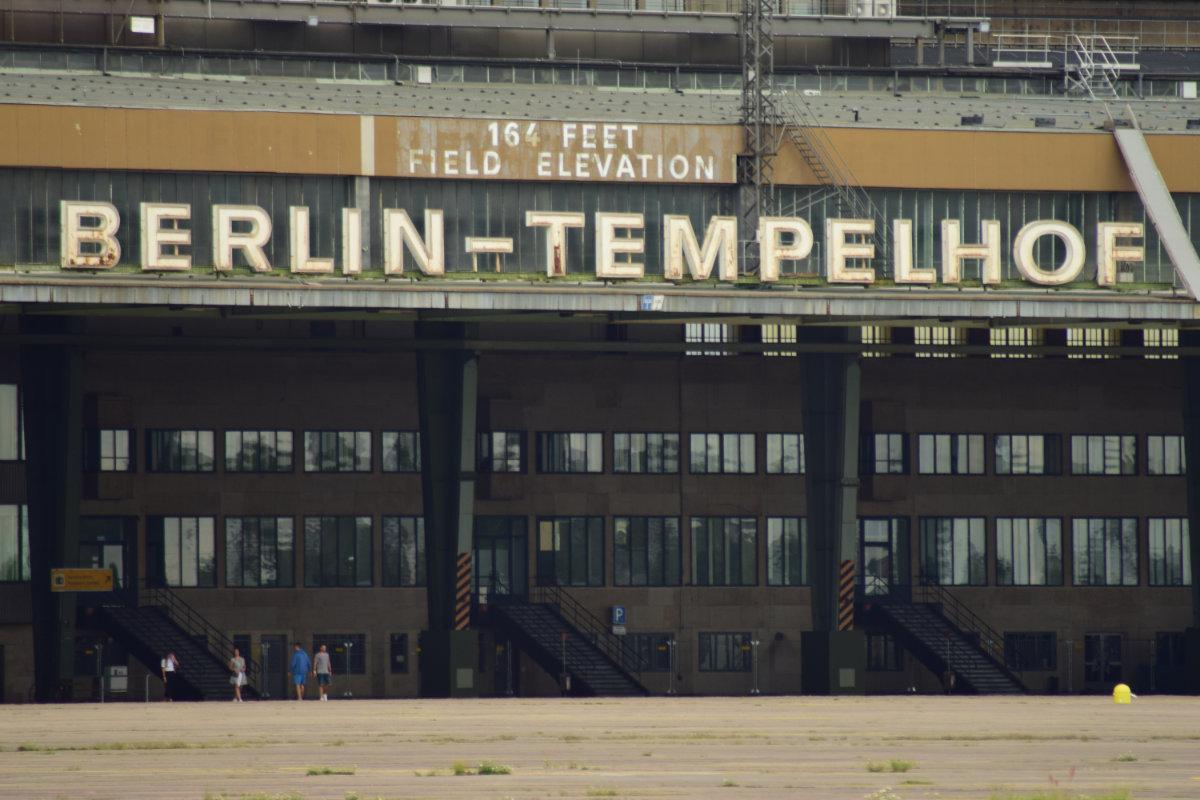
Located within one of Europe’s most significant aviation landmarks, the exhibition forms part of Tempelhof’s ongoing programme of cultural events, helping to bring the history of the iconic airport to new audiences.