 Emma
Emma Konrad Schumann Berlin Wall Jump: The Story, Location & How to Visit
Discover the story behind one of the most iconic moments of the Cold War and how to visit the exact spot in Berlin today.
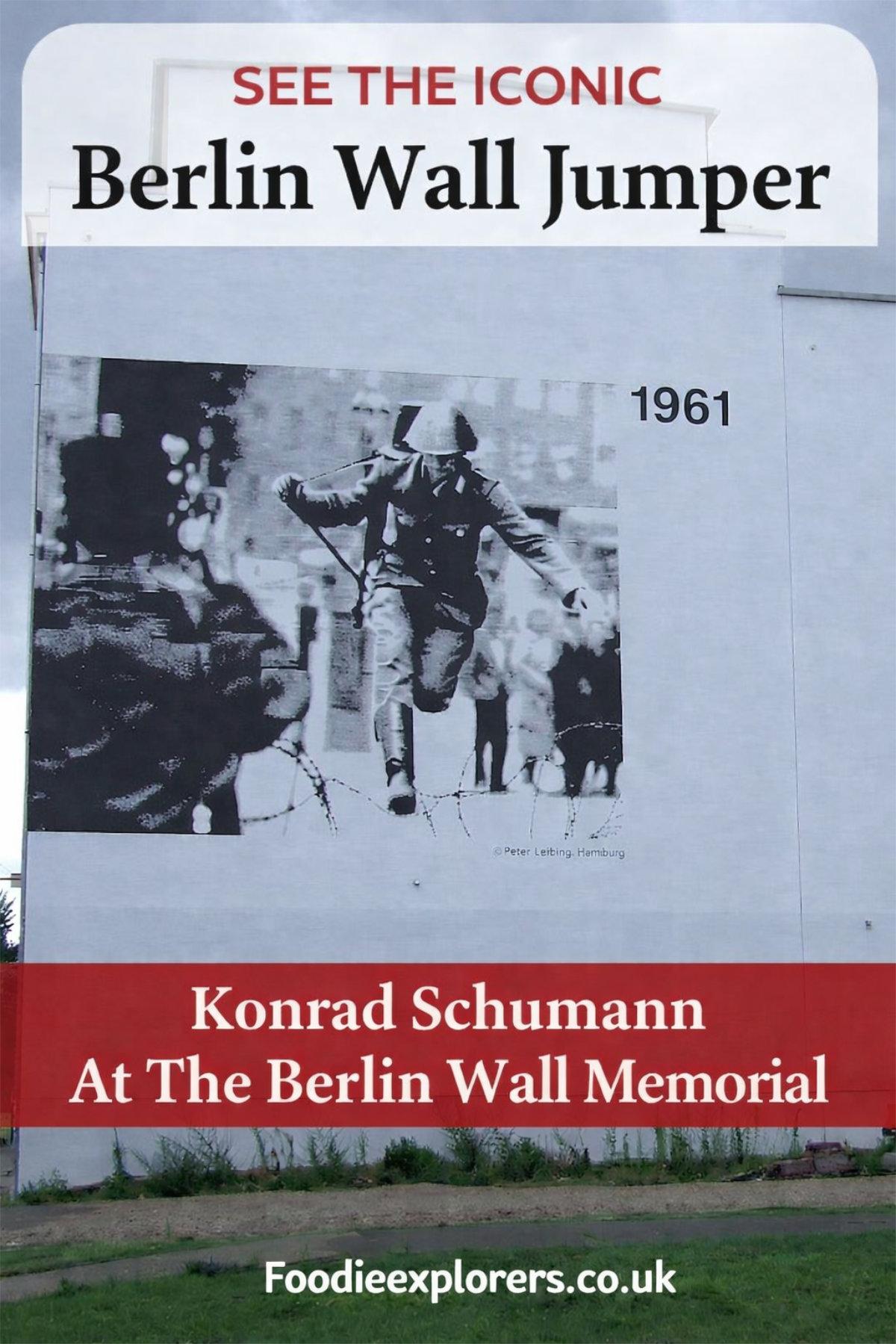
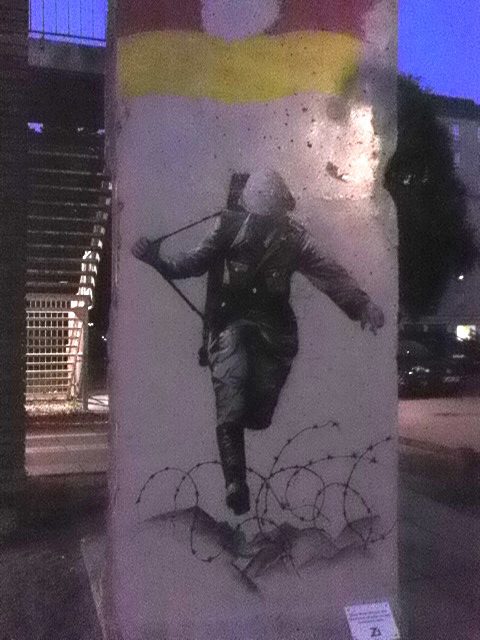
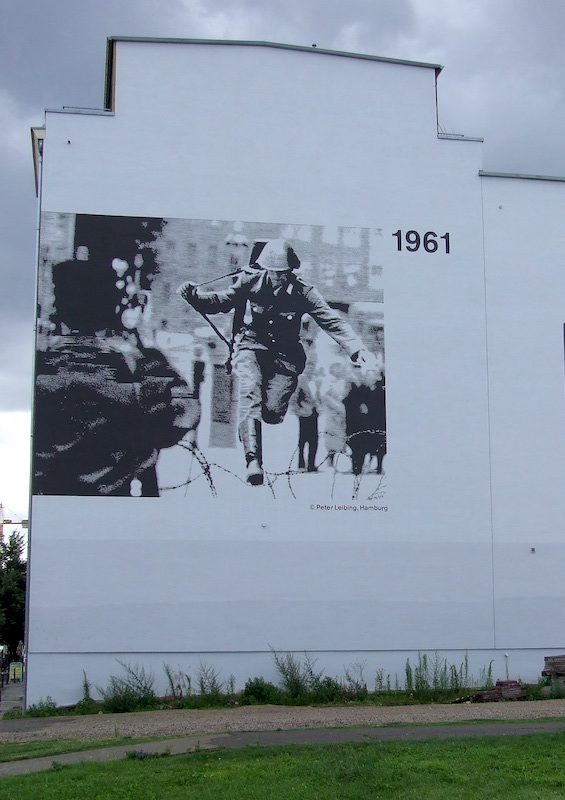
The image of Konrad Schumann leaping over barbed wire is one of the most powerful symbols of the Cold War. Captured in a split second, his daring escape during the early days of the Berlin Wall construction became a global icon of freedom and resistance.
If you’re planning a trip to Berlin, you can still stand in the exact place where this historic moment unfolded.
Who Was Konrad Schumann?
Konrad Schumann was a 19-year-old East German border guard stationed in Berlin in August 1961, just days after the Berlin Wall began dividing the city.
Tasked with guarding the border between East and West Berlin, Schumann quickly became conflicted. Like many at the time, he struggled with enforcing restrictions that separated families and limited freedom.
On 15 August 1961, he made a split-second decision that would change his life forever.
The Berlin Wall Jump Explained
As crowds gathered along Bernauer Straße, Schumann dropped his cigarette, sprinted forward, and leapt over the barbed wire into West Berlin.
The moment was immortalised by Peter Leibing, creating one of the most famous photographs of the 20th century.
This single act became a defining image of the Cold War symbolising the human desire for freedom, the reality of a divided Germany and the risks taken to escape oppression.
Find out more Berlin Cold War Sites here 👇
Where to See the Wall Jumper Today
You can visit the exact location of Schumann’s jump at the Berlin Wall Memorial (Everything you need to know about visiting the Berlin Wall Memorial information can be found here)
Here you’ll find the striking sculpture recreating Schumann’s leap, preserved sections of the Berlin Wall
and the Documentation Centre with exhibitions on divided Berlin.

Image
This is one of the most atmospheric and important historical sites in Berlin.
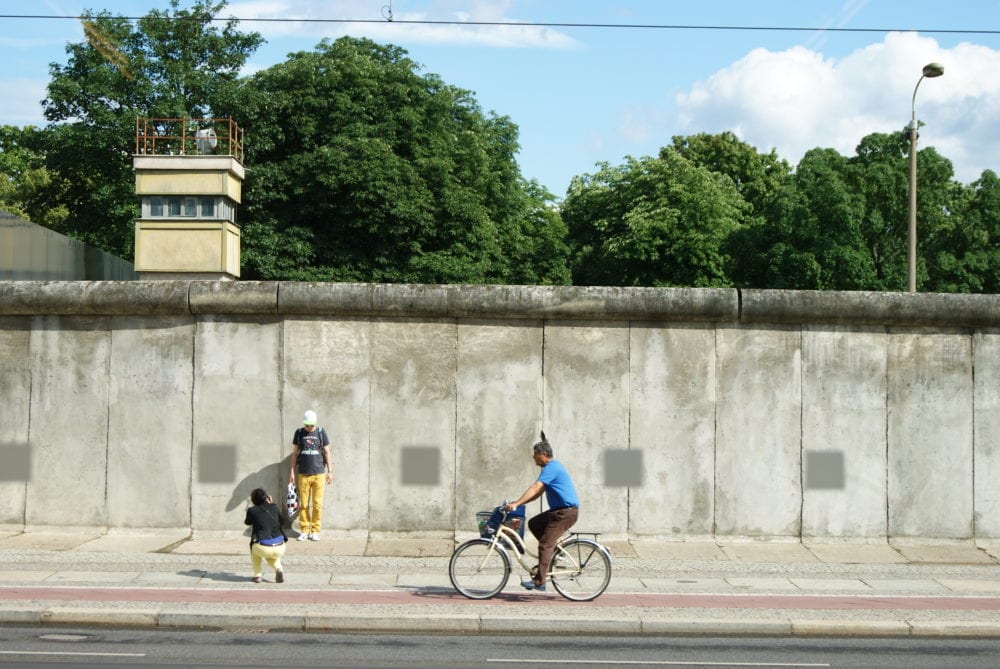
Visiting Bernauer Strasse: What to Expect
The memorial at Bernauer Straße is one of the most complete surviving sections of the Berlin Wall.
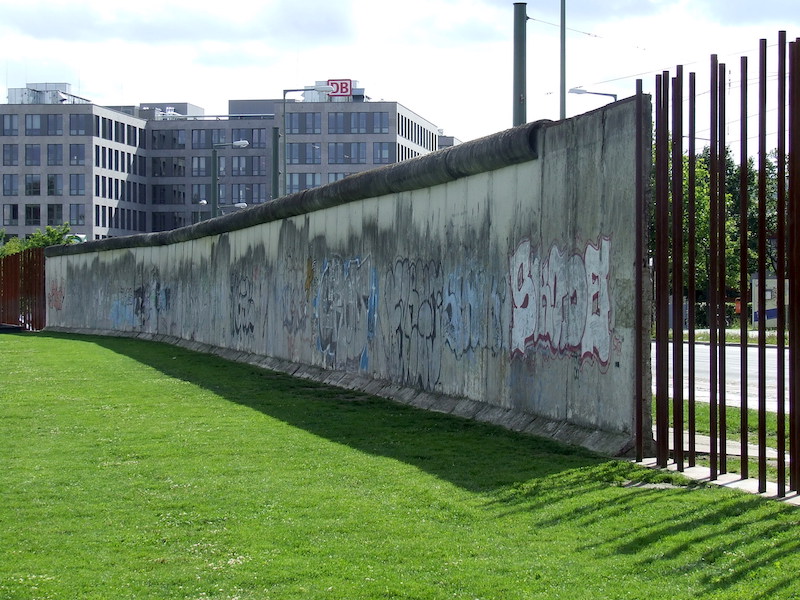
Highlights include:
The preserved “death strip”
Viewing platforms overlooking the wall remains
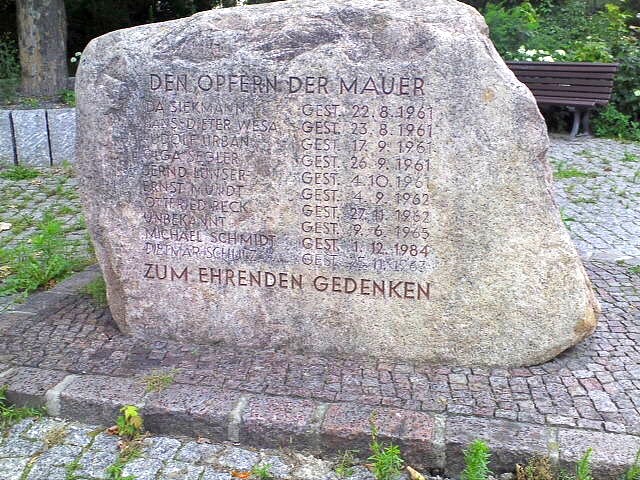
Memorials to those who lost their lives trying to escape
It’s a deeply moving site that brings personal stories from the Cold War to life.
Everything you need to know about Berlin in our Berlin Travel Guide here 👇
Travel Tips for Visiting the Berlin Wall Memorial
Nearest stations: Nordbahnhof (S-Bahn) & Bernauer Straße (U-Bahn)
Entry: Free
Time needed: 1–2 hours
Best time to visit: Early morning or late afternoon for fewer crowds
Other Berlin Wall Escape Stories
Schumann’s leap is just one of many incredible escape attempts during the Cold War.
Other methods included:
Tunnels dug beneath the wall
Hot air balloon escapes
Hidden compartments in vehicles
You can explore these stories in detail at the Documentation Centre within the memorial.
Why This Story Still Matters Today
The image of Konrad Schumann mid-air remains one of the most enduring symbols of freedom. Standing on Bernauer Straße, it’s easy to imagine that fleeting moment in 1961 that became part of global history. It’s not just a photo, it’s a reminder of the human cost of division and the enduring desire for freedom.
FAQs About Konrad Schumann & the Berlin Wall
Who was Konrad Schumann?
An East German border guard who defected to West Berlin by jumping over barbed wire in 1961.
Where did Konrad Schumann jump the Berlin Wall?
On Bernauer Straße, now part of the Berlin Wall Memorial.
Can you visit the wall jumper site today?
Yes, the site is preserved and open to visitors as part of the memorial.
Why is the photo so famous?
It captured the exact moment of defection, symbolising Cold War tensions and the universal desire for freedom.
Where is the Wall Jumper Sculpture?
The sculpture is located at the 143 Brunnenstrasse, just off BernauerStrasse.
Interactive Berlin Wall Map
Find out where the Wall Jumper Memorial is and other Bernauer Strasse sights.